Calories in Dairy Products
Milk, yogurt, cream, butter, and more. Full calorie data for every dairy product, straight from the USDA database. Look up calories per 100g or per serving in metric or imperial.
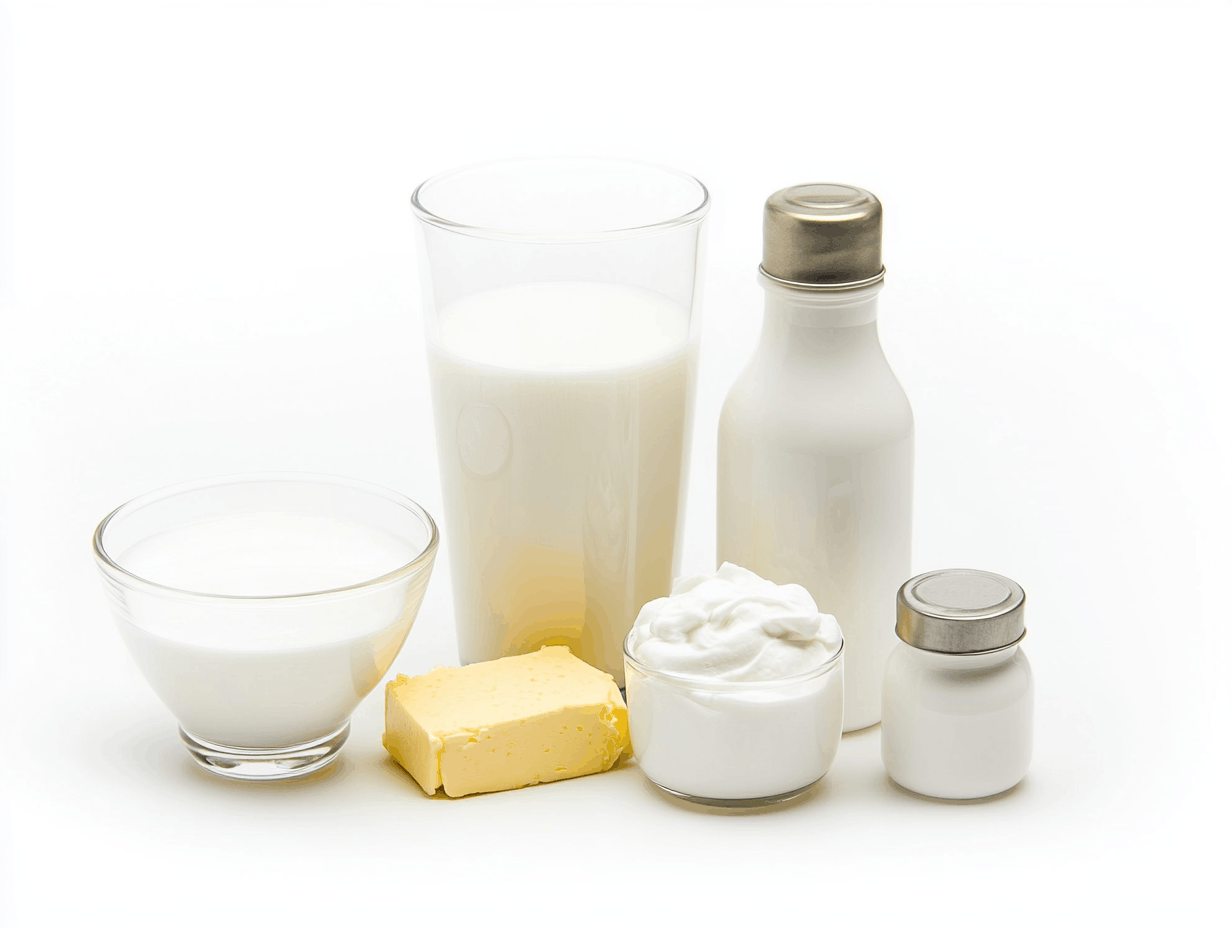
Milk, yogurt, cream, butter, and more. Full calorie data for every dairy product, straight from the USDA database. Look up calories per 100g or per serving in metric or imperial.
| Food | Serving | Calories |
|---|---|---|
| Whole Milk (3.25% fat) | 1 cup (244ml) | 61 Cal |
| Semi-Skimmed Milk (2% fat) | 1 cup (244ml) | 50 Cal |
| Skimmed Milk (0.1% fat) | 1 cup (244ml) | 34 Cal |
| Yogurt, Plain, Whole Milk | 6 oz (170g) | 61 Cal |
| Yogurt, Plain, Low-Fat | 6 oz (170g) | 63 Cal |
| Greek Yogurt, Plain, Non-Fat | 6 oz (170g) | 59 Cal |
| Greek Yogurt, Plain, Whole Milk | 6 oz (170g) | 97 Cal |
| Heavy Whipping Cream | 1 tbsp (15ml) | 340 Cal |
| Single Cream (18% fat) | 2 tbsp (30ml) | 195 Cal |
| Sour Cream | 2 tbsp (28g) | 193 Cal |
| Crème Fraîche | 2 tbsp (28g) | 292 Cal |
| Butter, Salted | 1 tbsp (14g) | 717 Cal |
| Butter, Unsalted | 1 tbsp (14g) | 717 Cal |
| Buttermilk, Low-Fat | 1 cup (245ml) | 40 Cal |
| Condensed Milk, Sweetened | 2 tbsp (38g) | 321 Cal |
| Evaporated Milk, Whole | 2 tbsp (31g) | 135 Cal |
| Skimmed Milk Powder | 4 tbsp (32g) | 357 Cal |
| Whipped Cream (from can) | 2 tbsp (8g) | 257 Cal |
| Kefir, Plain | 1 cup (240ml) | 52 Cal |
| Chocolate Milk, Whole | 1 cup (244ml) | 83 Cal |
| Ice Cream, Vanilla | 1/2 cup (66g) | 207 Cal |
| Clotted Cream | 1 tbsp (15g) | 439 Cal |
| Oat Milk, Unsweetened | 1 cup (240ml) | 46 Cal |
| Almond Milk, Unsweetened | 1 cup (240ml) | 15 Cal |
| Soy Milk, Unsweetened | 1 cup (243ml) | 33 Cal |
| Custard, Vanilla | 1/2 cup (141g) | 122 Cal |
| Whole Milk Powder | 4 tbsp (32g) | 496 Cal |
Data source: USDA FoodData Central. Values are approximate and may vary by brand, fat content, and processing method.
Dairy products span an extraordinary calorie range — from just 15 calories per 100ml for unsweetened almond milk to 717 calories per 100g for butter. This range reflects the vast differences in fat content: skimmed milk is almost entirely water and protein, while butter is nearly pure fat. Understanding where different dairy products sit on this spectrum helps you make informed choices without eliminating foods you enjoy.
The fat content of dairy products is the primary driver of their calorie count. Whole milk (3.3g fat per 100ml) has nearly twice the calories of skimmed milk (0.1g fat per 100ml). Heavy cream (36g fat per 100ml) has over ten times the calories of skimmed milk. When tracking dairy calories, paying attention to fat percentage on the label is the fastest way to estimate calorie content before even looking at the nutrition information.
Protein is where dairy products genuinely stand out. Non-fat Greek yogurt delivers 10.2g of protein per 100g at just 59 calories — a protein-to-calorie ratio that rivals chicken breast. Skimmed milk powder provides 35.6g of protein per 100g, making it a popular and affordable protein supplement. Even regular milk provides around 3.2g of protein per 100ml, which adds up meaningfully across a day's consumption.
Switching from whole milk to skimmed milk saves approximately 27 calories per 100ml. Across a cup of milk used in coffee throughout the day, this might save 20 to 50 calories depending on how much milk you use. Switching from whole milk Greek yogurt to non-fat Greek yogurt saves around 38 calories per 100g but maintains similar protein levels. For butter, switching to light or reduced-fat versions can save 50 to 80 calories per tablespoon. These swaps can add up to meaningful calorie savings without dramatically changing the eating experience.
Browse calories and macros across all food groups in our USDA-backed nutrition database.
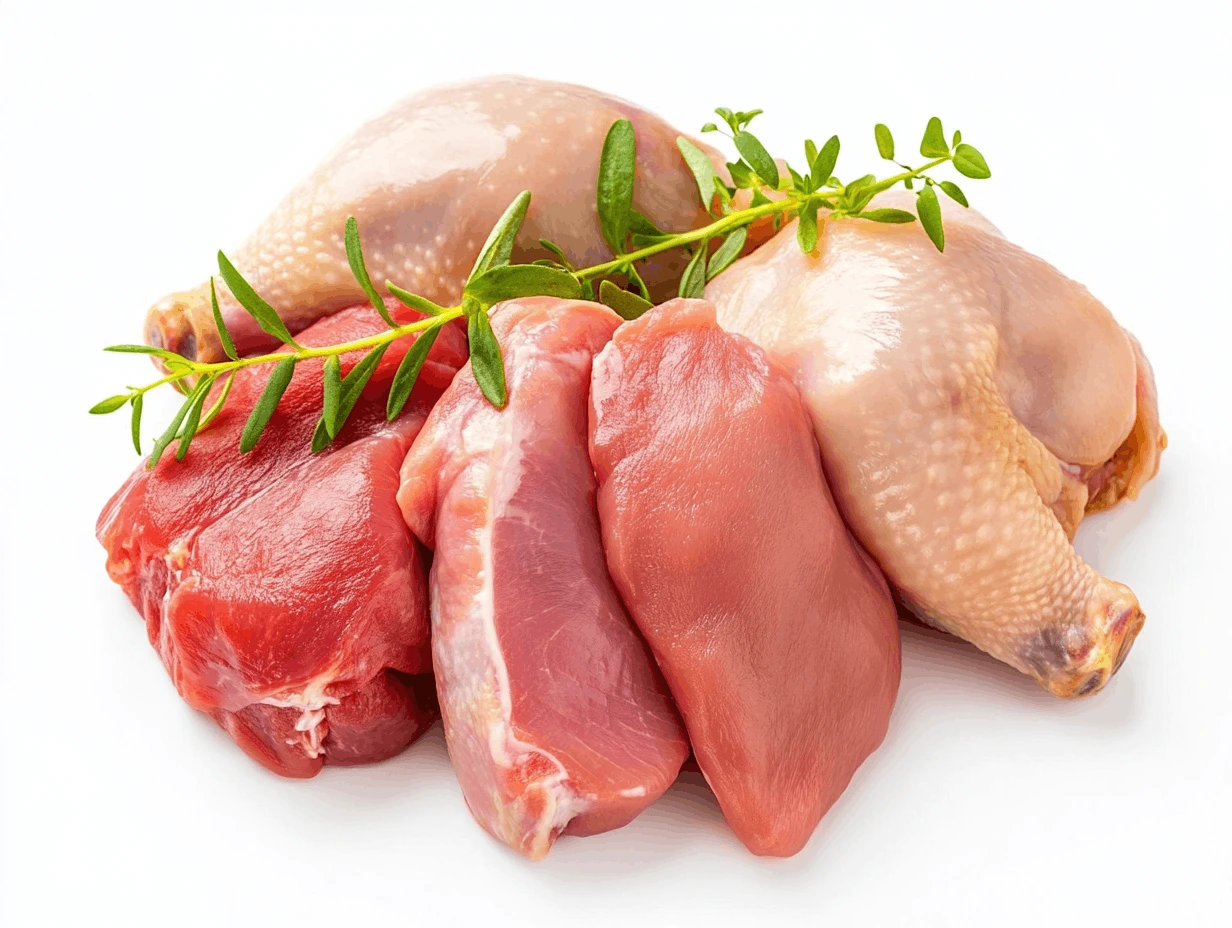
Chicken, turkey, duck, and more. Full nutritional data for every cut. Compare calories and protein across lean and fatty poultry options.
See calories for poultry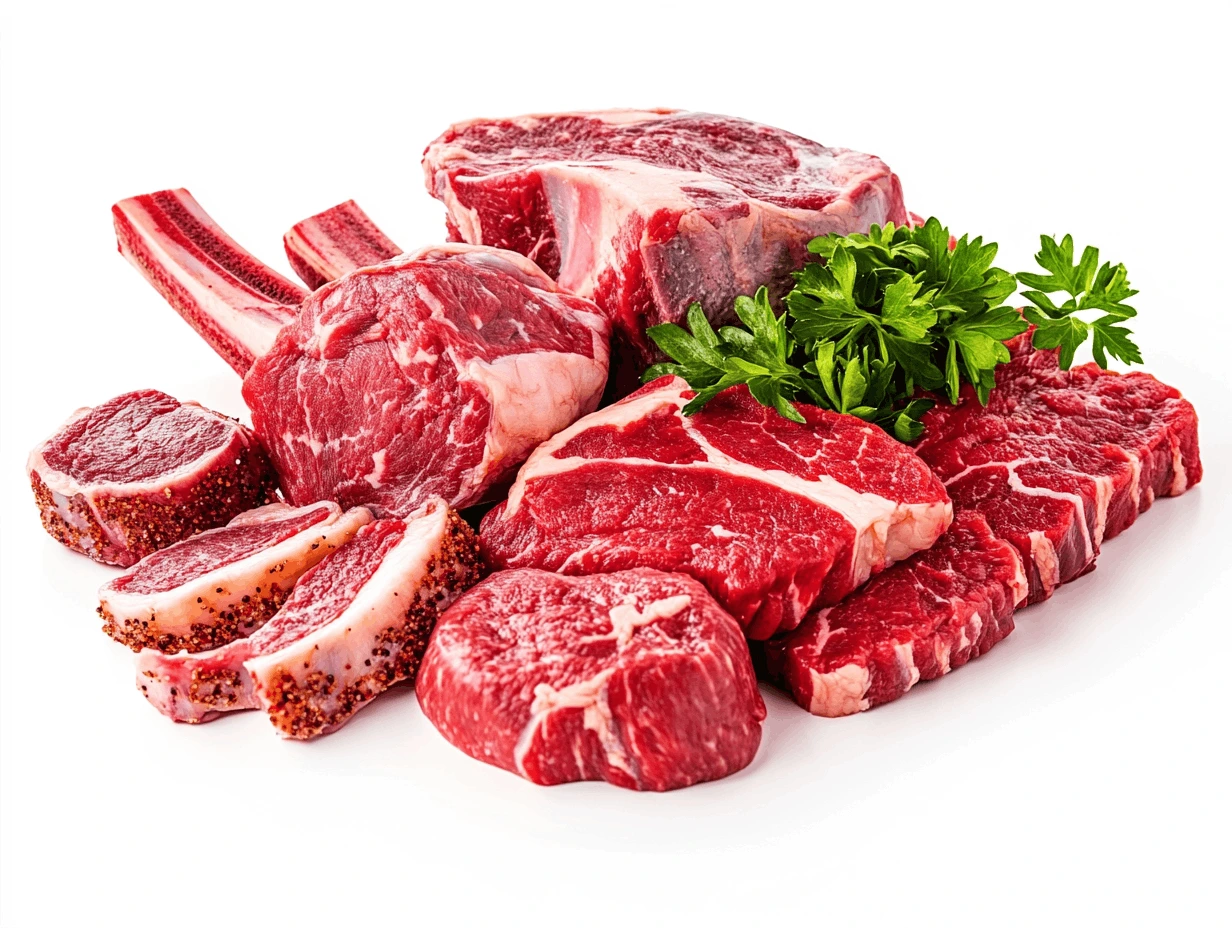
From lean ground beef to richly marbled ribeye, explore calorie data for every beef cut. Compare raw and cooked values for accurate tracking.
See calories for beef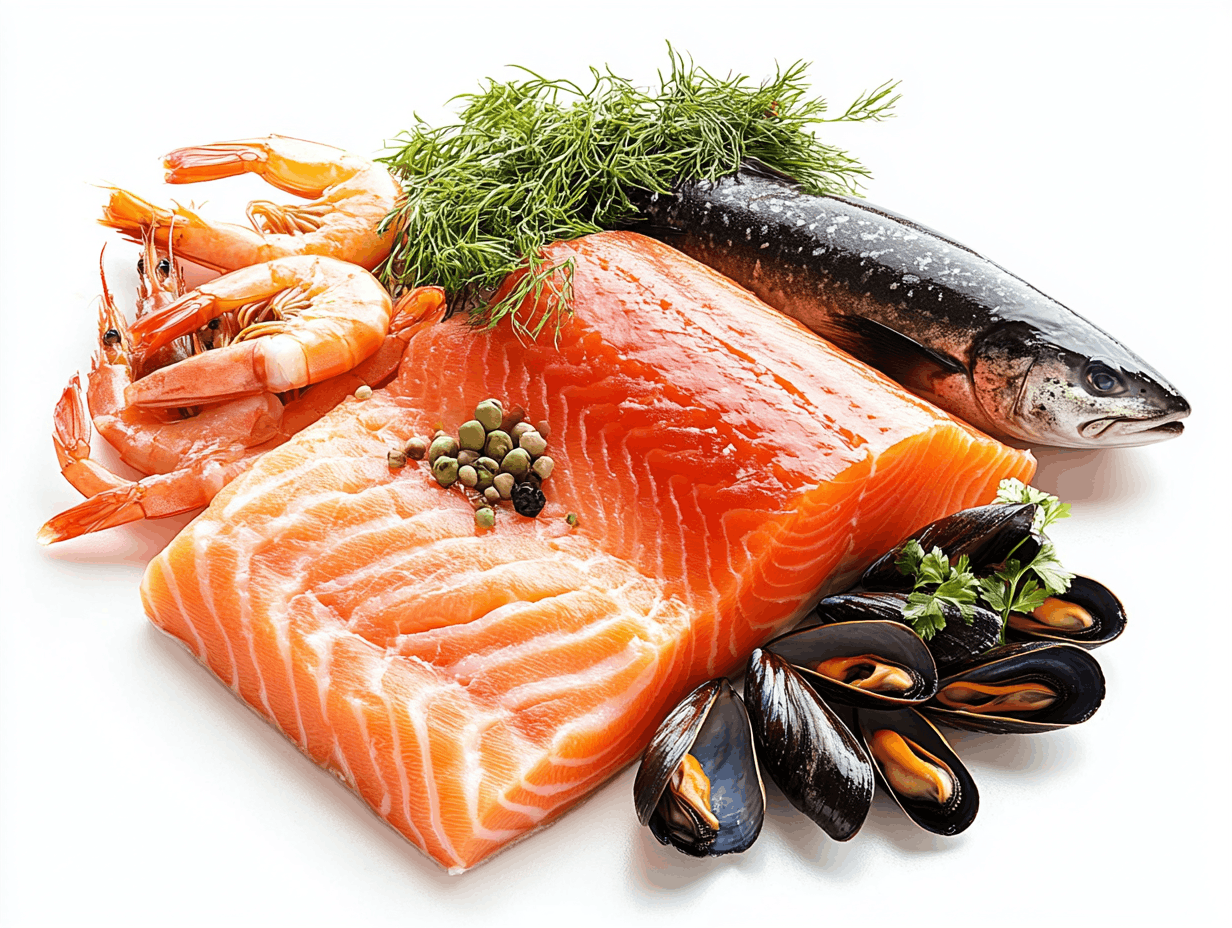
Salmon, tuna, cod, shrimp, and more. Full calorie data for every fish and seafood type, raw and cooked, straight from the USDA database.
See calories for fish & seafood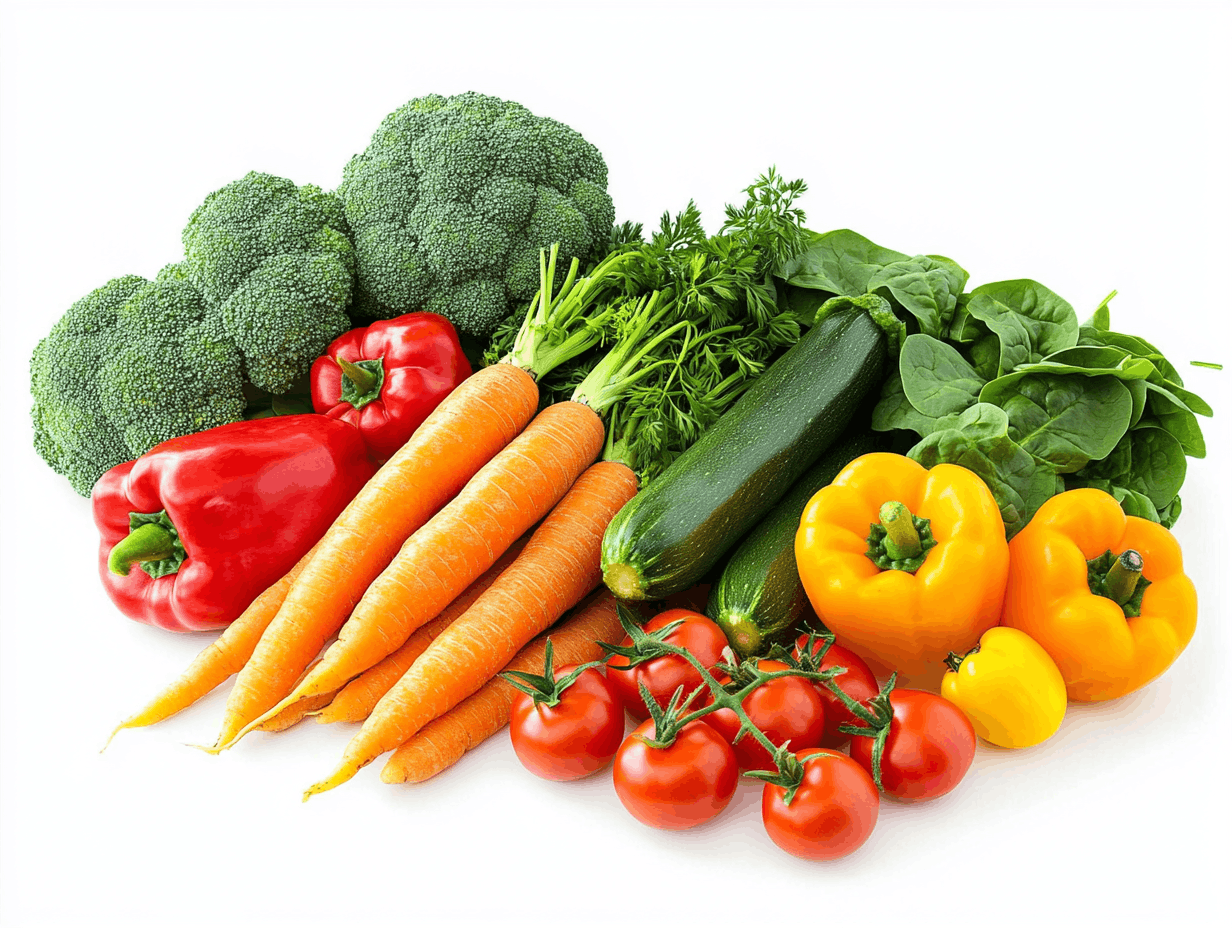
From leafy greens to root vegetables, explore calorie data for every vegetable. Compare raw and cooked values across broccoli, spinach, sweet potato, and more.
See calories for vegetables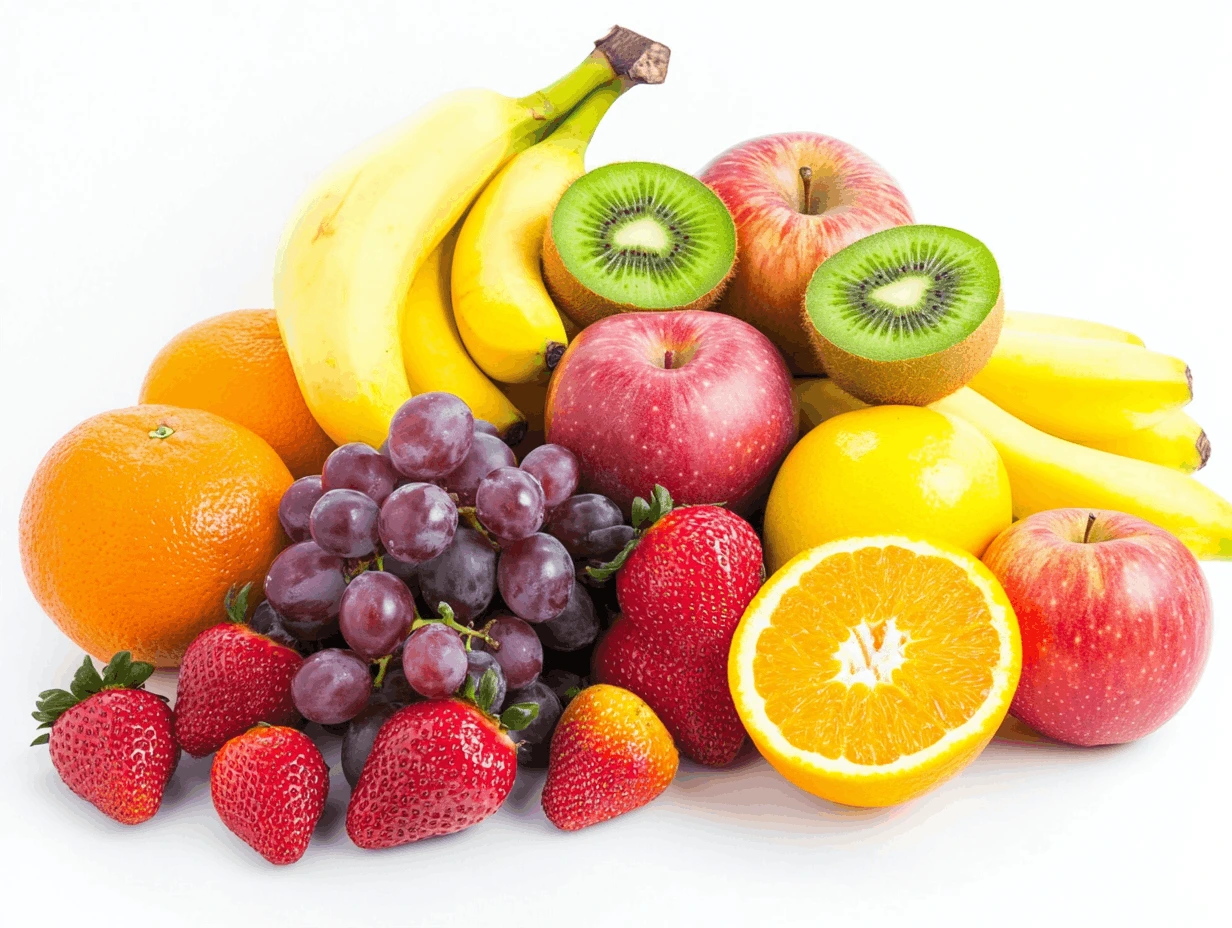
From berries to tropical fruits, get full calorie data for every fresh and dried fruit. Compare low-sugar options and track portions with ease.
See calories for fruits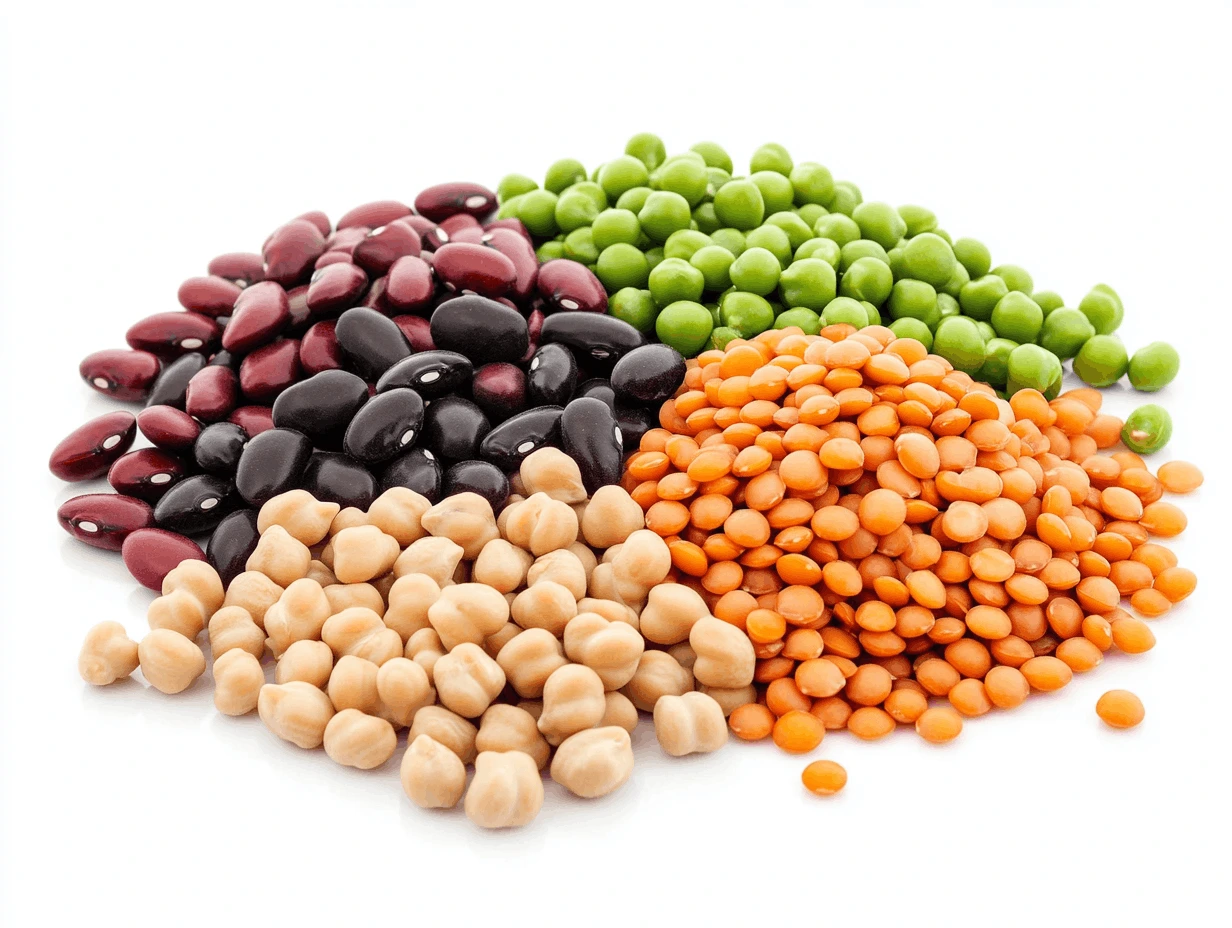
Beans, lentils, and chickpeas pack serious protein and fiber. Compare calories and macros across varieties to find the best plant-based protein sources.
See calories for legumes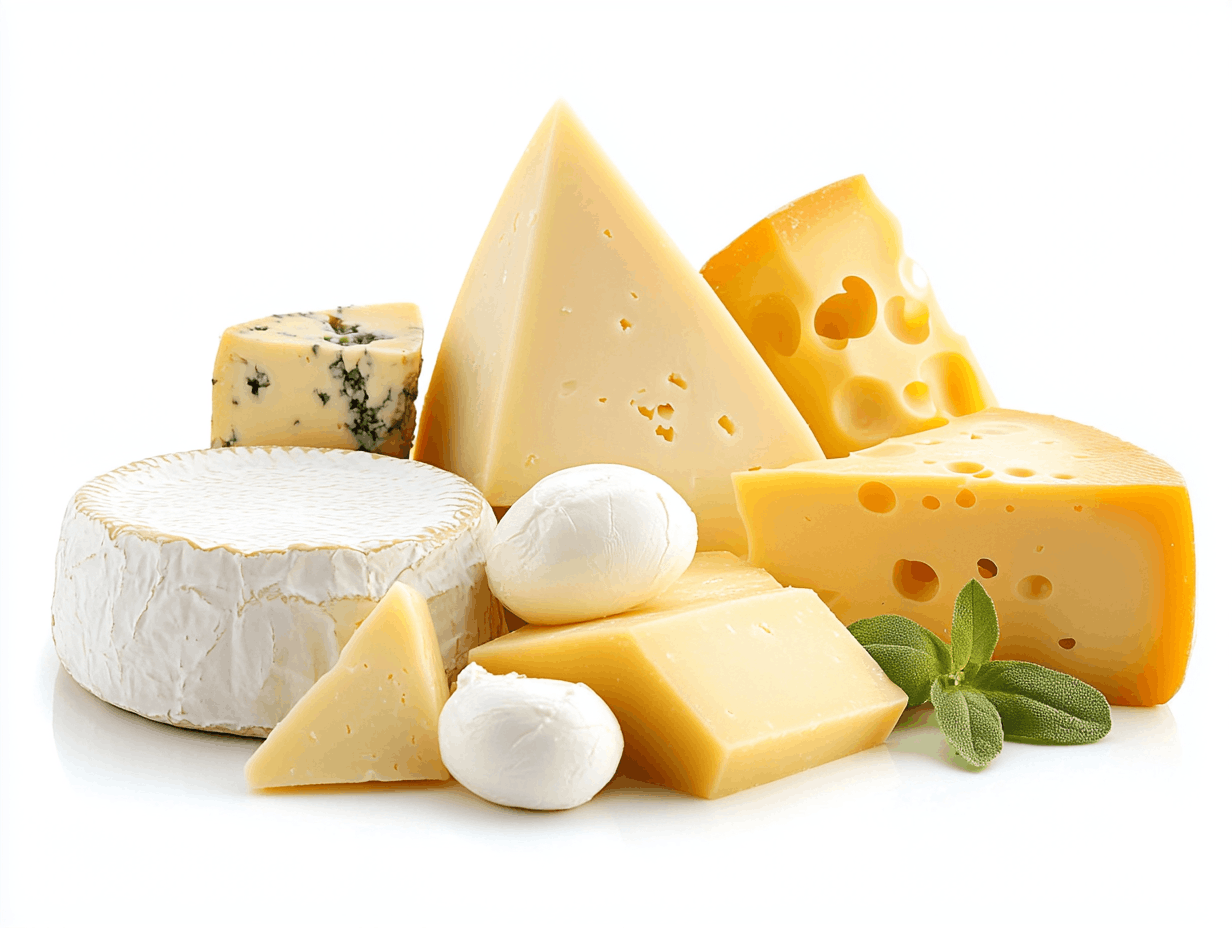
From fresh mozzarella to aged parmesan, cheese is rich in protein, fat, and calcium. Compare calories across varieties and track portions by slice or gram.
See calories for cheese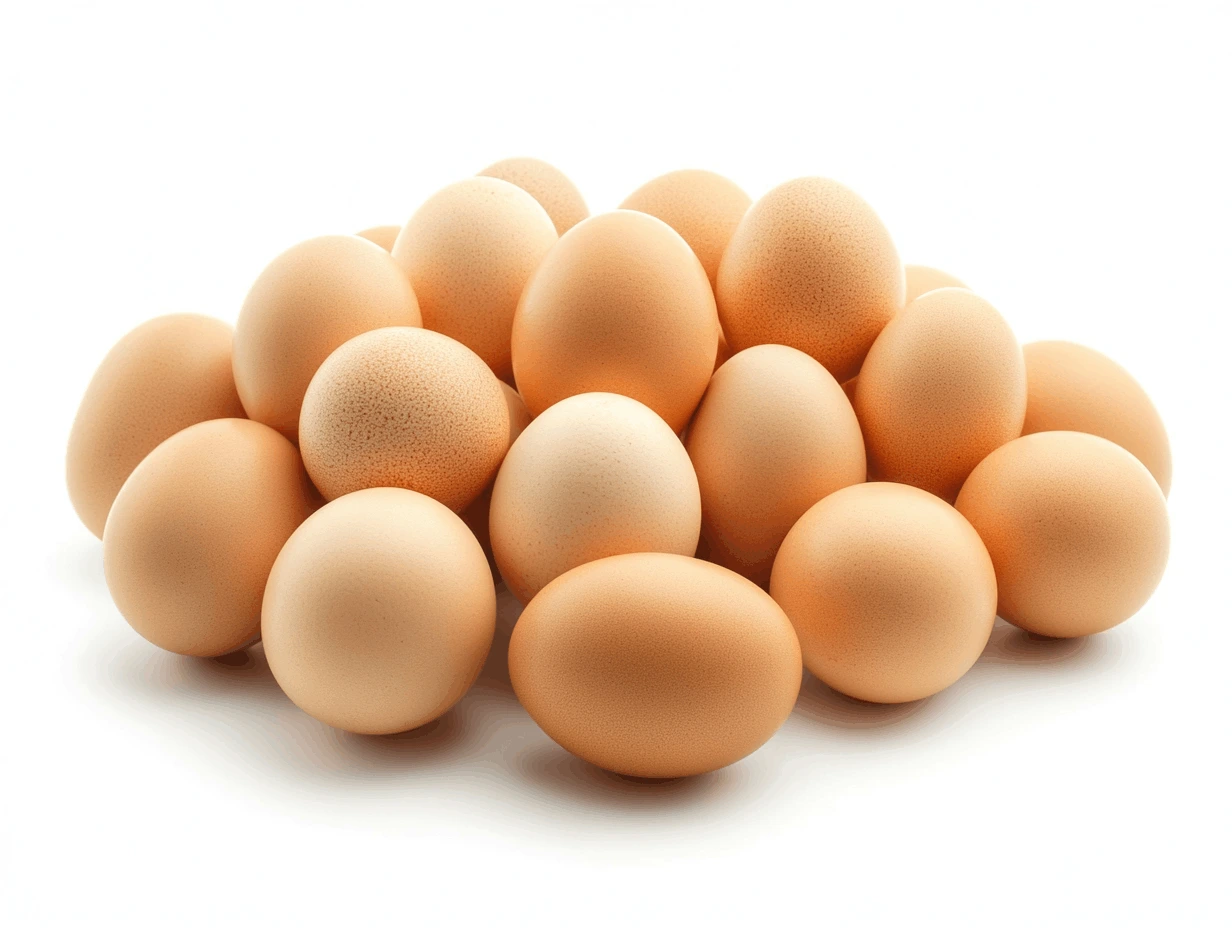
A complete protein source with essential amino acids, vitamins, and healthy fats. Track calories by whole egg, white, or yolk across different preparation methods.
See calories for eggs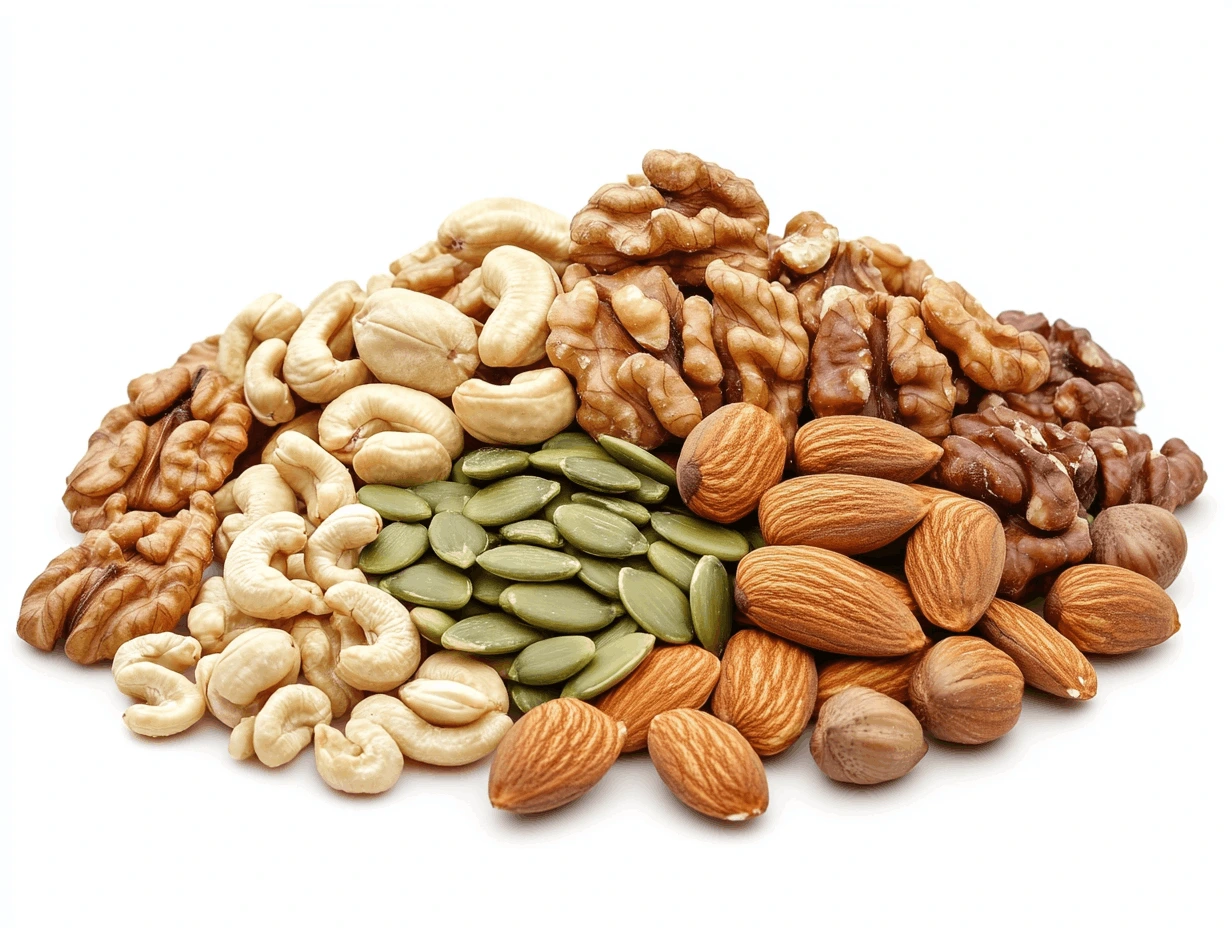
Calorie-dense and rich in healthy fats, nuts and seeds make every gram count. Compare protein, fat, and carb content across varieties to optimize snacking.
See calories for nuts & seedsGet the numbers that actually matter for your health. From body composition to daily calorie targets, our calculators give you a clear, personalized starting point. No account needed.
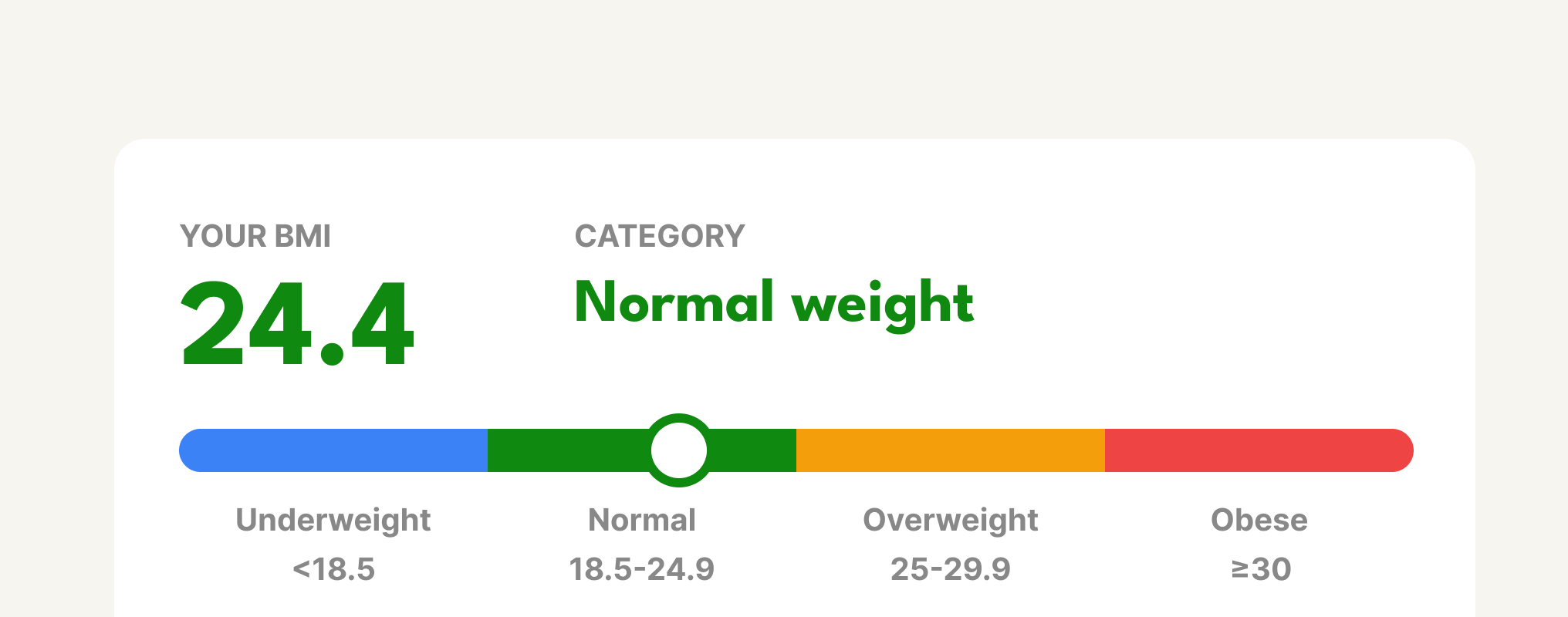
Find out if your weight is in a healthy range for your height. A quick first step to understanding your body and setting realistic health goals.
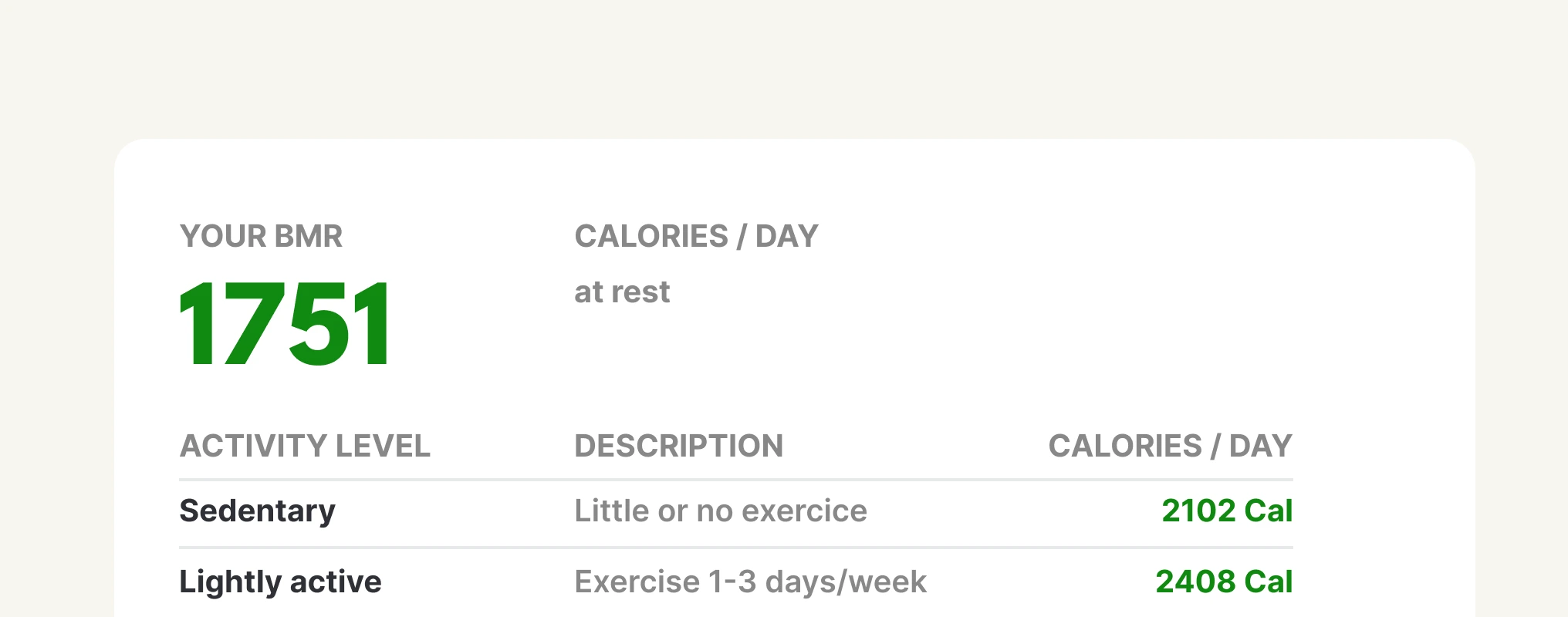
Discover how many calories your body burns at complete rest. Your BMR is the foundation of any smart nutrition or weight management plan.
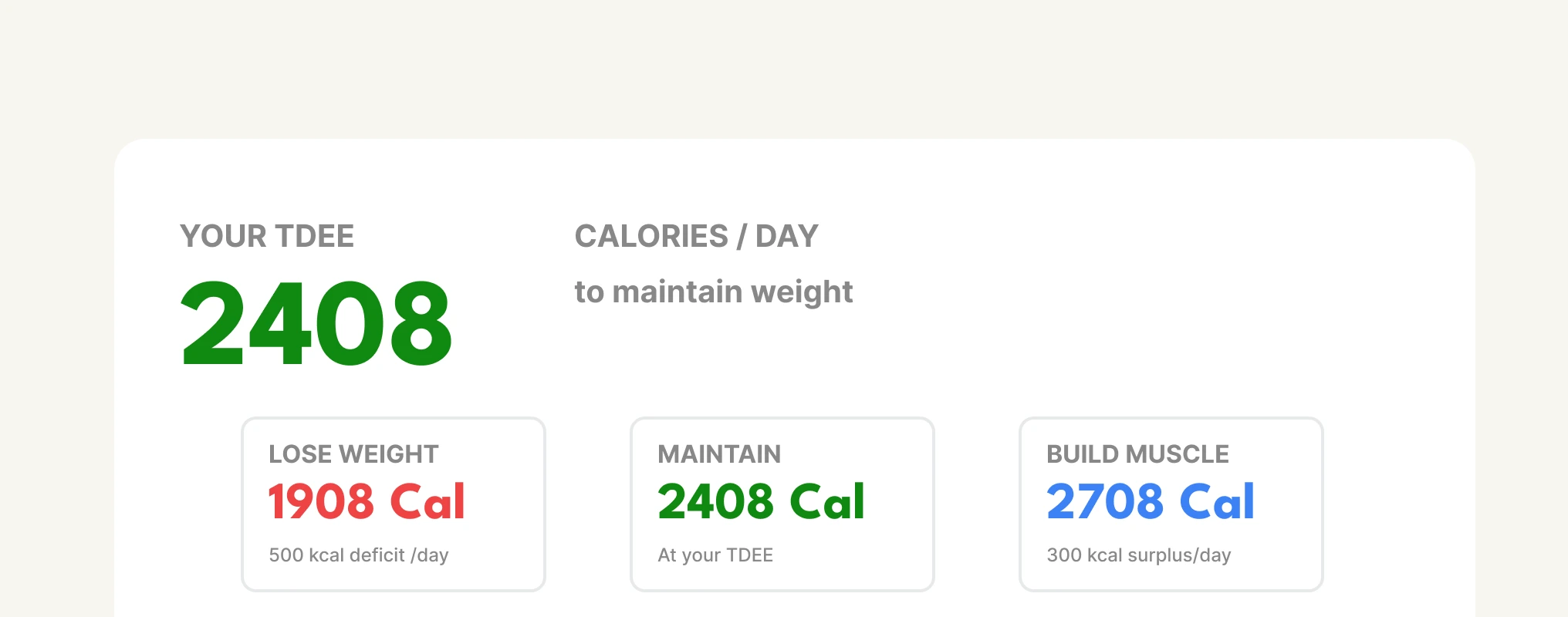
Get the exact number of calories your body needs based on your weight, height, age, and activity level.
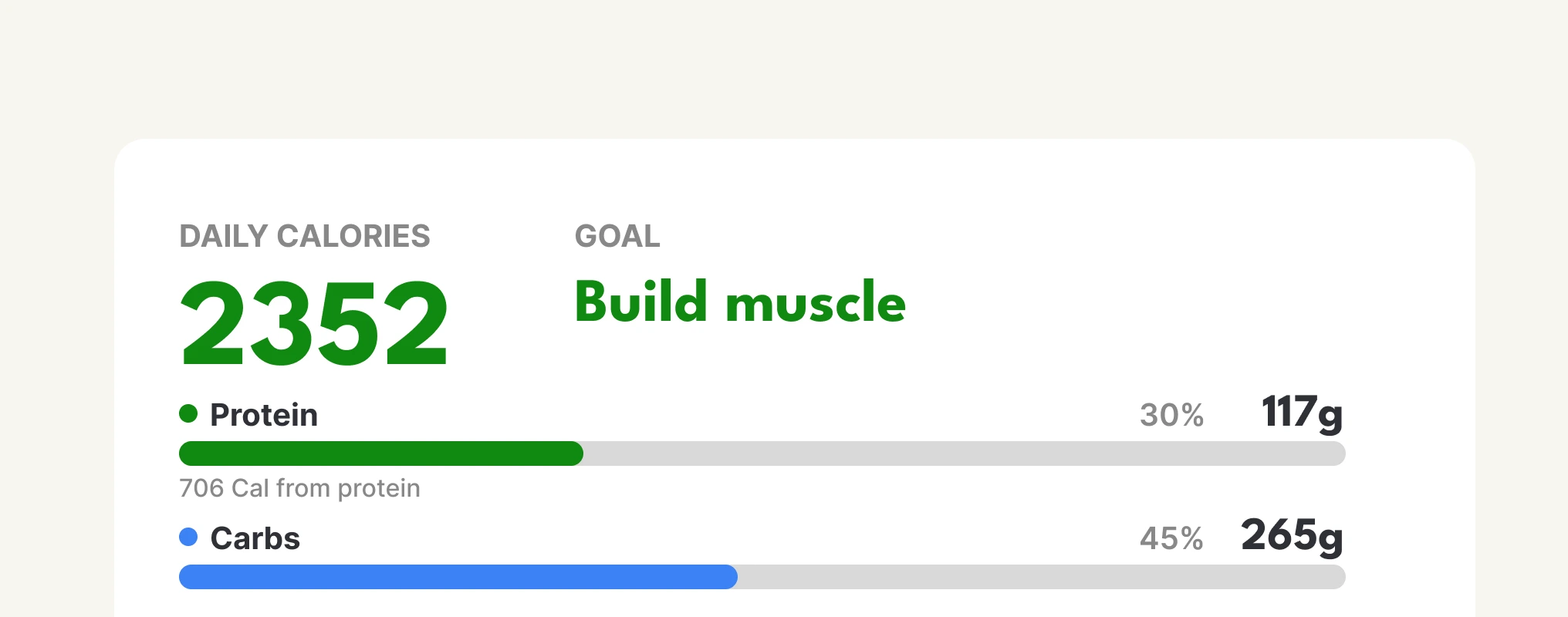
Find your ideal protein, carb, and fat targets based on your goals. Whether you're cutting, bulking, or maintaining, get a macro split tailored to you.
Whole milk (3.25% fat) contains approximately 61 calories per 100ml with 3.2g of protein, 4.8g of carbohydrates, and 3.3g of fat. A standard 1 cup (244ml) serving contains approximately 149 calories with 8g of protein. Whole milk provides a good balance of macros along with calcium, vitamin D, and B vitamins. The fat content includes beneficial fatty acids like conjugated linoleic acid (CLA).
Non-fat plain Greek yogurt contains approximately 59 calories per 100g with 10.2g of protein and just 0.4g of fat. A 6oz (170g) serving contains approximately 100 calories with 17.3g of protein, making it one of the highest protein dairy foods per calorie. Whole milk Greek yogurt is higher at around 97 calories per 100g. Always choose plain varieties — flavoured versions often contain 20 to 30g of added sugar per serving.
Butter contains approximately 717 calories per 100g with 81.1g of fat. A standard tablespoon (14g) of butter contains approximately 100 calories. Both salted and unsalted butter have identical calorie counts — the only difference is sodium. Despite its high calorie density, butter is used as a flavouring and cooking fat, so typical portions are small but worth tracking accurately.
Skimmed milk is the lowest calorie dairy product at just 34 calories per 100ml with 3.4g of protein. Among plant-based alternatives, unsweetened almond milk is exceptionally low at just 15 calories per 100ml. Non-fat Greek yogurt provides only 59 calories per 100g while delivering 10.2g of protein, making it the most protein-efficient low-calorie dairy option.
Heavy whipping cream contains approximately 340 calories per 100ml with 36.1g of fat. A tablespoon (15ml) contains approximately 51 calories. Despite its high calorie density, impact depends heavily on portion size. Single cream at 195 calories per 100ml or sour cream at 193 calories per 100g are slightly lower alternatives for cooking.
Plain non-fat Greek yogurt is one of the best foods for weight loss. At 59 calories per 100g with 10.2g of protein, it has an outstanding protein-to-calorie ratio. High protein supports satiety, helps preserve muscle mass during calorie restriction, and increases the thermic effect of food. The key is choosing plain varieties — flavoured yogurts often contain significant added sugar that dramatically increases their calorie count.
Sweetened condensed milk contains approximately 321 calories per 100g with 54.4g of carbohydrates (mostly sugar). A 2-tablespoon (38g) serving contains approximately 122 calories. It is very high in sugar because water is removed and sugar is added during processing. A full standard can (397g) contains approximately 1,274 calories, making it an ingredient to track carefully in recipes.
Unsweetened oat milk contains approximately 46 calories per 100ml versus 61 for whole milk and 34 for skimmed milk. However, oat milk has significantly less protein at around 1g per 100ml versus 3.2 to 3.4g for cow's milk. Oat milk also has more carbohydrates at 8.1g per 100ml due to natural oat sugars. For protein, cow's milk is considerably superior; oat milk is a reasonable calorie-comparable alternative for those avoiding dairy.
Sour cream contains approximately 193 calories per 100g with 19.4g of fat. A 2-tablespoon (28g) serving contains approximately 54 calories. It is typically used as a condiment in small amounts. Crème fraîche is richer at around 292 calories per 100g. Light sour cream is available at around 136 calories per 100g for a lower-calorie alternative.
Standard vanilla ice cream contains approximately 207 calories per 100g with 11g of fat and 23.6g of carbohydrates. A typical half-cup (66g) serving contains approximately 137 calories. Premium varieties can be significantly higher. Adding mix-ins like chocolate chips or caramel can add 50 to 100 calories per serving. Low-fat and no-sugar-added versions are available but calorie savings vary by brand.
Skimmed milk powder is technically highest at 35.6g protein per 100g, but it is used as an ingredient. Non-fat Greek yogurt is the most practical high-protein dairy food at 10.2g per 100g. Low-fat plain yogurt provides 5.3g per 100g. Evaporated whole milk contains 6.8g per 100g. Regular milk provides around 3.2 to 3.3g per 100ml, making it a moderate protein source that adds up meaningfully across a day.
Unsweetened almond milk is just 15 calories per 100ml versus 61 for whole milk and 34 for skimmed milk. However, almond milk contains very little protein at just 0.6g per 100ml compared to 3.2 to 3.4g for cow's milk. It is an excellent low-calorie option for those who do not require the protein of cow's milk, but should not be relied upon as a protein source.
Plain low-fat kefir contains approximately 52 calories per 100ml with 3.8g of protein and 1.5g of fat. A 1 cup (240ml) serving contains approximately 125 calories with 9.1g of protein. Kefir provides probiotics alongside its nutritional content and has a similar profile to plain low-fat yogurt in drinkable form. Flavoured kefir is considerably higher in calories due to added sugar.
Full-fat dairy provides more calories but also more fat-soluble vitamins (A, D, E, K) and greater satiety. Low-fat and skimmed options provide fewer calories and less saturated fat, useful for tight calorie management. Current evidence does not strongly support the idea that full-fat dairy increases cardiovascular risk compared to processed alternatives. For most people, choosing based on calorie needs and personal preference is a reasonable approach.
Butter adds approximately 100 calories per tablespoon (14g). When sautéing or finishing a pan sauce, one to two tablespoons adds 100 to 200 calories. A thin spread on bread (5g) adds about 36 calories; a generous spread (14g) adds around 100 calories. In baking, butter is distributed across many servings. Tracking butter quantities precisely is one of the most impactful things you can do when logging cooking calories accurately.