Look up calories and macros for whole foods, with clear portions, reliable data sources, and instant portion conversions. From bananas to chicken and rice, get clean numbers without the noise of processed foods.
Explore Calories
Browse by category to compare calories and macros at a glance. Tables are built for quick decisions: clean names, consistent reference values, and a simple portion converter when you need an exact serving.
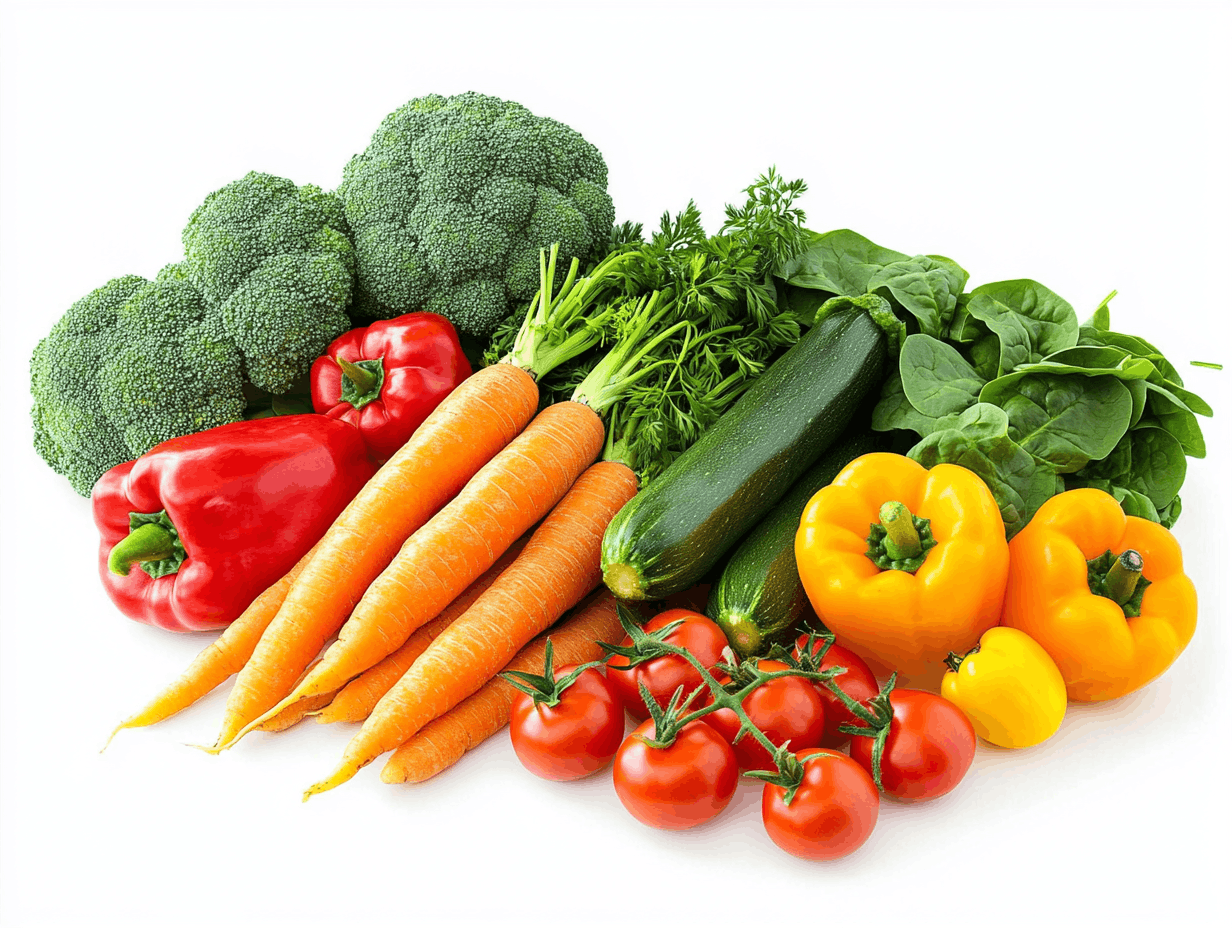
Low in calories, high in nutrients — vegetables are the backbone of any healthy diet. Browse by raw or cooked portions and track fiber, vitamins, and macros with ease.
See calories for vegetables
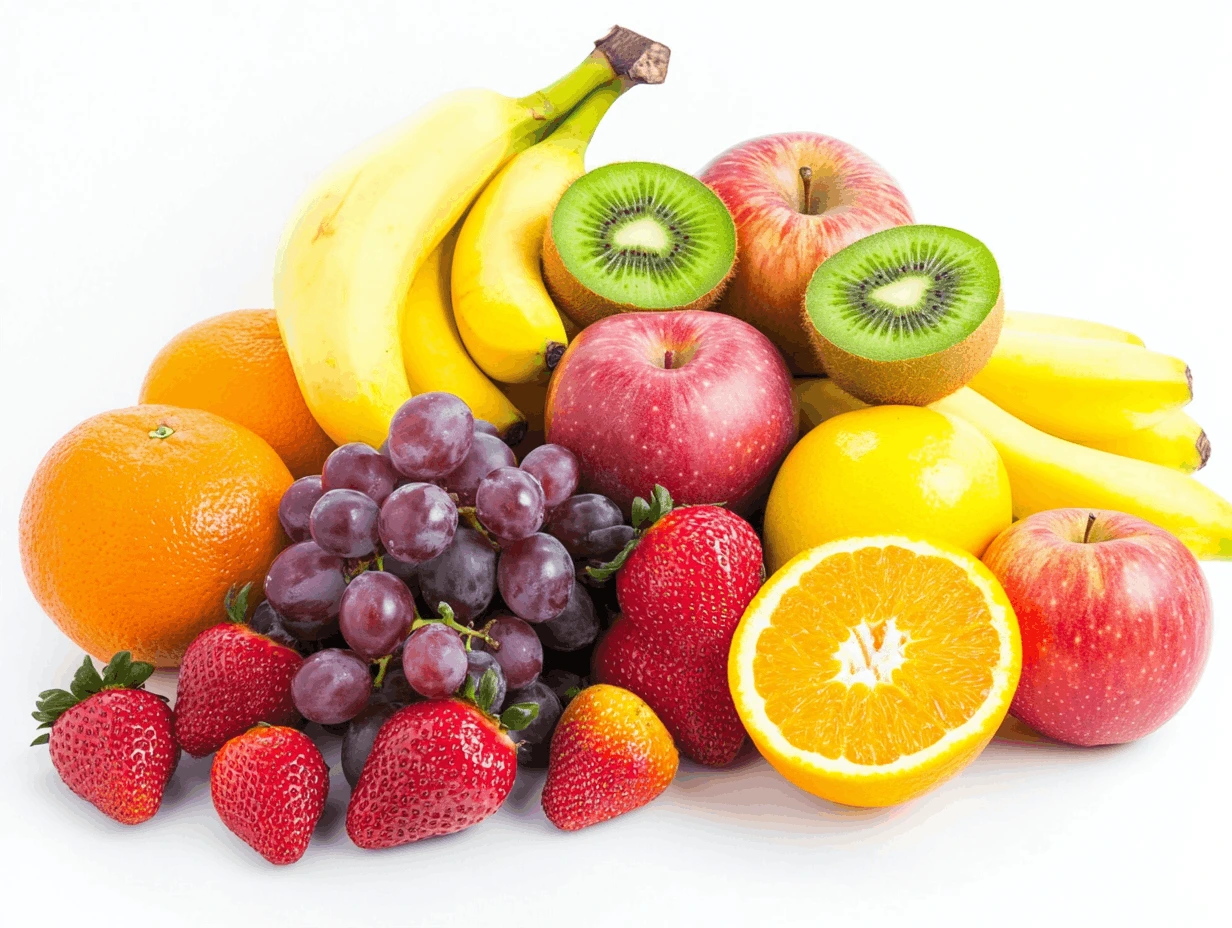
From berries to tropical fruits, explore calories, sugar, and fiber at a glance. Compare by piece or cup and see how natural sweetness fits into your daily macro goals.
See calories for fruits
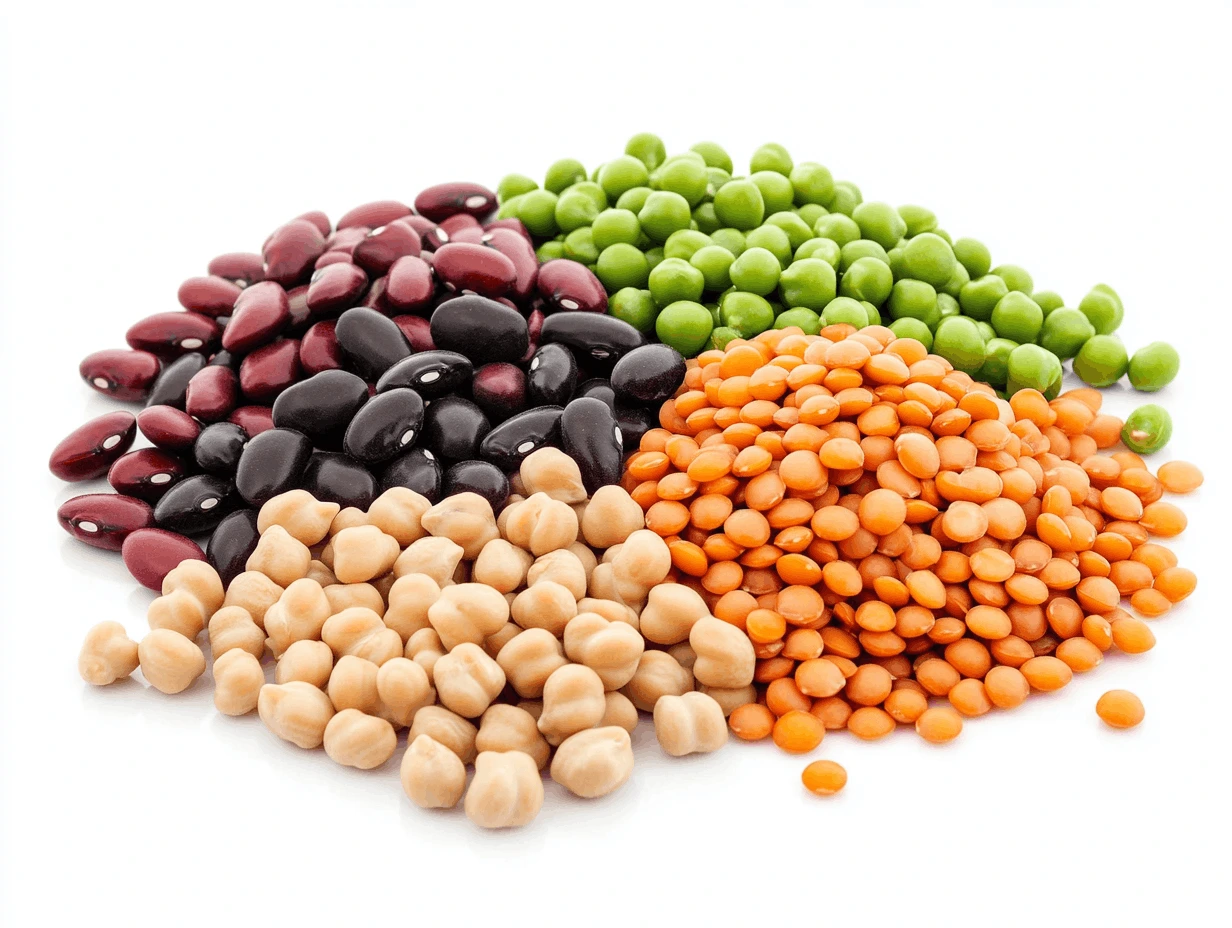
Beans, lentils, and chickpeas pack serious protein and fiber. Compare calories and macros across varieties to find the best plant-based protein sources for your meals.
See calories for legumes
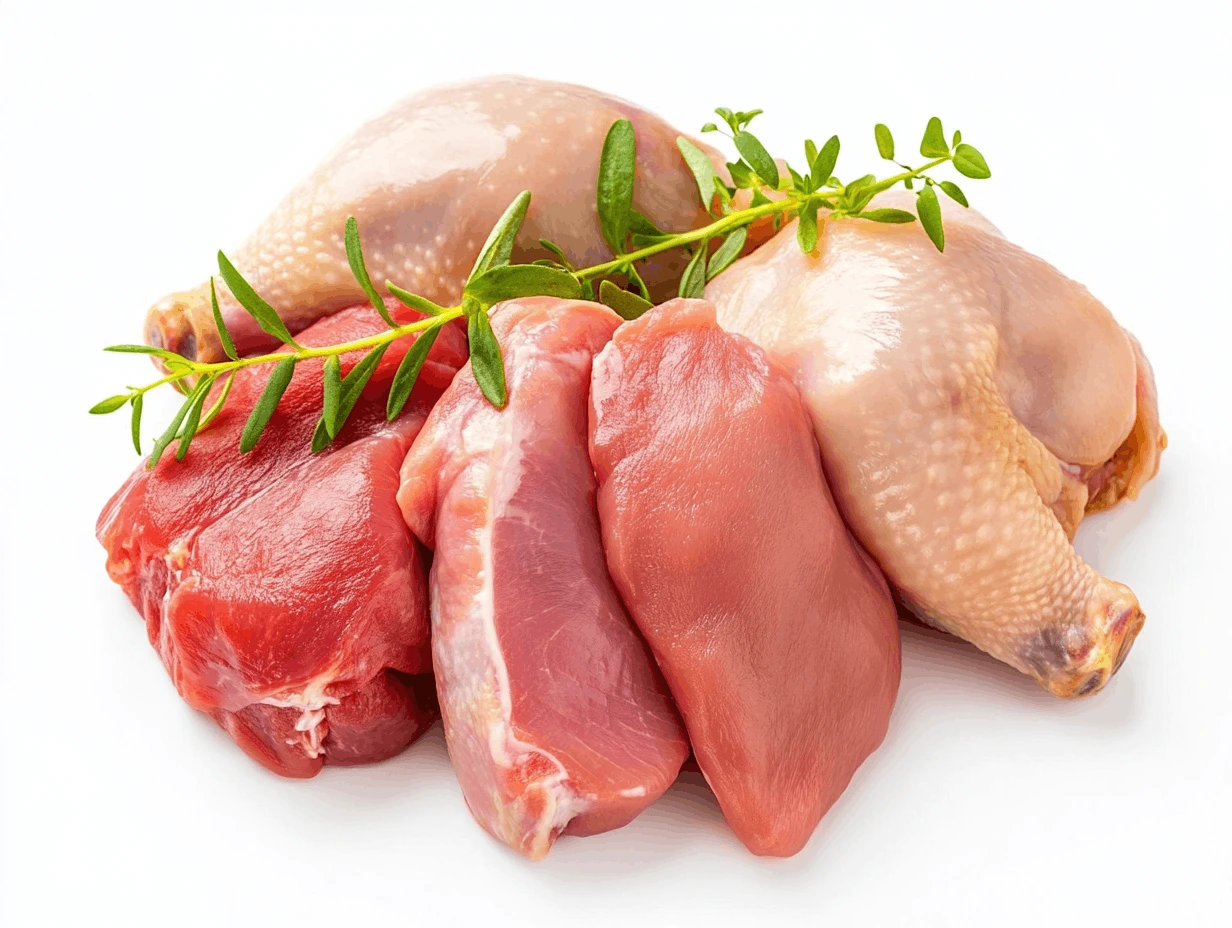
Chicken, turkey, and duck offer lean, high-quality protein for any diet. Compare cuts by breast, thigh, or wing and track calories across grilled, roasted, or raw portions.
See calories for poultry
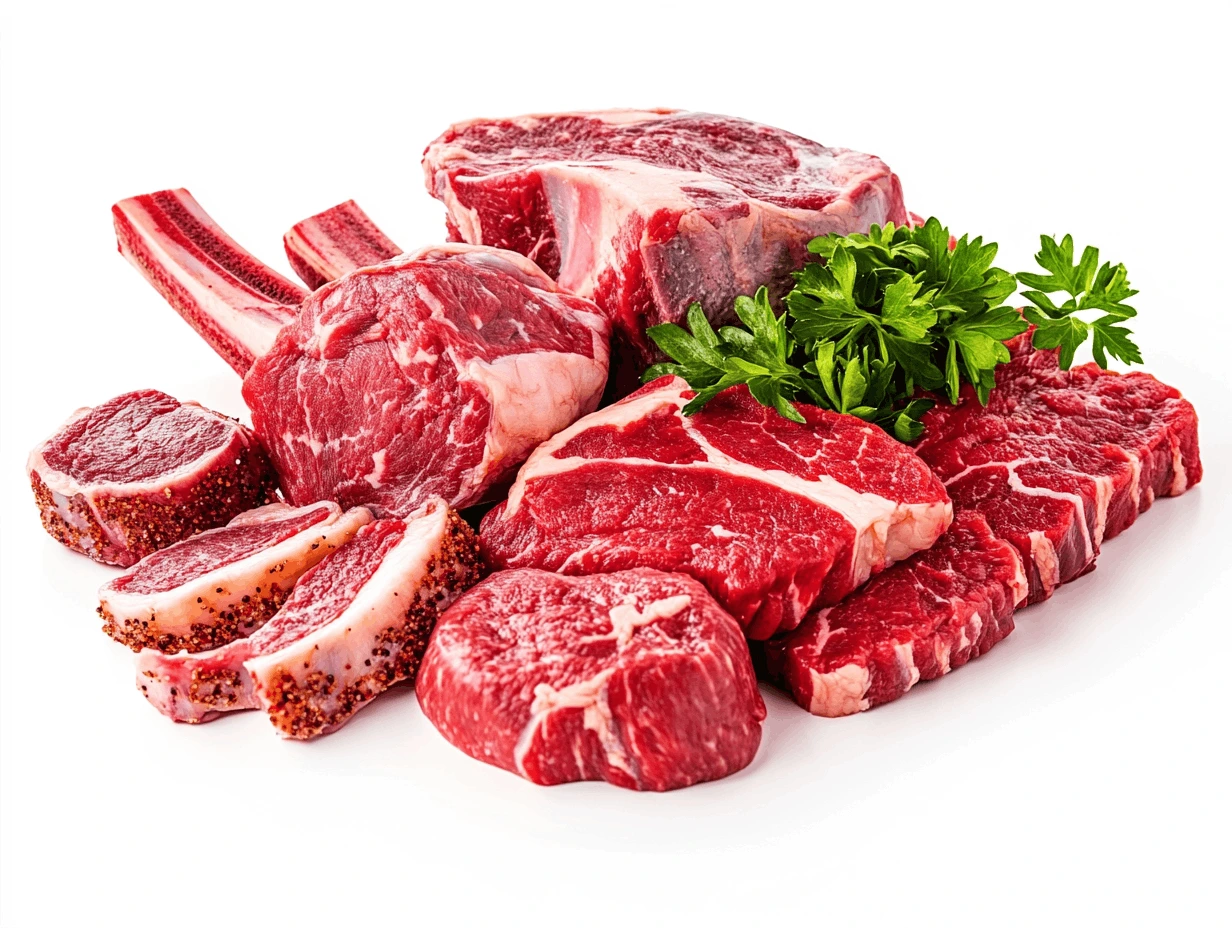
From ground beef to steak cuts, explore calories, protein, and fat across every variety. Compare lean vs. fatty cuts and track macros by raw or cooked weight with ease.
See calories for beef
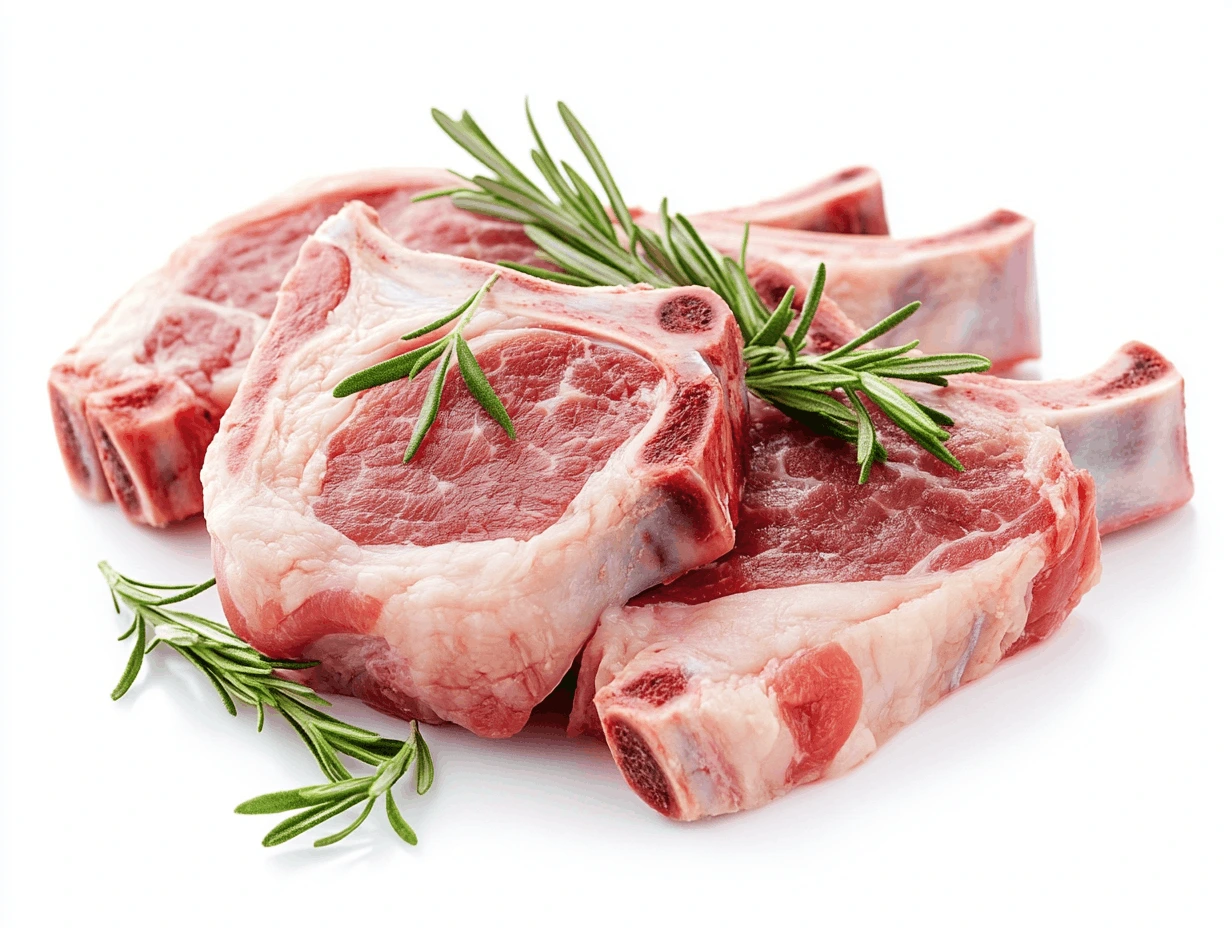
Pork offers versatile cuts from lean tenderloin to rich belly. Compare calories and macros across chops, ribs, and ground pork to make informed choices for your meals.
See calories for pork
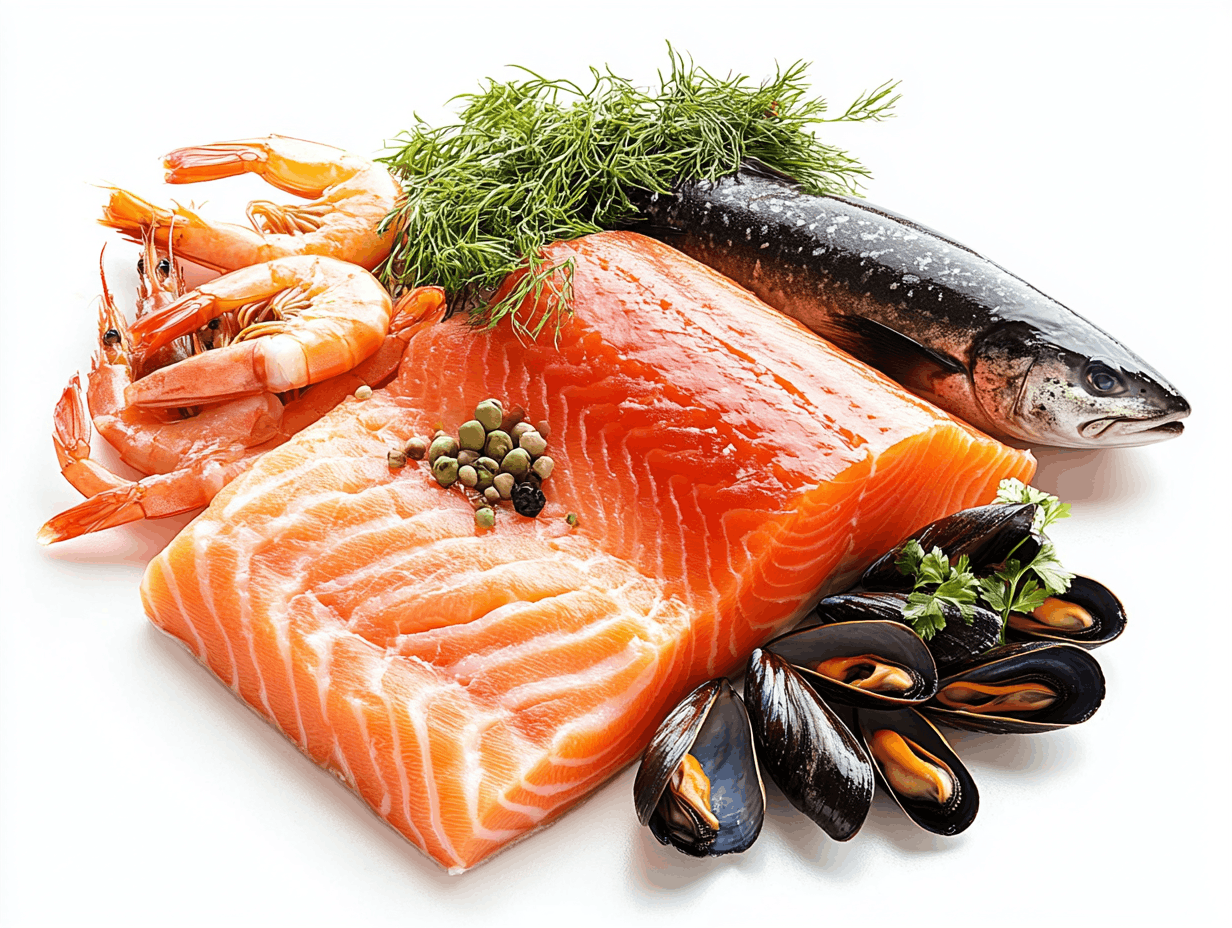
Rich in omega-3s and lean protein, fish and seafood are among the healthiest animal foods. Compare calories across salmon, tuna, shrimp, and more by fillet or serving.
See calories for fish & seafood
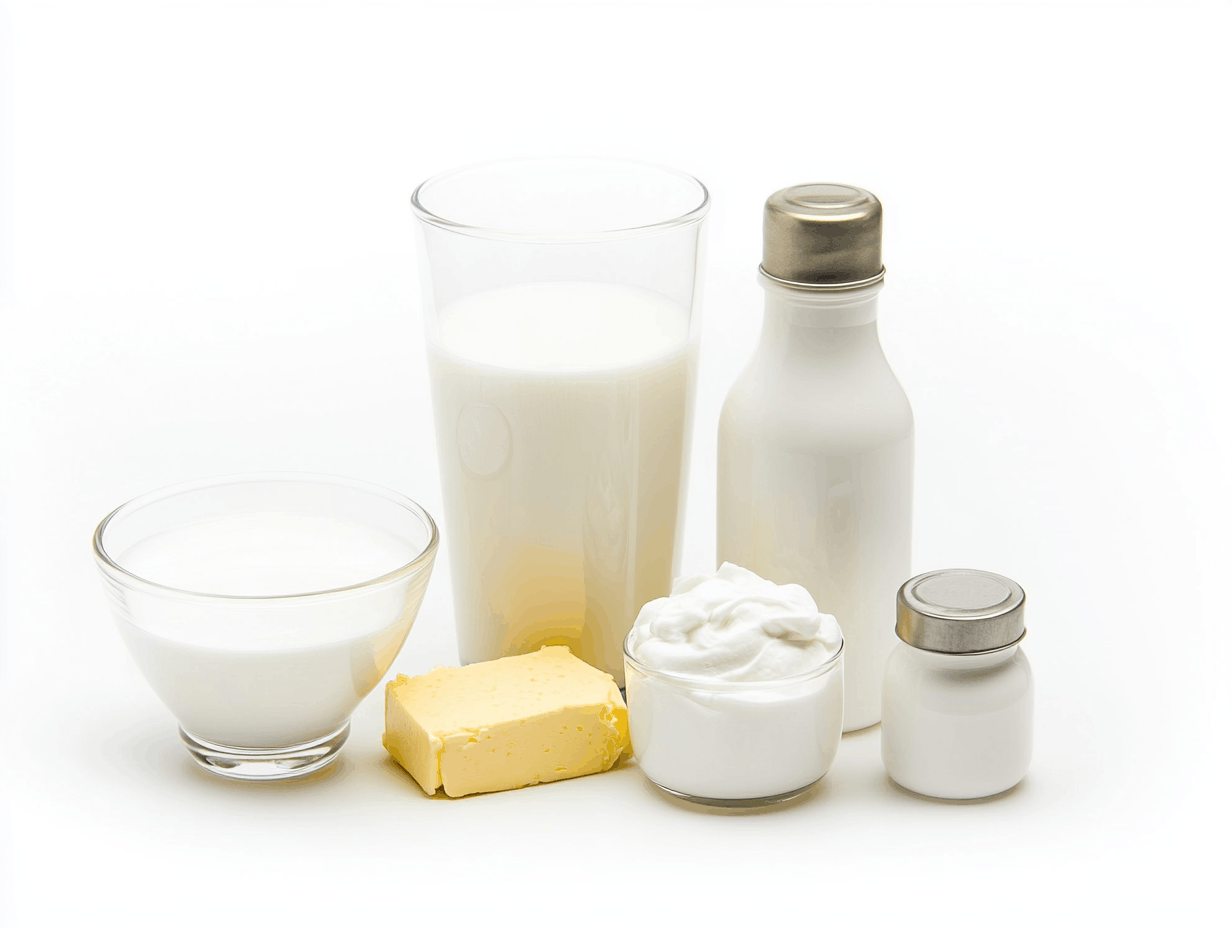
Milk, yogurt, and cream offer calcium and protein in every serving. Compare full-fat vs. low-fat options and track macros across your favorite dairy staples with ease.
See calories for dairy products
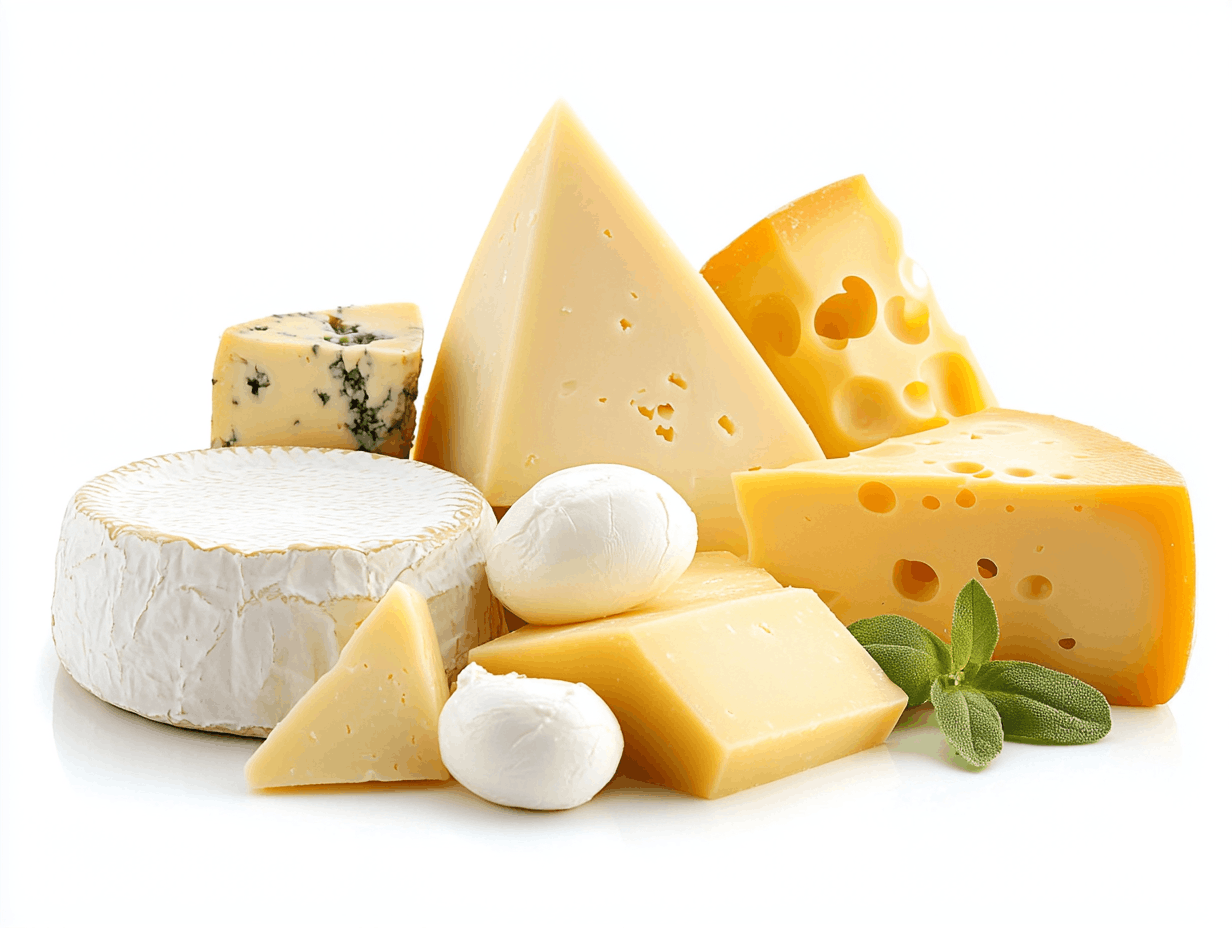
From fresh mozzarella to aged parmesan, cheese is rich in protein, fat, and calcium. Compare calories and macros across varieties and track portions by slice or gram.
See calories for cheese
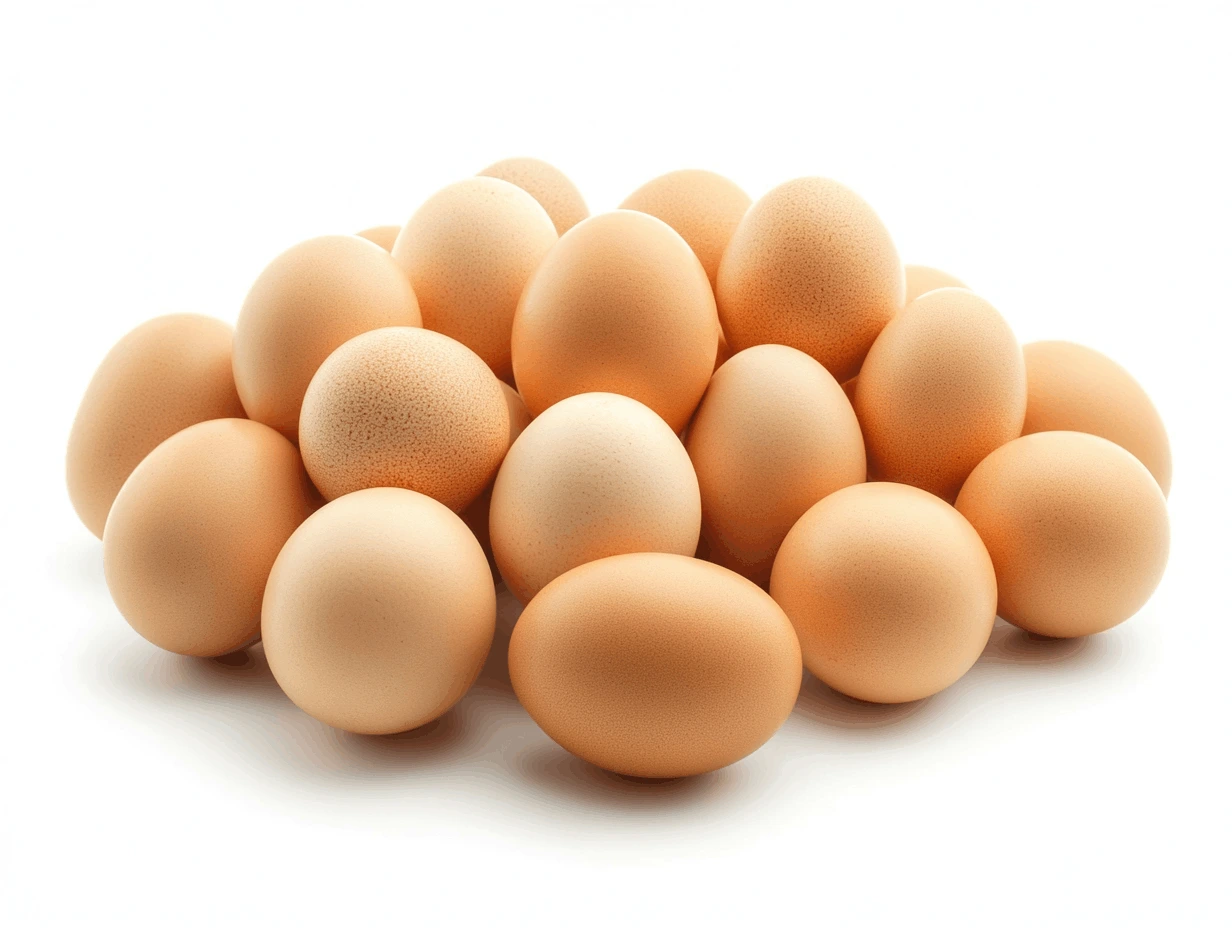
A complete protein source with essential amino acids, vitamins, and healthy fats. Track calories by whole egg, white, or yolk and compare across different preparation methods.
See calories for eggs
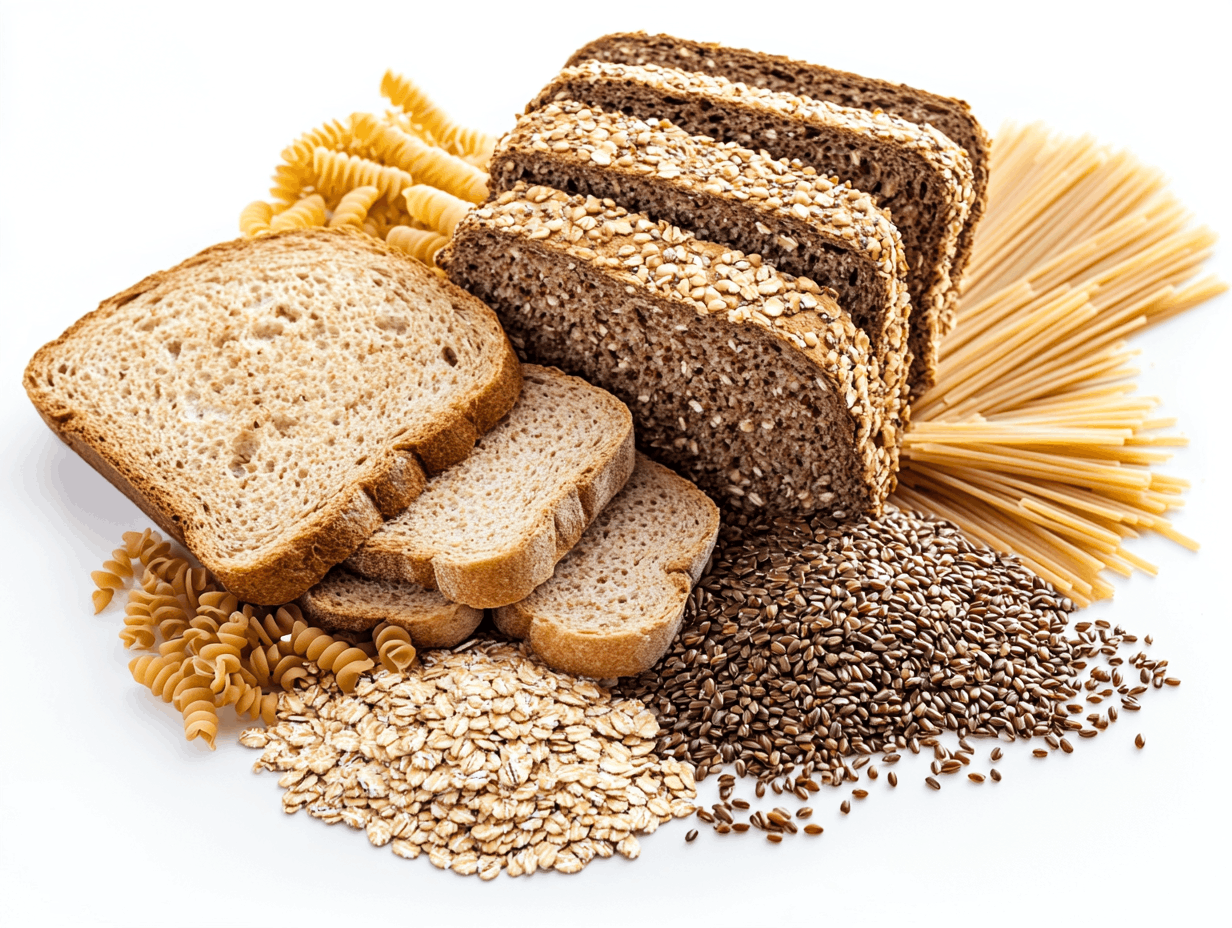
Rice, oats, pasta, and bread — grains are your main source of carbohydrates and energy. Browse by cooked or dry weight and track calories and carbs across common staples.
See calories for grains
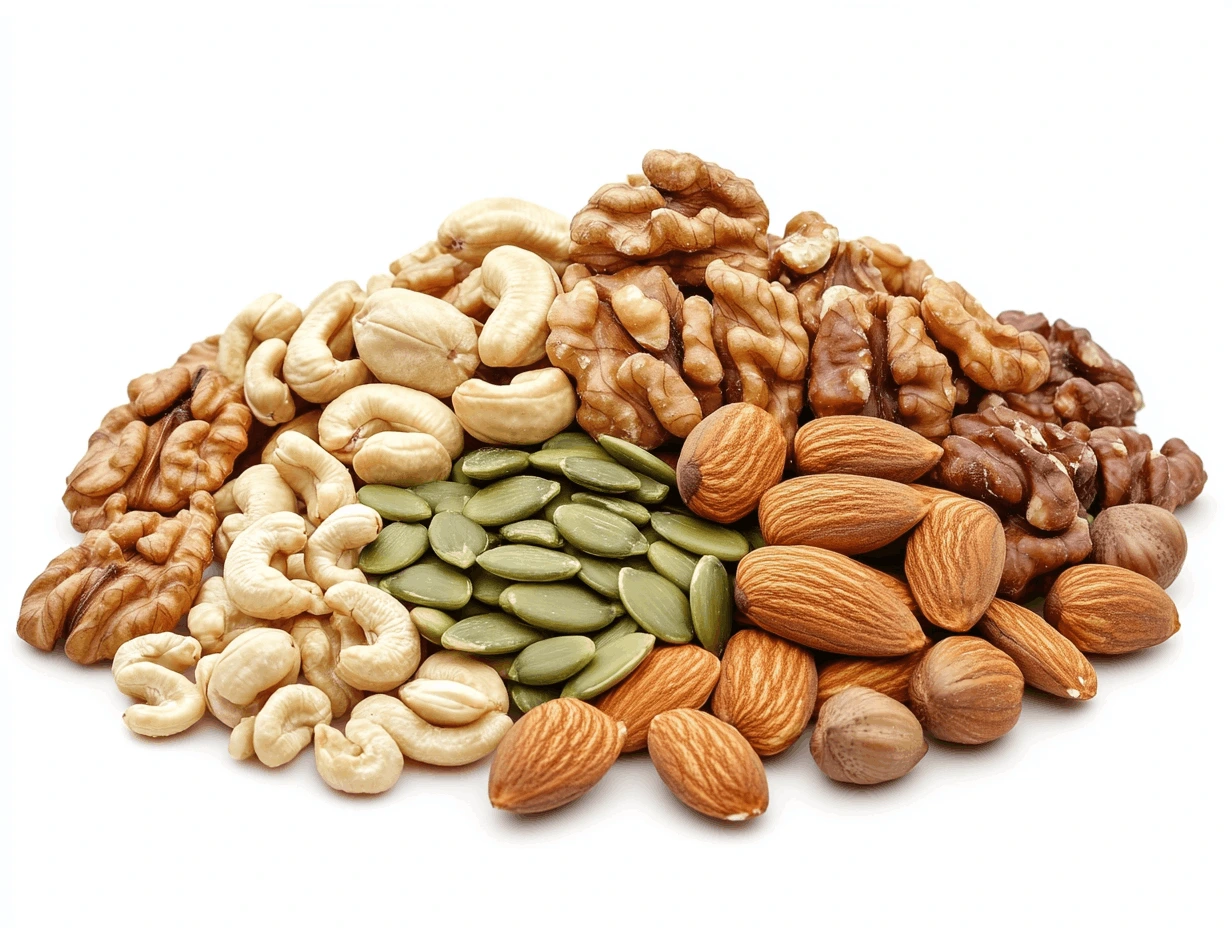
Calorie-dense and rich in healthy fats, nuts and seeds make every gram count. Compare protein, fat, and carb content across varieties to optimize your snacking choices.
See calories for nuts & seedsGet the numbers that actually matter for your health. From body composition to daily calorie targets, our calculators give you a clear, personalized starting point — no account needed, no fluff.
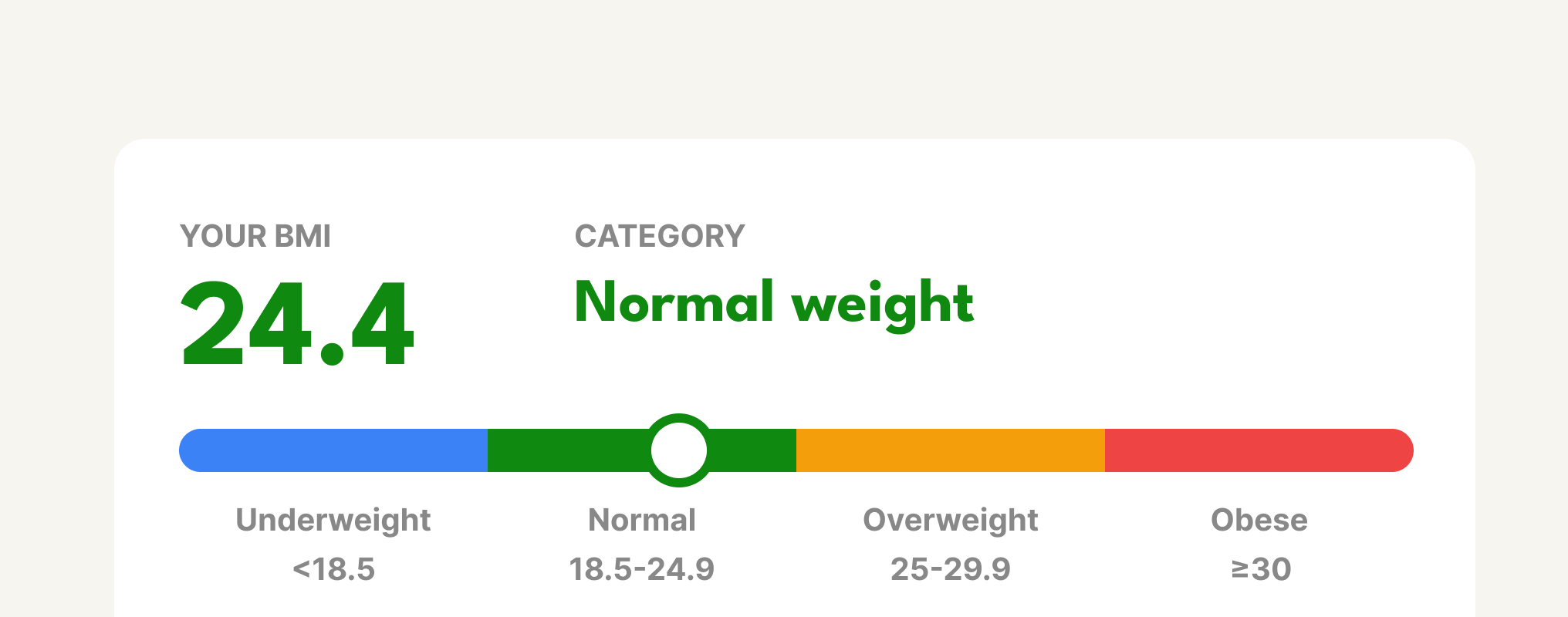
Find out if your weight is in a healthy range for your height. A quick first step to understanding your body and setting realistic health goals.
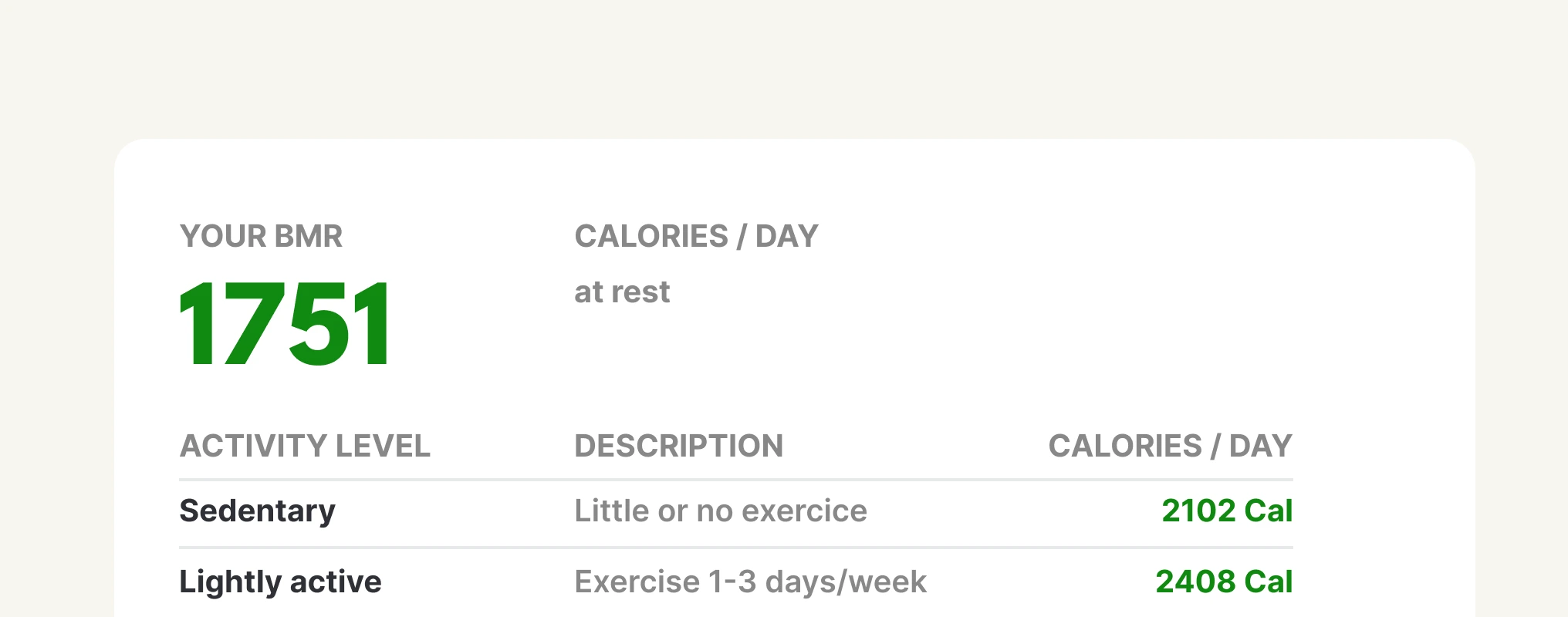
Discover how many calories your body burns at complete rest. Your Basal Metabolic Rate is the foundation of any smart nutrition or weight management plan.
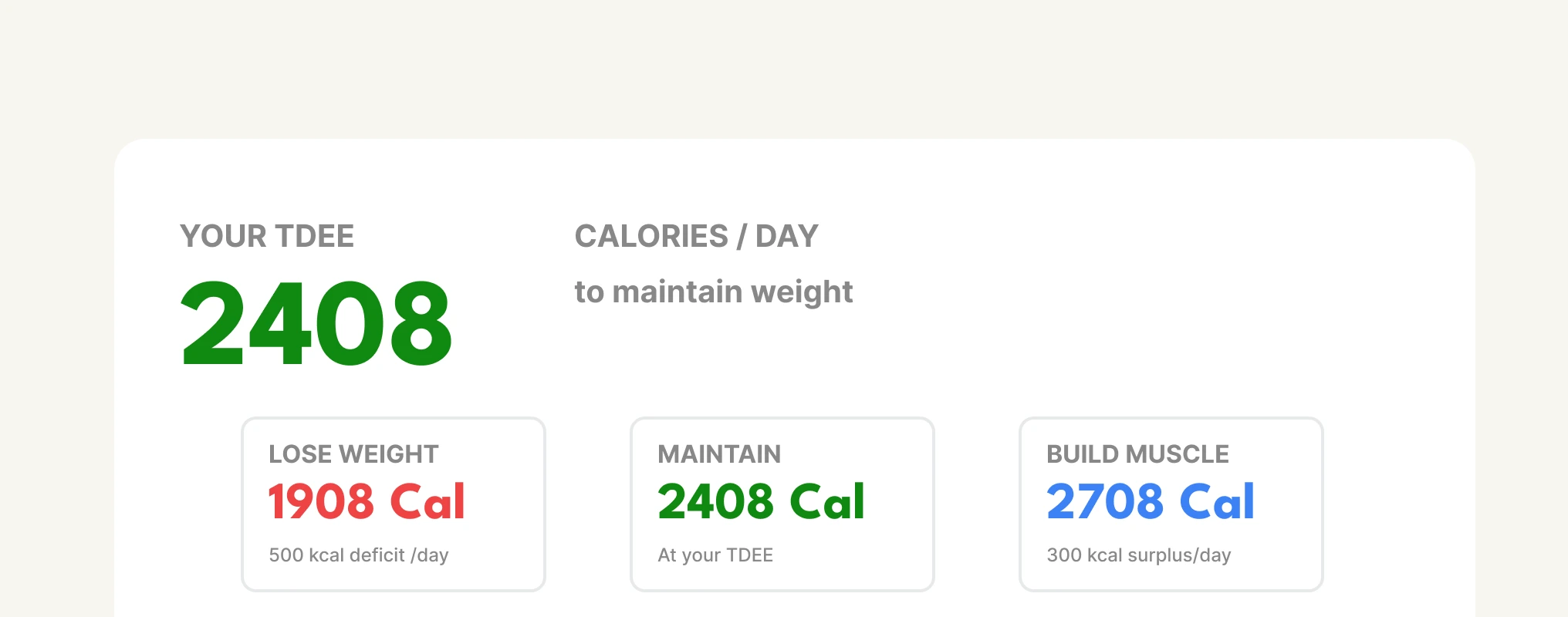
Get your Total Daily Energy Expenditure — the exact number of calories your body needs based on your weight, height, age, and activity level.
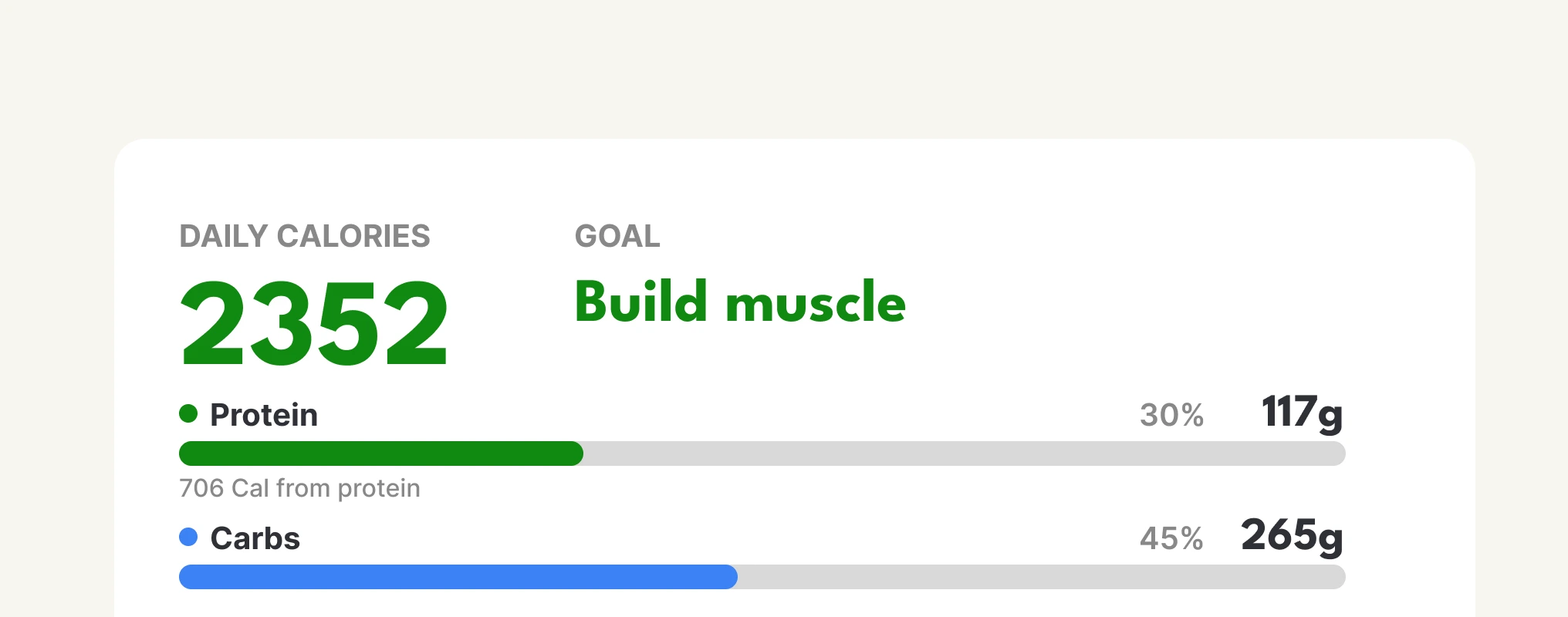
Find your ideal protein, carb, and fat targets based on your goals. Whether you're cutting, bulking, or maintaining, get a clear macro split tailored to your needs.
kcalmate is a free website where you can instantly look up calories and nutritional data for thousands of whole foods. Search any ingredient from bananas to grilled chicken and get clean, reliable numbers with clear portion sizes.
A calorie is a unit of energy. In nutrition, it measures how much energy food provides to your body. Your body uses calories to fuel everything from breathing to exercise. Consuming more calories than you burn leads to weight gain; consuming fewer leads to weight loss.
Foods high in calories include nuts and nut butters, oils and butter, avocados, cheese, fatty meats, whole milk dairy, pastries, fast food, and sugary drinks. These foods are often calorie-dense, meaning a small portion contains a large amount of energy.
Most adults lose weight on 1,200–1,500 calories/day (women) or 1,500–1,800 calories/day (men), but the right number depends on your age, height, weight, and activity level. A general rule is to eat 500 fewer calories than your daily maintenance needs to lose roughly 1 pound per week.
It depends on your maintenance calories. To lose 2 lbs/week you need a 1,000-calorie daily deficit. If your maintenance is 2,500 cal/day, then yes — 1,500 calories could work. But for smaller individuals with lower maintenance needs, 2 lbs/week may not be realistic or healthy at that intake.
The 3-3-3 rule is an informal guideline suggesting: eating 3 meals a day, waiting at least 3 hours between meals, and stopping eating 3 hours before bed. It promotes mindful eating patterns and helps avoid late-night snacking, though it's not a clinically established method.
At a 500–750 calorie daily deficit (typical on a 1,200 cal diet), you can expect to lose 1–1.5 lbs per week. That puts losing 30 pounds at roughly 20 to 30 weeks (5–7 months). Results vary based on your starting weight, metabolism, and activity level.
This is largely determined by genetics. Most people notice fat loss first in the face, neck, and hands, followed by the belly or chest. The areas where you store fat last (often hips, thighs, and lower belly) tend to be the hardest to lose — also known as "stubborn fat."
A few common reasons: underestimating portion sizes, not accounting for drinks and condiments, metabolic adaptation (your body adjusts to eating less), water retention, or a medical condition like hypothyroidism.