Calories in Eggs
Boiled, fried, scrambled, poached, and more. Full calorie data for eggs by cooking method, straight from the USDA database. Look up calories per 100g or per egg in metric or imperial.
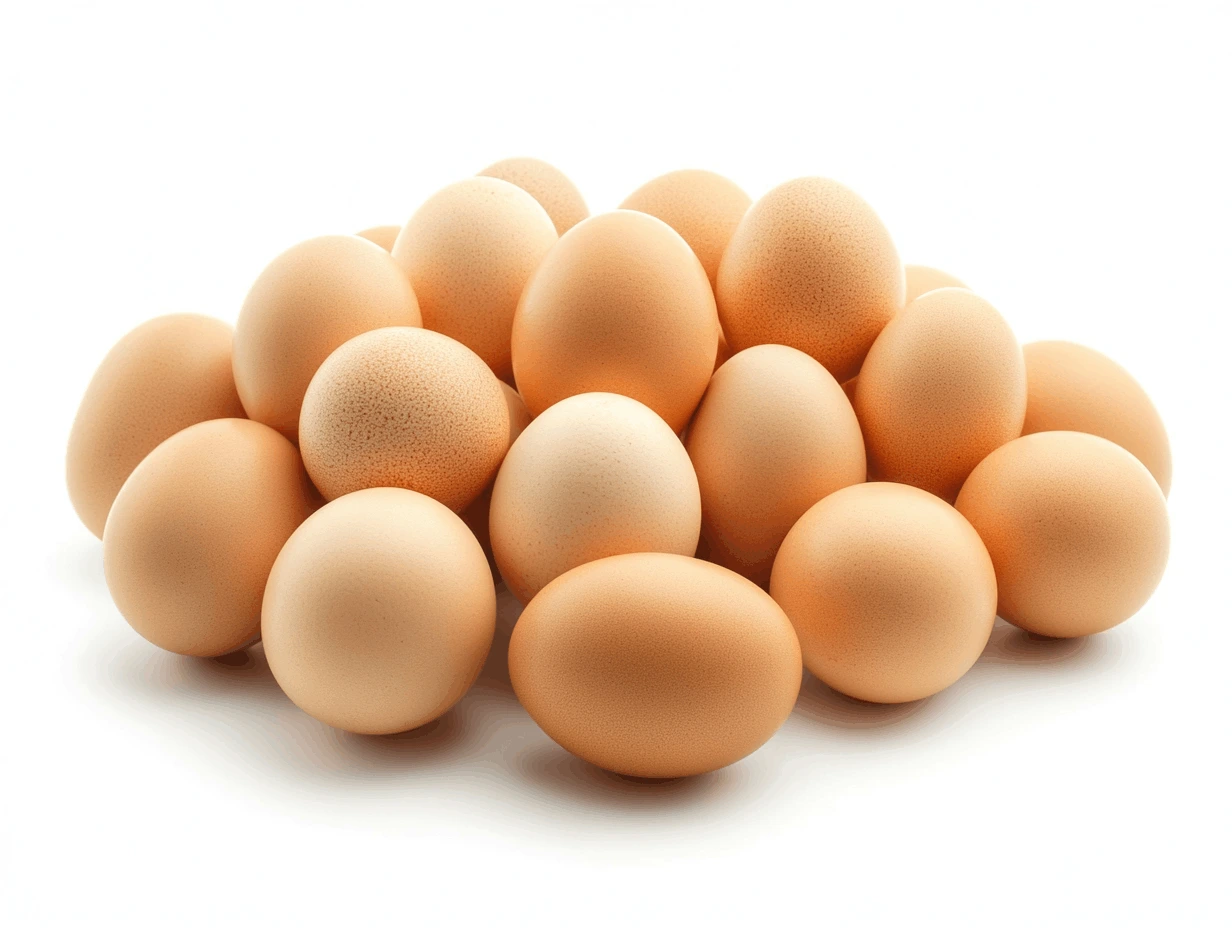
Boiled, fried, scrambled, poached, and more. Full calorie data for eggs by cooking method, straight from the USDA database. Look up calories per 100g or per egg in metric or imperial.
| Food | Serving | Calories |
|---|---|---|
| Whole Egg, Raw (Large) | 1 large egg (50g) | 143 Cal |
| Whole Egg, Raw (Medium) | 1 medium egg (44g) | 143 Cal |
| Egg White, Raw | 1 large egg white (33g) | 52 Cal |
| Egg Yolk, Raw | 1 large egg yolk (17g) | 322 Cal |
| Egg, Hard-Boiled | 1 large egg (50g) | 155 Cal |
| Egg, Soft-Boiled | 1 large egg (50g) | 147 Cal |
| Egg, Fried | 1 large egg (46g) | 196 Cal |
| Egg, Scrambled (with milk) | 1 large egg (61g) | 149 Cal |
| Egg, Poached | 1 large egg (50g) | 143 Cal |
| Omelette, Plain | 2 egg omelette (100g) | 154 Cal |
| Egg, Baked (en cocotte) | 1 large egg (50g) | 152 Cal |
| Egg White, Cooked | 1 large egg white (33g) | 52 Cal |
| Deviled Egg (half, with filling) | 2 halves (60g) | 192 Cal |
| Duck Egg, Whole, Raw | 1 duck egg (70g) | 185 Cal |
| Quail Egg, Whole, Raw | 5 quail eggs (55g) | 158 Cal |
| Liquid Whole Egg (pasteurised) | 3 tbsp (46g) | 145 Cal |
| Liquid Egg Whites (pasteurised) | 3 tbsp (46g) | 52 Cal |
| Scotch Egg | 1 scotch egg (120g) | 241 Cal |
| Pickled Egg | 1 large pickled egg (50g) | 150 Cal |
| Egg Substitute (fat-free) | 1/4 cup (61g) | 40 Cal |
Data source: USDA FoodData Central. Values are approximate and may vary by egg size, breed, and cooking method.
A large egg contains approximately 72 calories and provides 6.3g of complete protein containing all nine essential amino acids — a rarity in single foods. Eggs are one of the few naturally occurring sources of vitamin D, and they provide significant amounts of vitamins A, B12, riboflavin, folate, selenium, phosphorus, and choline. Choline in particular is critical for brain health and liver function, and eggs are the richest dietary source of this underconsumed nutrient.
The egg white and egg yolk have very different nutritional profiles. The white provides pure protein with almost zero fat and just 17 calories for a large egg white. The yolk contains all the fat, most of the micronutrients, and roughly one third of the total protein. Removing the yolk dramatically reduces the calorie count but also removes the majority of the egg's vitamins and minerals. For most people, eating whole eggs is the nutritionally superior choice.
Eggs are one of the most versatile and affordable complete protein sources. At roughly 70 to 80 calories per large egg with 6 to 7g of protein, they offer an exceptional protein-to-calorie ratio and a protein-to-price ratio that is hard to match. Their high protein and fat content makes them highly satiating, which is why research consistently shows that egg-based breakfasts reduce total daily calorie intake compared to carbohydrate-based breakfasts of similar calorie content.
Boiling and poaching add zero extra calories to eggs — the calorie content stays at approximately 72 to 78 calories per large egg. Frying and scrambling add calories depending on the fat used. A fried egg absorbs some of the cooking oil or butter, typically adding 30 to 80 calories depending on the quantity used. Scrambled eggs made with a tablespoon of butter and a splash of milk can add 100 to 150 extra calories across a two-egg portion. For the lowest-calorie egg preparation with the same satiety, boiled or poached eggs are the optimal choice.
Browse calories and macros across all food groups in our USDA-backed nutrition database.
Milk, yogurt, and cream offer calcium and protein in every serving. Compare full-fat vs. low-fat options and track macros across your favourite dairy staples.
See calories for dairy products
From fresh mozzarella to aged parmesan, cheese is rich in protein, fat, and calcium. Compare calories across varieties and track portions by slice or gram.
See calories for cheese
Chicken, turkey, duck, and more. Full nutritional data for every cut. Compare calories and protein across lean and fatty poultry options.
See calories for poultry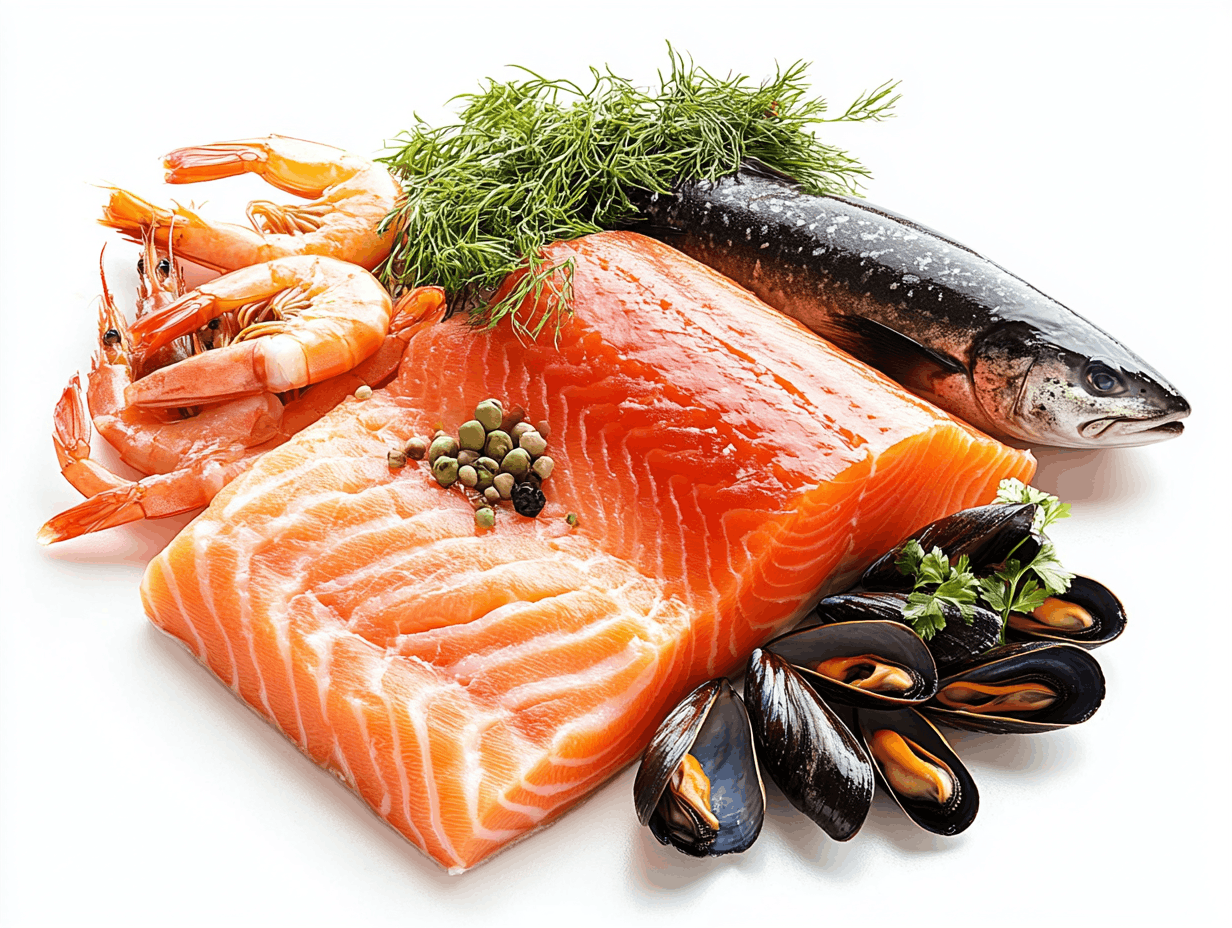
Salmon, tuna, cod, shrimp, and more. Full calorie data for every fish and seafood type, raw and cooked, straight from the USDA database.
See calories for fish & seafood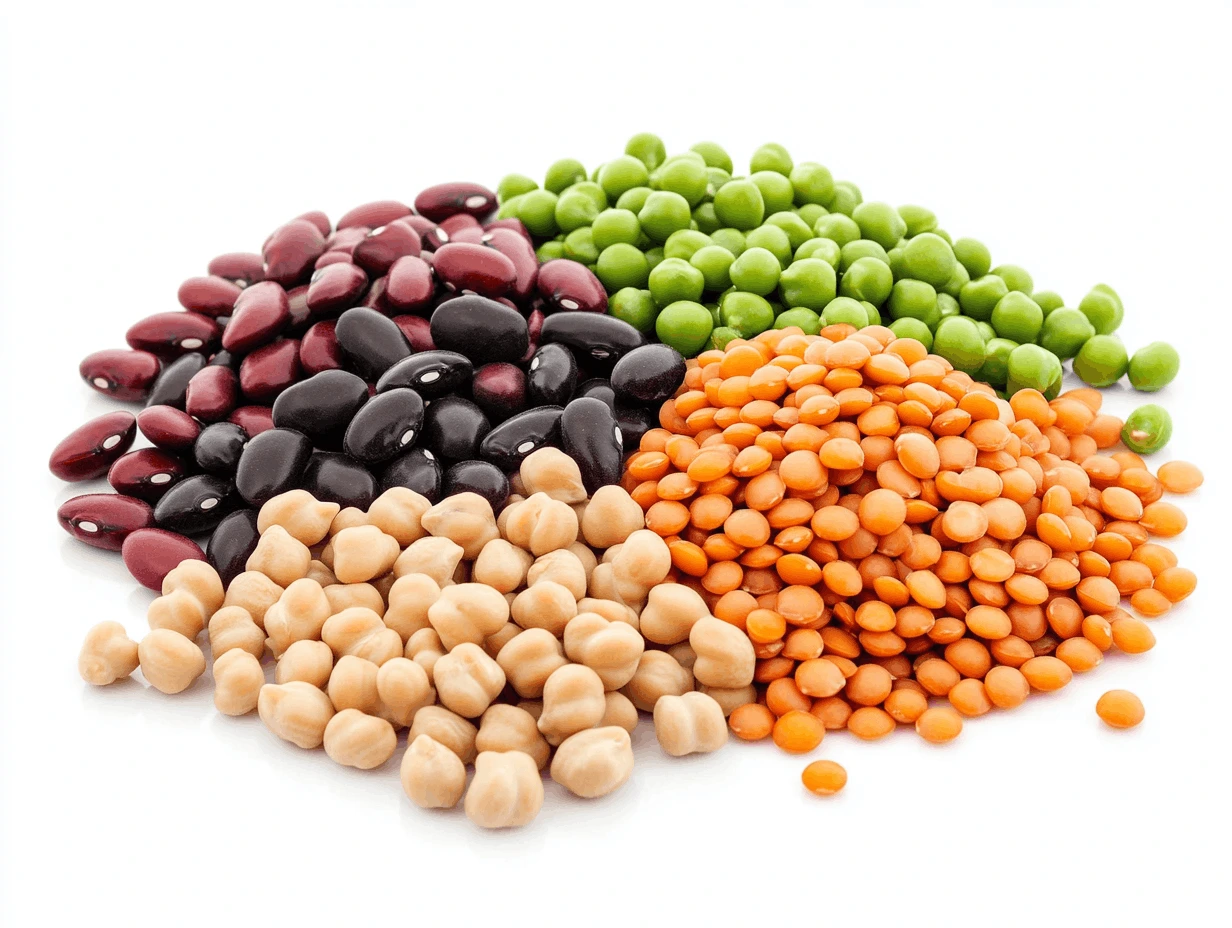
Beans, lentils, and chickpeas pack serious protein and fiber. Compare calories and macros across varieties to find the best plant-based protein sources.
See calories for legumes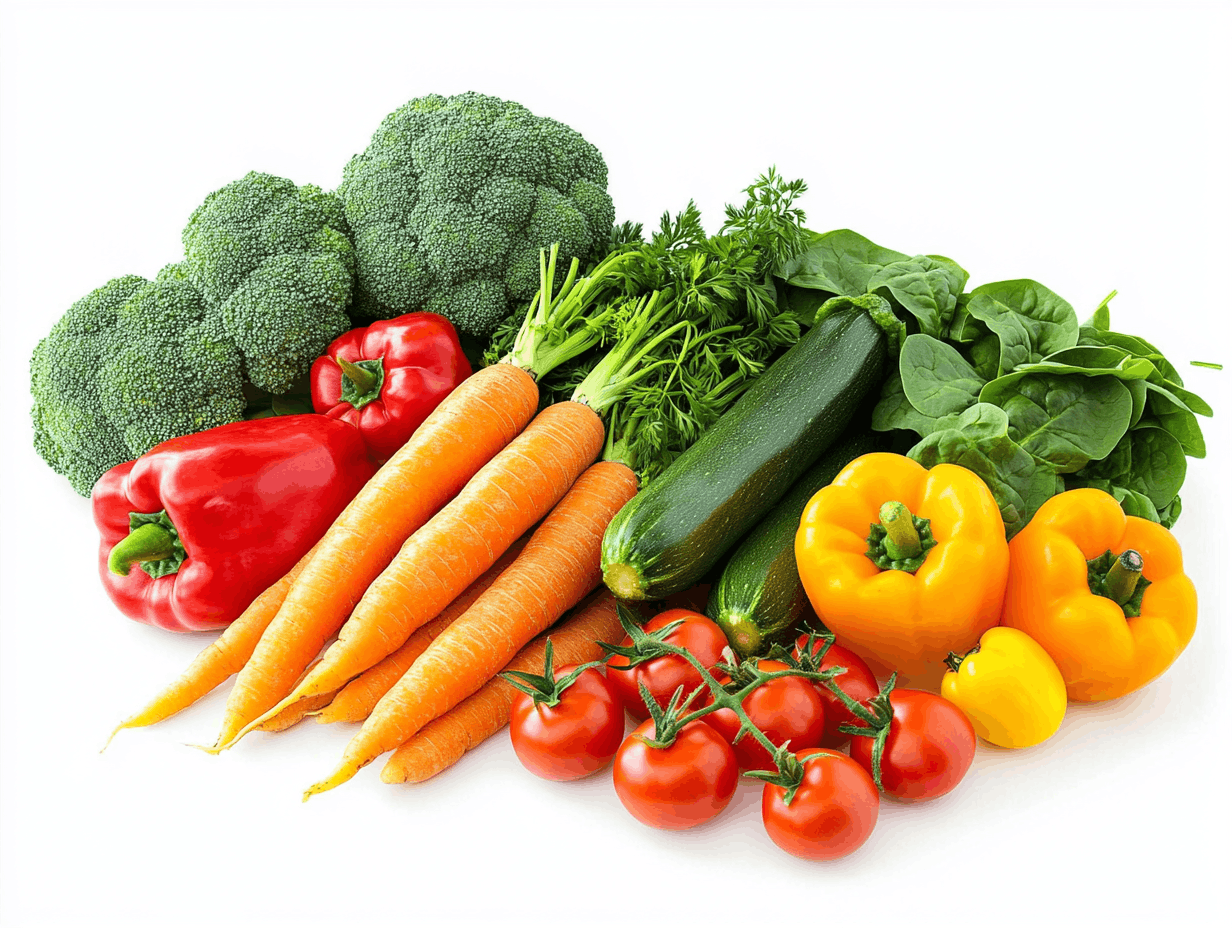
From leafy greens to root vegetables, explore calorie data for every vegetable. Compare raw and cooked values across broccoli, spinach, sweet potato, and more.
See calories for vegetables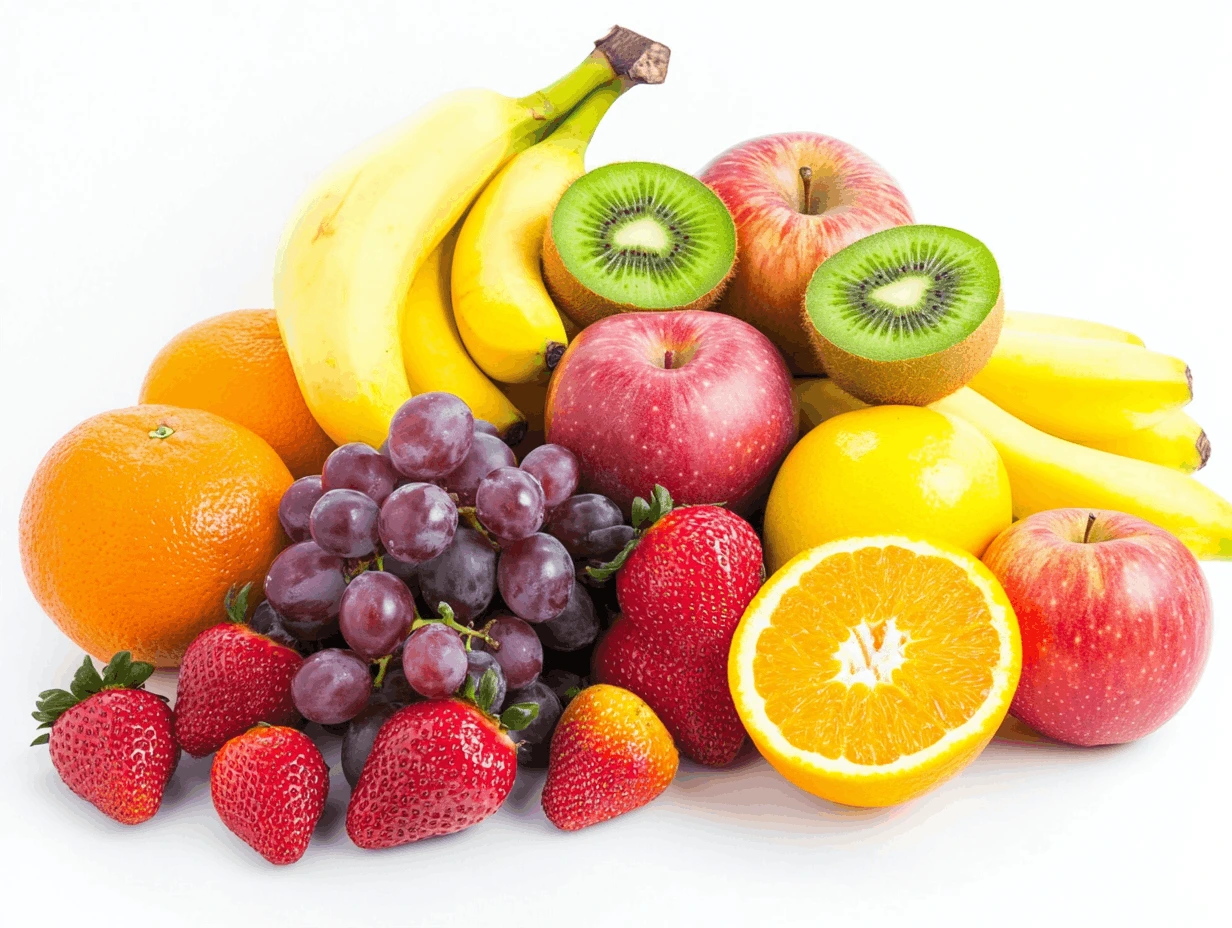
From berries to tropical fruits, get full calorie data for every fresh and dried fruit. Compare low-sugar options and track portions with ease.
See calories for fruits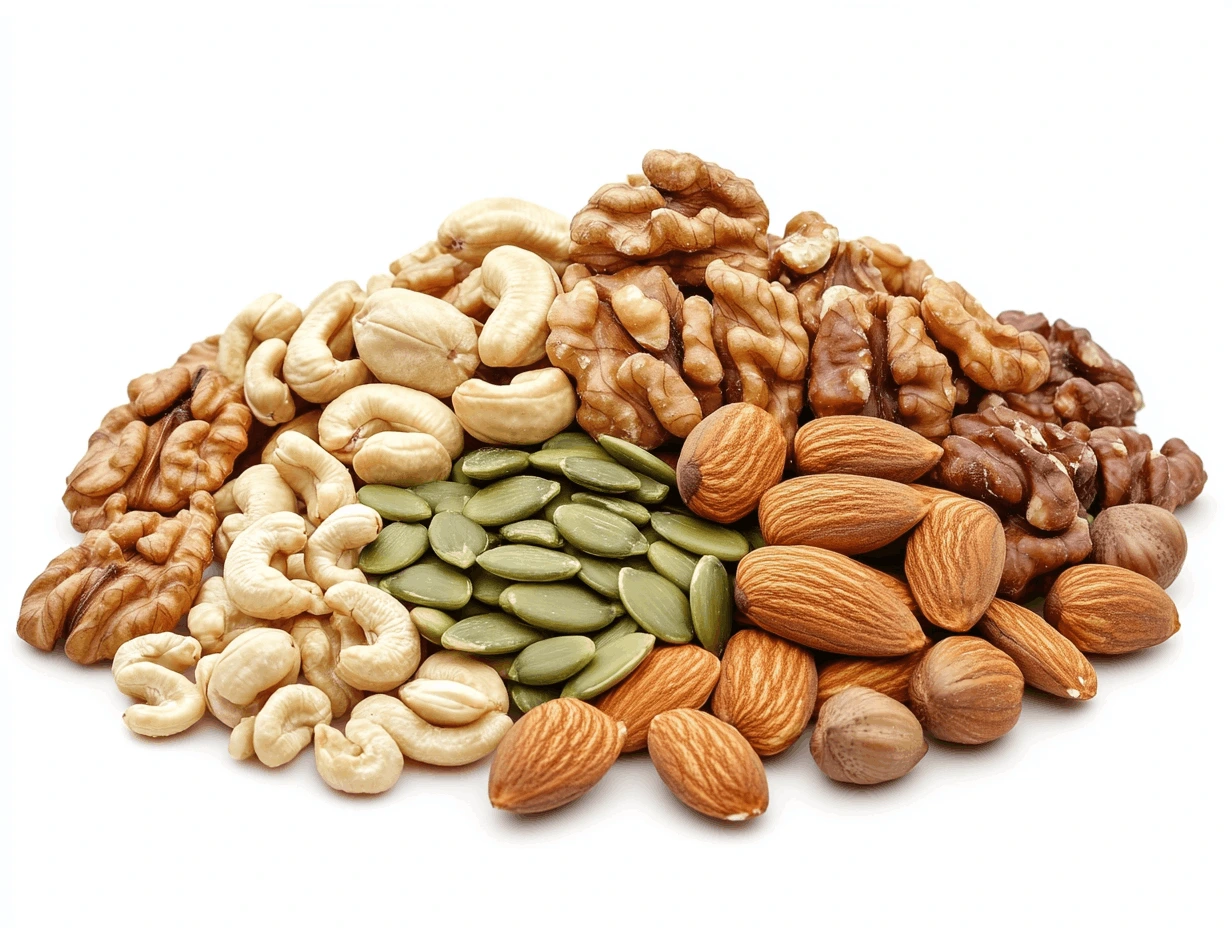
Calorie-dense and rich in healthy fats, nuts and seeds make every gram count. Compare protein, fat, and carb content across varieties to optimize snacking.
See calories for nuts & seeds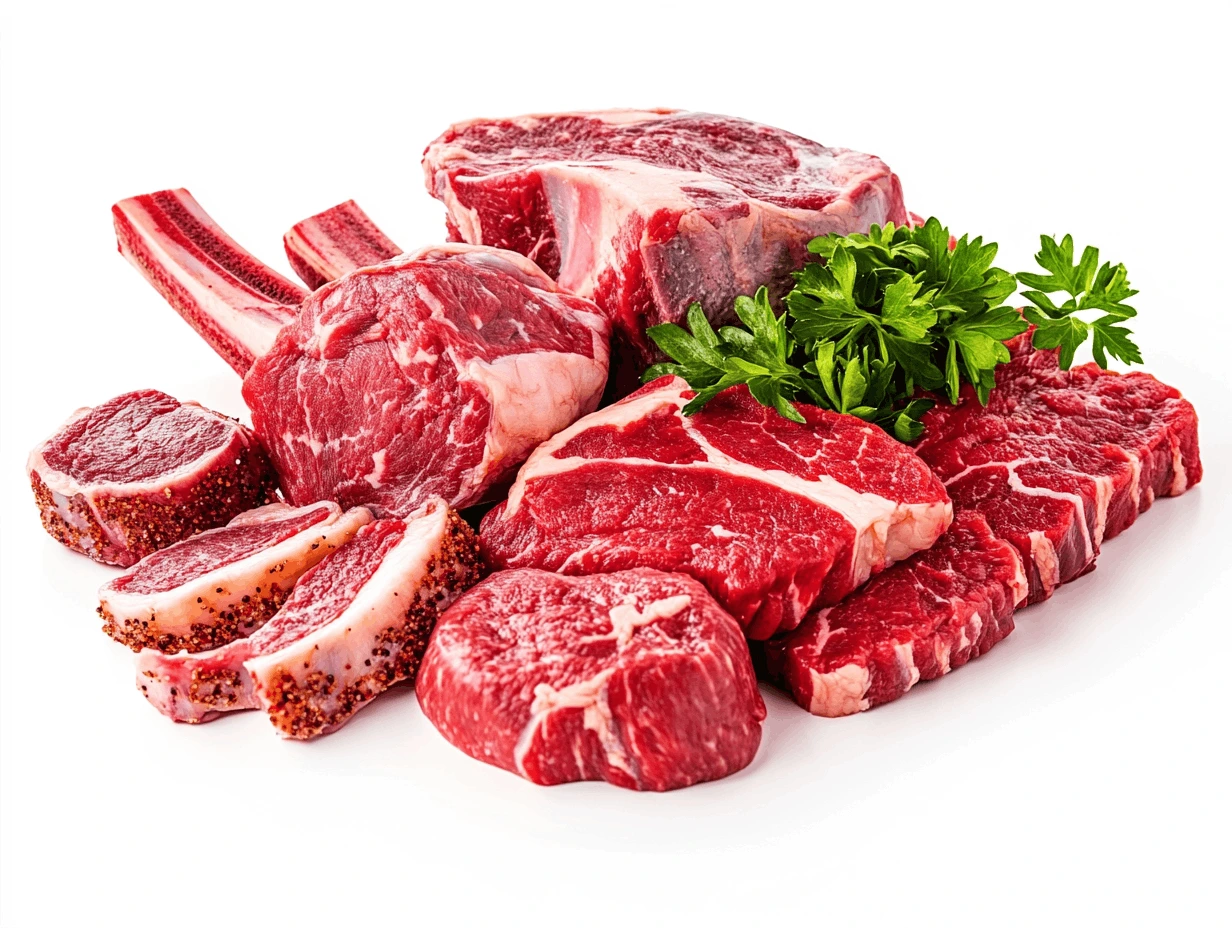
From lean ground beef to richly marbled ribeye, explore calorie data for every beef cut. Compare raw and cooked values for accurate tracking.
See calories for beefGet the numbers that actually matter for your health. From body composition to daily calorie targets, our calculators give you a clear, personalized starting point. No account needed.
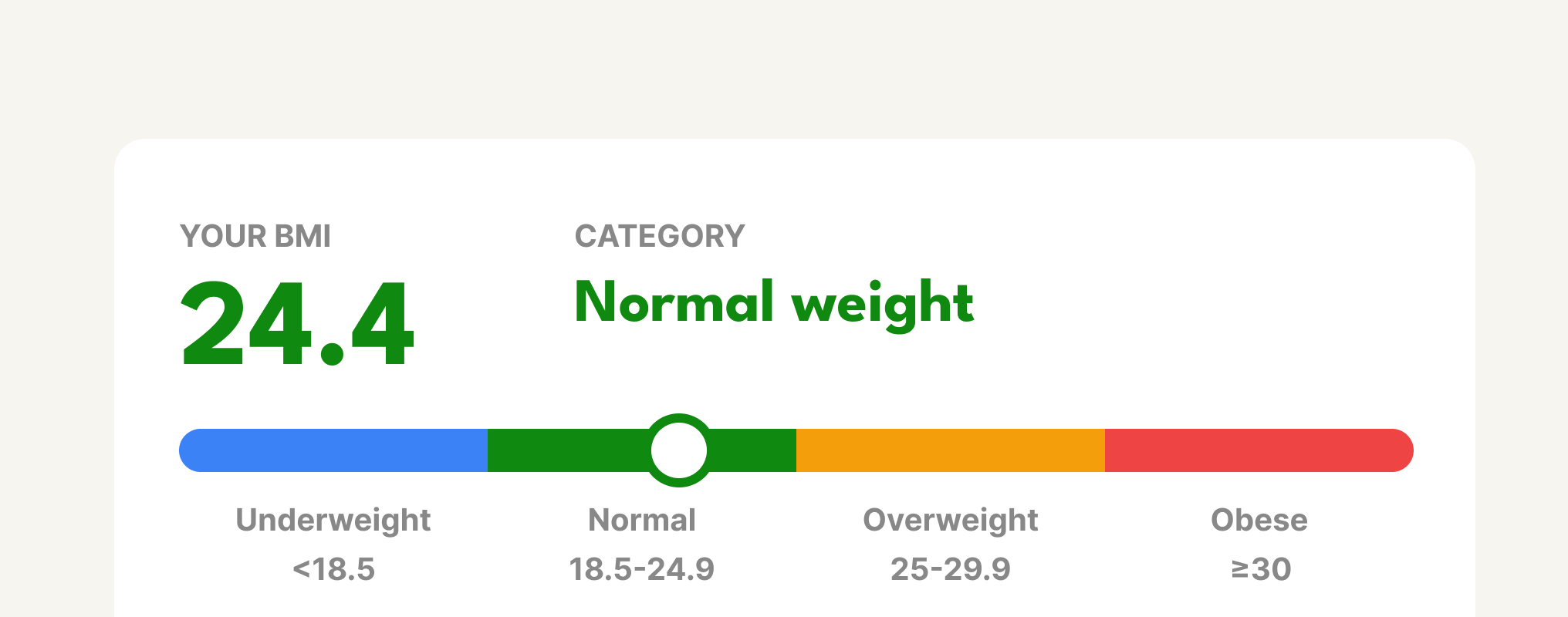
Find out if your weight is in a healthy range for your height. A quick first step to understanding your body and setting realistic health goals.
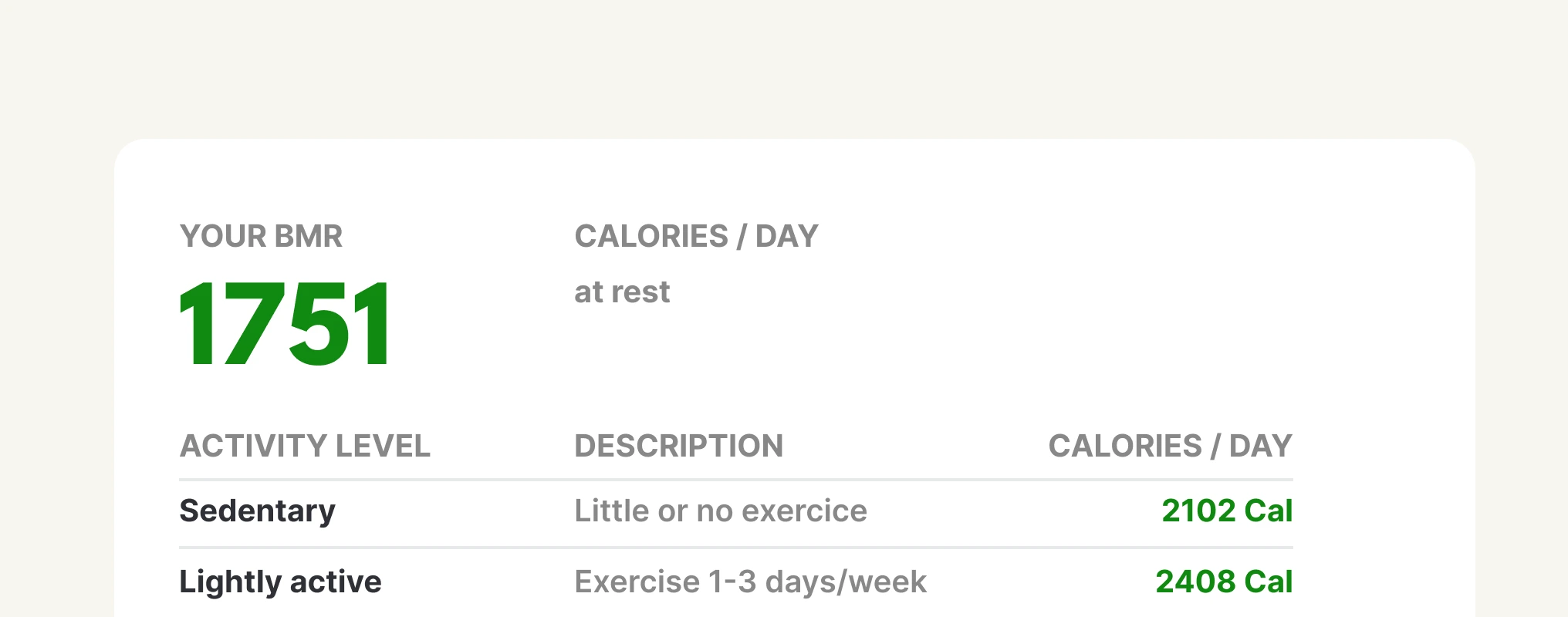
Discover how many calories your body burns at complete rest. Your BMR is the foundation of any smart nutrition or weight management plan.
Get the exact number of calories your body needs based on your weight, height, age, and activity level.
Find your ideal protein, carb, and fat targets based on your goals. Whether you're cutting, bulking, or maintaining, get a macro split tailored to you.
A raw large egg (50g) contains approximately 72 calories with 6.3g of protein, 4.8g of fat, and 0.4g of carbohydrates. Hard-boiled, a large egg contains approximately 78 calories. The slight increase is due to minor water loss during cooking. Eggs are nutritionally complete, providing high-quality protein with all essential amino acids plus vitamins A, D, E, B12, choline, and selenium.
One large egg white (33g) contains approximately 17 calories with 3.6g of protein and virtually zero fat. Per 100g, egg white contains 52 calories and 10.9g of protein, making it one of the purest lean protein sources available. Cooked egg whites have nearly identical calorie counts to raw. Liquid pasteurised egg whites are nutritionally equivalent to fresh egg whites.
A large egg yolk (17g) contains approximately 55 calories with 2.7g of protein and 4.5g of fat. Per 100g, egg yolk contains 322 calories with 26.5g of fat. The yolk contains all the fat, most of the vitamins, and about a third of the total protein. It is rich in vitamins A, D, E, K, B12, choline, and antioxidants lutein and zeaxanthin. Current evidence does not support avoiding egg yolks for most healthy people.
A hard-boiled large egg (50g) contains approximately 78 calories with 6.3g of protein and 5.3g of fat. A soft-boiled large egg contains approximately 74 calories. Boiling is the most calorie-neutral method as no fat is added. Boiled eggs are one of the most convenient and portable high-protein snacks available.
A fried egg (46g) contains approximately 90 calories — higher than a boiled egg due to oil or butter absorbed during frying. The exact count depends heavily on how much fat is used. A teaspoon of oil (5g) adds approximately 40 calories; a tablespoon (15g) adds approximately 120 calories. Using a non-stick pan with cooking spray keeps fried egg calories much closer to boiled egg levels.
Scrambled eggs made with milk contain approximately 149 calories per 100g with 9.9g of protein. A one-egg scramble (approximately 61g cooked) contains approximately 91 calories. Adding butter, cream, or cheese significantly increases the count. A plain two-egg scramble made with a small amount of butter provides approximately 180 to 220 calories total. Scrambled egg whites are much lower at around 52 calories per 100g.
Eggs are excellent for weight loss. A large hard-boiled egg provides 78 calories with 6.3g of complete protein, making it highly satiating relative to its calorie count. Research shows that eating eggs for breakfast significantly reduces total calorie intake throughout the day compared to carbohydrate-based breakfasts. For maximum satiety with minimum calories, boiled or poached eggs are optimal as no extra fat is added.
A poached large egg (50g) contains approximately 72 calories with 6.3g of protein and 4.8g of fat — nearly identical to a raw egg as no fat is added and minimal water is absorbed. Poaching is one of the lowest-calorie cooking methods for eggs alongside boiling. A two-egg poached breakfast on a slice of wholegrain toast provides a satisfying 220 to 225 calorie meal with around 14 to 15g of protein.
A plain two-egg omelette (100g) contains approximately 154 calories with 10.6g of protein and 12g of fat. Fillings significantly raise the calorie count: 30g of cheddar adds approximately 121 calories, while vegetables add very few. A cheese and vegetable omelette made with two eggs typically provides 250 to 350 calories total — a high-protein, filling meal depending on ingredients used.
Duck eggs (70g) contain approximately 130 calories versus approximately 72 calories for a large chicken egg (50g). Per 100g, duck eggs contain 185 calories with 12.8g of protein and 13.8g of fat, compared to 143 calories, 12.6g protein, and 9.5g fat for chicken eggs. Duck eggs have a richer flavour due to their higher fat content and larger yolk, and are higher in omega-3 fatty acids.
Quail eggs contain approximately 158 calories per 100g with 13.1g of protein — slightly higher than chicken eggs at 143 calories per 100g. A single quail egg weighs approximately 11g and contains approximately 17 calories with 1.4g of protein. Five quail eggs (55g) provide approximately 87 calories and 7.2g of protein — roughly equivalent to one large chicken egg in nutrition.
For most people, whole eggs are recommended. The yolk contains the majority of vitamins and minerals including vitamins A, D, E, K, B12, and choline — all absent in egg whites. Choline is critical for brain health and eggs are the richest dietary source. While egg whites provide pure protein with minimal calories, the extra calories from the yolk come with significant nutritional value. Current dietary guidelines no longer restrict egg yolk consumption for most healthy people.
A Scotch egg (120g) contains approximately 289 calories with 16.2g of protein, 13.2g of carbohydrates, and 19.2g of fat. The breadcrumb coating and sausage meat wrapping significantly increase the calorie and carbohydrate content compared to a plain boiled egg. Baked Scotch eggs are slightly lower in calories than deep-fried versions. They are protein-rich but considerably more calorie-dense than plain eggs.
Weigh individual eggs as sizes vary significantly: medium (44g, ~63 cal), large (50g, ~72 cal), extra-large (56g, ~80 cal). Boiling and poaching add no extra calories. For frying and scrambling, weigh butter or oil separately and add those calories — the cooking fat is often a larger calorie contributor than the eggs themselves. For egg whites, one large white (33g) provides approximately 17 calories and 3.6g of protein.