Calories in Cheese
Cheddar, mozzarella, brie, parmesan, feta, and more. Full calorie data for every cheese variety, straight from the USDA database. Look up calories per 100g or per serving in metric or imperial.
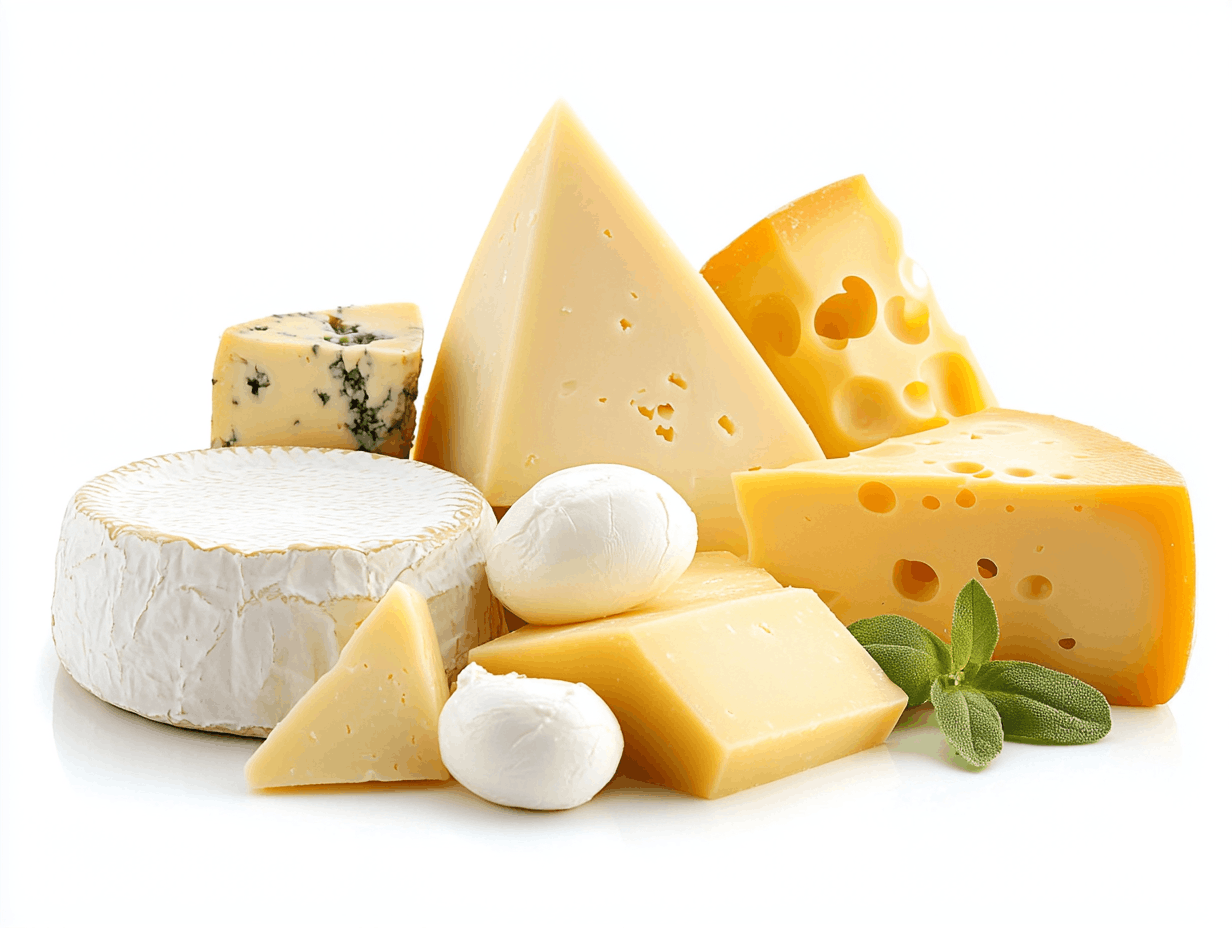
Cheddar, mozzarella, brie, parmesan, feta, and more. Full calorie data for every cheese variety, straight from the USDA database. Look up calories per 100g or per serving in metric or imperial.
| Food | Serving | Calories |
|---|---|---|
| Cheddar Cheese | 1 oz (28g) | 403 Cal |
| Cheddar Cheese, Reduced-Fat | 1 oz (28g) | 310 Cal |
| Mozzarella, Whole Milk | 1 oz (28g) | 299 Cal |
| Mozzarella, Part-Skim | 1 oz (28g) | 254 Cal |
| Mozzarella, Fresh (Buffalo) | 1 oz (28g) | 253 Cal |
| Parmesan, Grated | 2 tbsp (10g) | 431 Cal |
| Brie | 1 oz (28g) | 334 Cal |
| Camembert | 1 oz (28g) | 300 Cal |
| Gouda | 1 oz (28g) | 356 Cal |
| Edam | 1 oz (28g) | 357 Cal |
| Emmental (Swiss) | 1 oz (28g) | 380 Cal |
| Gruyère | 1 oz (28g) | 413 Cal |
| Blue Cheese | 1 oz (28g) | 353 Cal |
| Gorgonzola | 1 oz (28g) | 362 Cal |
| Feta | 1 oz (28g) | 264 Cal |
| Ricotta, Whole Milk | 1/2 cup (124g) | 174 Cal |
| Ricotta, Part-Skim | 1/2 cup (124g) | 138 Cal |
| Cottage Cheese, Full-Fat (4%) | 1/2 cup (113g) | 98 Cal |
| Cottage Cheese, Low-Fat (1%) | 1/2 cup (113g) | 72 Cal |
| Cream Cheese | 2 tbsp (29g) | 342 Cal |
| Cream Cheese, Light | 2 tbsp (29g) | 207 Cal |
| Mascarpone | 2 tbsp (28g) | 429 Cal |
| Manchego | 1 oz (28g) | 395 Cal |
| Halloumi | 1 oz (28g) | 316 Cal |
| Provolone | 1 oz (28g) | 351 Cal |
| Colby | 1 oz (28g) | 394 Cal |
| Pecorino Romano | 2 tbsp (10g) | 387 Cal |
| Burrata | 1 oz (28g) | 263 Cal |
| Processed Cheese Slice | 1 slice (21g) | 316 Cal |
| String Cheese (Mozzarella Stick) | 1 stick (28g) | 271 Cal |
Data source: USDA FoodData Central. Values are approximate and may vary by brand, age, and fat content.
Cheese is one of the most calorie-dense whole foods, ranging from 72 calories per 100g for low-fat cottage cheese to 431 calories per 100g for grated parmesan. This wide range is driven almost entirely by moisture and fat content. Fresh, high-moisture cheeses like cottage cheese and ricotta are much lower in calories because a large proportion of their weight is water. Aged, hard cheeses like parmesan and gruyère have had moisture removed through the ageing process, concentrating both calories and nutrients into a smaller mass.
Despite their calorie density, cheeses are genuinely nutritious. Hard cheeses like cheddar, gruyère, and parmesan provide 25 to 38g of protein per 100g — comparable to or exceeding lean meats. They are also excellent sources of calcium, phosphorus, vitamin B12, and vitamin K2. The fat in cheese is primarily saturated, but current nutritional evidence does not support the idea that moderate cheese consumption increases cardiovascular risk for most people.
Cottage cheese deserves special attention as a weight-loss and muscle-building food. Low-fat cottage cheese delivers 12.4g of protein at just 72 calories per 100g — a protein-to-calorie ratio that rivals non-fat Greek yogurt and makes it one of the most cost-effective protein sources available. It is also naturally low in sodium compared to aged cheeses, making it easier to fit into sodium-controlled diets.
Fresh cheeses (ricotta, cottage cheese, mozzarella, burrata, cream cheese) are higher in moisture, which dilutes their calorie density. Aged cheeses (cheddar, parmesan, gruyère, manchego) have had water evaporated through long maturation, which concentrates their fat, protein, and calories. This is why a slice of aged cheddar (403 cal/100g) has nearly three times the calories of the same weight of low-fat cottage cheese (72 cal/100g). When substituting cheeses in recipes, this calorie difference is important to account for.
Browse calories and macros across all food groups in our USDA-backed nutrition database.
Milk, yogurt, and cream offer calcium and protein in every serving. Compare full-fat vs. low-fat options and track macros across your favourite dairy staples.
See calories for dairy products
Chicken, turkey, duck, and more. Full nutritional data for every cut. Compare calories and protein across lean and fatty poultry options.
See calories for poultry
From lean ground beef to richly marbled ribeye, explore calorie data for every beef cut. Compare raw and cooked values for accurate tracking.
See calories for beef
Salmon, tuna, cod, shrimp, and more. Full calorie data for every fish and seafood type, raw and cooked, straight from the USDA database.
See calories for fish & seafood
From leafy greens to root vegetables, explore calorie data for every vegetable. Compare raw and cooked values across broccoli, spinach, sweet potato, and more.
See calories for vegetables
From berries to tropical fruits, get full calorie data for every fresh and dried fruit. Compare low-sugar options and track portions with ease.
See calories for fruits
Beans, lentils, and chickpeas pack serious protein and fiber. Compare calories and macros across varieties to find the best plant-based protein sources.
See calories for legumes
Calorie-dense and rich in healthy fats, nuts and seeds make every gram count. Compare protein, fat, and carb content across varieties to optimize snacking.
See calories for nuts & seeds
A complete protein source with essential amino acids, vitamins, and healthy fats. Track calories by whole egg, white, or yolk across different preparation methods.
See calories for eggsGet the numbers that actually matter for your health. From body composition to daily calorie targets, our calculators give you a clear, personalized starting point. No account needed.
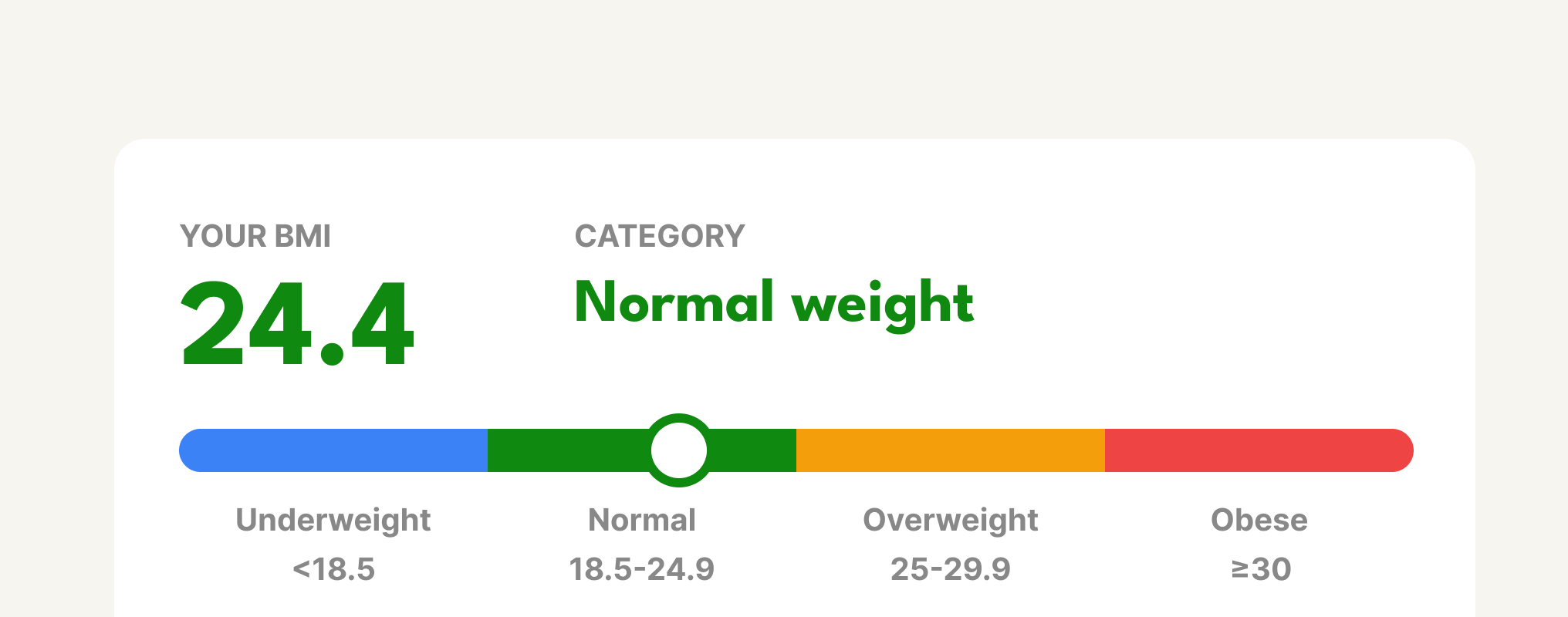
Find out if your weight is in a healthy range for your height. A quick first step to understanding your body and setting realistic health goals.
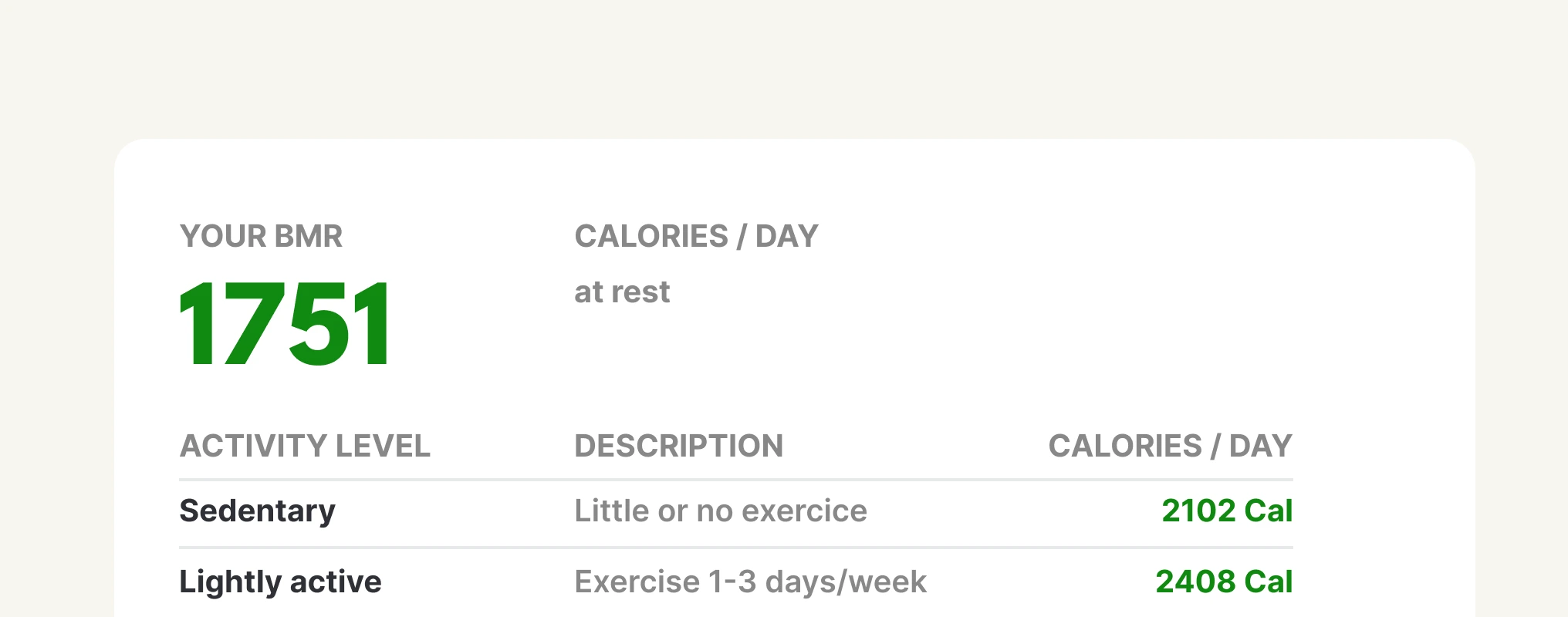
Discover how many calories your body burns at complete rest. Your BMR is the foundation of any smart nutrition or weight management plan.
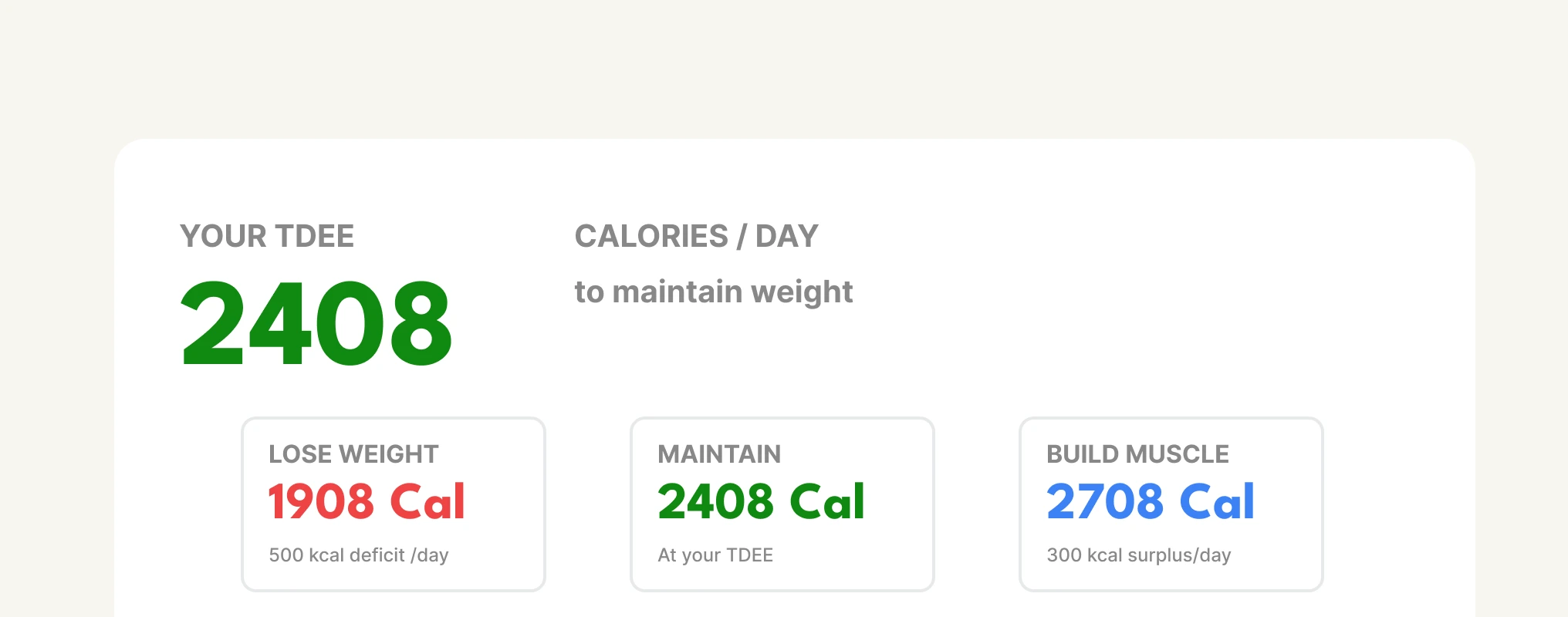
Get the exact number of calories your body needs based on your weight, height, age, and activity level.
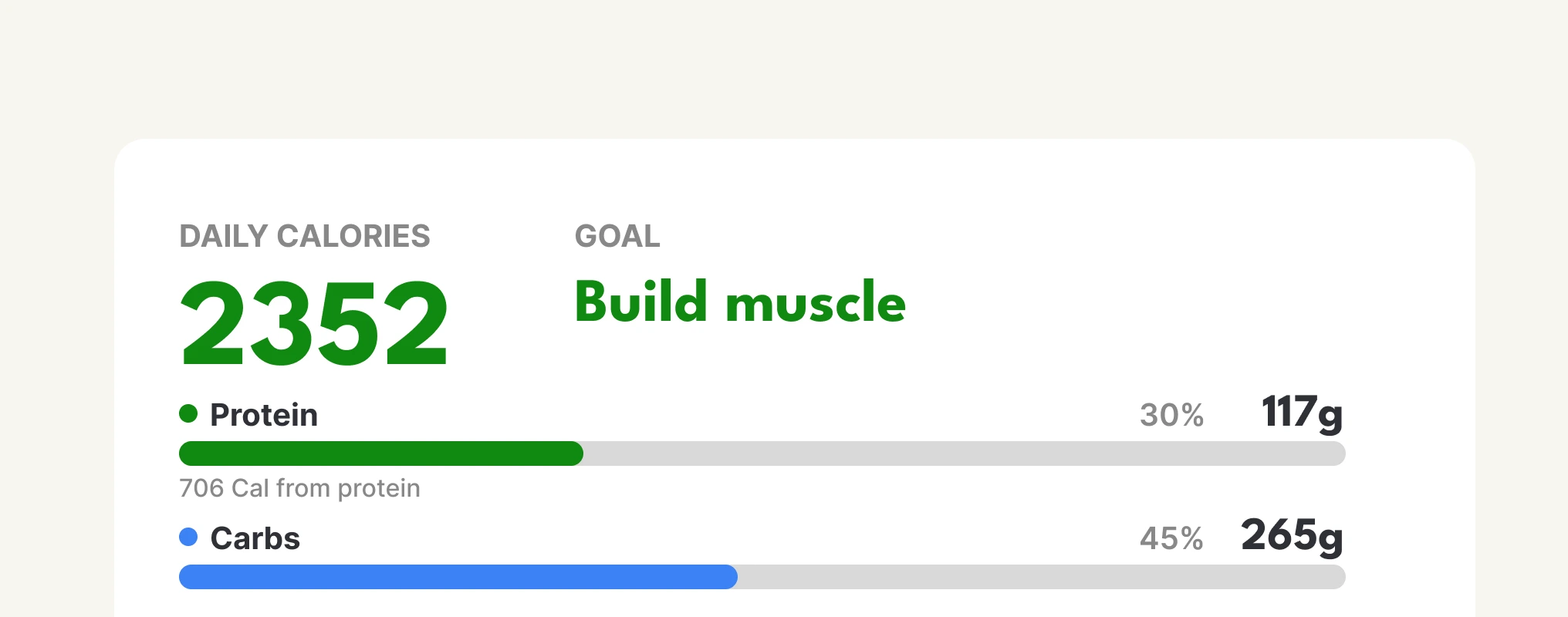
Find your ideal protein, carb, and fat targets based on your goals. Whether you're cutting, bulking, or maintaining, get a macro split tailored to you.
Cheddar cheese contains approximately 403 calories per 100g with 24.9g of protein and 33.1g of fat. A standard 1oz (28g) serving contains approximately 113 calories with 7g of protein. Reduced-fat cheddar is lower at around 310 calories per 100g with more protein at 29.7g but less fat at 20.2g. Cheddar is among the most calorie-dense everyday cheeses but also among the highest in protein.
Whole milk mozzarella contains approximately 299 calories per 100g with 22.2g of protein and 22.4g of fat. Part-skim mozzarella is lower at around 254 calories per 100g with 24.3g of protein and 15.9g of fat. A 1oz (28g) slice of whole milk mozzarella provides approximately 84 calories. Part-skim mozzarella is a good everyday choice — slightly lower in fat while maintaining high protein content.
Most hard cheeses are calorie-dense at 254 to 431 calories per 100g, but typical portions (1oz/28g) provide only 70 to 120 calories. Soft cheeses like ricotta (174 cal/100g) and cottage cheese (72 to 98 cal/100g) are significantly lower. Mascarpone and cream cheese are the highest calorie options at 429 and 342 calories per 100g respectively due to very high fat content.
Low-fat cottage cheese is the lowest calorie cheese at just 72 calories per 100g with 12.4g of protein — an outstanding protein-to-calorie ratio. Full-fat cottage cheese is 98 calories per 100g. Part-skim ricotta is 138 calories per 100g. Feta at 264 calories and fresh mozzarella at 253 to 299 calories per 100g are lower-calorie options among firmer cheeses.
Grated parmesan contains approximately 431 calories per 100g with an impressive 38.5g of protein and 28.6g of fat. A 2-tablespoon (10g) serving contains approximately 43 calories. Despite being calorie-dense, parmesan is used in small quantities as a flavouring so contributes relatively few calories per dish. Its very high sodium content of 1,529mg per 100g is worth noting for those managing salt intake.
Feta cheese contains approximately 264 calories per 100g with 14.2g of protein and 21.3g of fat. A 1oz (28g) serving contains approximately 74 calories. Feta's strong tangy flavour means a small amount goes a long way in salads and dishes. It is relatively high in sodium at 1,116mg per 100g, worth noting for those monitoring salt intake.
Low-fat cottage cheese is one of the best foods for weight loss. At just 72 calories per 100g with 12.4g of protein, it has an outstanding protein-to-calorie ratio. A 1/2 cup (113g) serving provides approximately 81 calories and 14g of protein. High protein supports satiety and preserves muscle mass during calorie restriction. It is also naturally low in sodium compared to aged cheeses.
Full-fat cream cheese contains approximately 342 calories per 100g with 34.2g of fat and just 6.2g of protein. A 2-tablespoon (29g) serving contains approximately 99 calories. Light cream cheese is significantly lower at around 207 calories per 100g. Cream cheese is primarily a fat-based spread with limited protein, making it more comparable to butter in nutritional role.
Parmesan is the highest protein cheese at 38.5g per 100g, followed by Pecorino Romano at 31.8g, Gruyère at 29.8g, and reduced-fat cheddar at 29.7g. Among lower-calorie options, low-fat cottage cheese delivers 12.4g per 100g at just 72 calories, giving it one of the best protein-to-calorie ratios of any cheese. Part-skim mozzarella at 24.3g per 100g is a great high-protein everyday choice.
Brie contains approximately 334 calories per 100g with 20.8g of protein, 27.7g of fat, and just 0.5g of carbohydrates. A 1oz (28g) serving contains approximately 94 calories. Camembert is slightly lower at around 300 calories per 100g. Both are soft-ripened cheeses — the white rind is edible and included in the calorie count.
Halloumi contains approximately 316 calories per 100g with 21.4g of protein and 25g of fat. A 1oz (28g) serving contains approximately 89 calories. Halloumi has the highest sodium content of common cheeses at around 1,440mg per 100g. When grilled, it holds its shape and the calorie count does not change significantly, though some fat may render off during cooking.
Whole milk ricotta contains approximately 174 calories per 100g with 11.3g of protein. Part-skim ricotta is lower at 138 calories per 100g with 11.4g of protein. A 1/2 cup (124g) serving of part-skim ricotta contains approximately 171 calories with 14.1g of protein. Ricotta is one of the lower-calorie fresh cheeses and is also relatively low in sodium compared to aged varieties.
A standard serving of hard or semi-hard cheese is 1oz (28g), providing 70 to 115 calories. For soft spreadable cheeses like cream cheese, a standard serving is 2 tablespoons (29g) providing approximately 100 calories. For ricotta and cottage cheese, a 1/2 cup serving (113 to 124g) provides 80 to 215 calories. For grated parmesan, 2 level tablespoons (10g) adds about 43 calories. Cheese is calorie-dense so accurate weighing makes a significant difference.
Many cheeses are high in sodium. Parmesan leads at 1,529mg per 100g, followed by halloumi at 1,440mg, blue cheese at 1,395mg, and processed slices at 1,242mg. Lower-sodium options include mascarpone at just 40mg, whole milk ricotta at 84mg, and Emmental at 187mg per 100g. Choosing fresh cheeses over aged and processed varieties significantly reduces sodium intake.
Weigh cheese in grams rather than estimating visually. A 1oz (28g) cube of cheddar is roughly the size of four dice — much smaller than most people intuitively cut. For grated hard cheeses like parmesan, 2 level tablespoons weighs approximately 10g. For soft cheeses like ricotta, use measuring cups or a scale. Cream cheese and mascarpone are best measured by tablespoon. Cheese is calorie-dense so small estimation errors add up quickly over multiple servings.