Calories in Nuts & Seeds
Almonds, walnuts, cashews, chia seeds, and more. Full calorie data for every nut and seed, straight from the USDA database. Look up calories per 100g or per serving in metric or imperial.
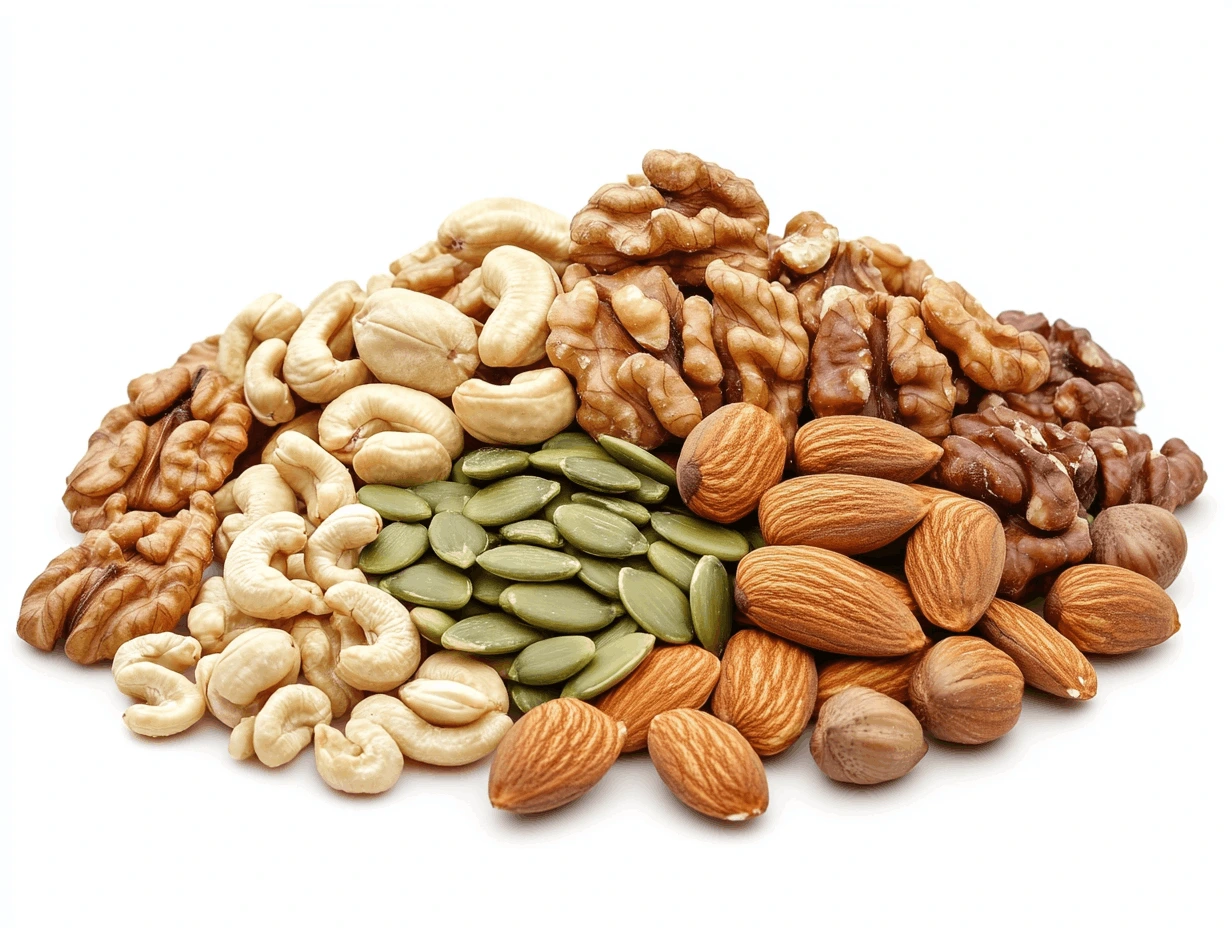
Almonds, walnuts, cashews, chia seeds, and more. Full calorie data for every nut and seed, straight from the USDA database. Look up calories per 100g or per serving in metric or imperial.
| Food | Serving | Calories |
|---|---|---|
| Almonds, Raw | 1 oz (28g) | 579 Cal |
| Almonds, Dry Roasted | 1 oz (28g) | 598 Cal |
| Walnuts, Raw | 1 oz (28g) | 654 Cal |
| Cashews, Raw | 1 oz (28g) | 553 Cal |
| Cashews, Dry Roasted | 1 oz (28g) | 574 Cal |
| Peanuts, Raw | 1 oz (28g) | 567 Cal |
| Peanut Butter, Smooth | 2 tbsp (32g) | 589 Cal |
| Pistachios, Raw | 1 oz (28g) | 560 Cal |
| Pistachios, Dry Roasted (salted) | 1 oz (28g) | 572 Cal |
| Hazelnuts, Raw | 1 oz (28g) | 628 Cal |
| Pecans, Raw | 1 oz (28g) | 691 Cal |
| Macadamia Nuts, Raw | 1 oz (28g) | 718 Cal |
| Brazil Nuts, Raw | 1 oz (28g) | 656 Cal |
| Pine Nuts, Raw | 1 oz (28g) | 673 Cal |
| Coconut, Desiccated (unsweetened) | 2 tbsp (14g) | 660 Cal |
| Chia Seeds | 1 tbsp (12g) | 486 Cal |
| Flaxseeds (Linseeds) | 1 tbsp (10g) | 534 Cal |
| Sunflower Seeds, Raw | 1 oz (28g) | 584 Cal |
| Pumpkin Seeds (Pepitas), Raw | 1 oz (28g) | 559 Cal |
| Sesame Seeds, Raw | 1 tbsp (9g) | 573 Cal |
| Tahini (Sesame Paste) | 1 tbsp (15g) | 595 Cal |
| Hemp Seeds, Hulled | 3 tbsp (30g) | 553 Cal |
| Poppy Seeds | 1 tbsp (9g) | 525 Cal |
| Almond Butter | 2 tbsp (32g) | 614 Cal |
| Mixed Nuts, Salted | 1 oz (28g) | 607 Cal |
| Trail Mix (nuts, seeds, dried fruit) | 1 oz (28g) | 462 Cal |
Data source: USDA FoodData Central. Values are approximate and may vary by variety, origin, and processing method.
Nuts and seeds are among the most calorie-dense whole foods available, ranging from 460 to 720 calories per 100g. This density comes almost entirely from fat — most nuts are 45 to 75% fat by weight. However, the fat in nuts is predominantly unsaturated: monounsaturated fats (rich in almonds, hazelnuts, macadamias) and polyunsaturated fats including omega-3 and omega-6 fatty acids (rich in walnuts, flaxseeds, chia seeds). These fats are associated with cardiovascular protection, reduced inflammation, and improved brain function.
Despite their high calorie count, nuts consistently appear in weight management research without negative outcomes. The combination of protein, fat, and fibre in nuts creates powerful satiety, reducing overall calorie intake throughout the day. Additionally, the cell wall structure of whole nuts means some of the fat is not fully absorbed during digestion — studies suggest 10 to 20% of the fat in whole almonds and other nuts passes through undigested.
Seeds are often overlooked but are nutritional powerhouses in their own right. Pumpkin seeds provide 30.2g of protein per 100g — more than chicken breast. Hemp seeds are a complete protein with all essential amino acids. Chia and flaxseeds are extraordinary sources of omega-3 ALA and soluble fibre, which supports gut health and cholesterol management. Sesame seeds and tahini are among the richest non-dairy sources of calcium.
The main practical challenge with nuts is that their calorie density makes portion control essential. A standard 1oz (28g) serving of almonds — roughly 23 almonds — provides approximately 162 calories. That is easy to eat in seconds without feeling like you have consumed much. A handful grabbed from a bag without measuring can easily be 50 to 80g, providing 290 to 460 calories from what feels like a small snack. Pre-weighing portions or using individual serving bags is the most reliable strategy for managing nut intake while still benefiting from their nutrition.
Browse calories and macros across all food groups in our USDA-backed nutrition database.
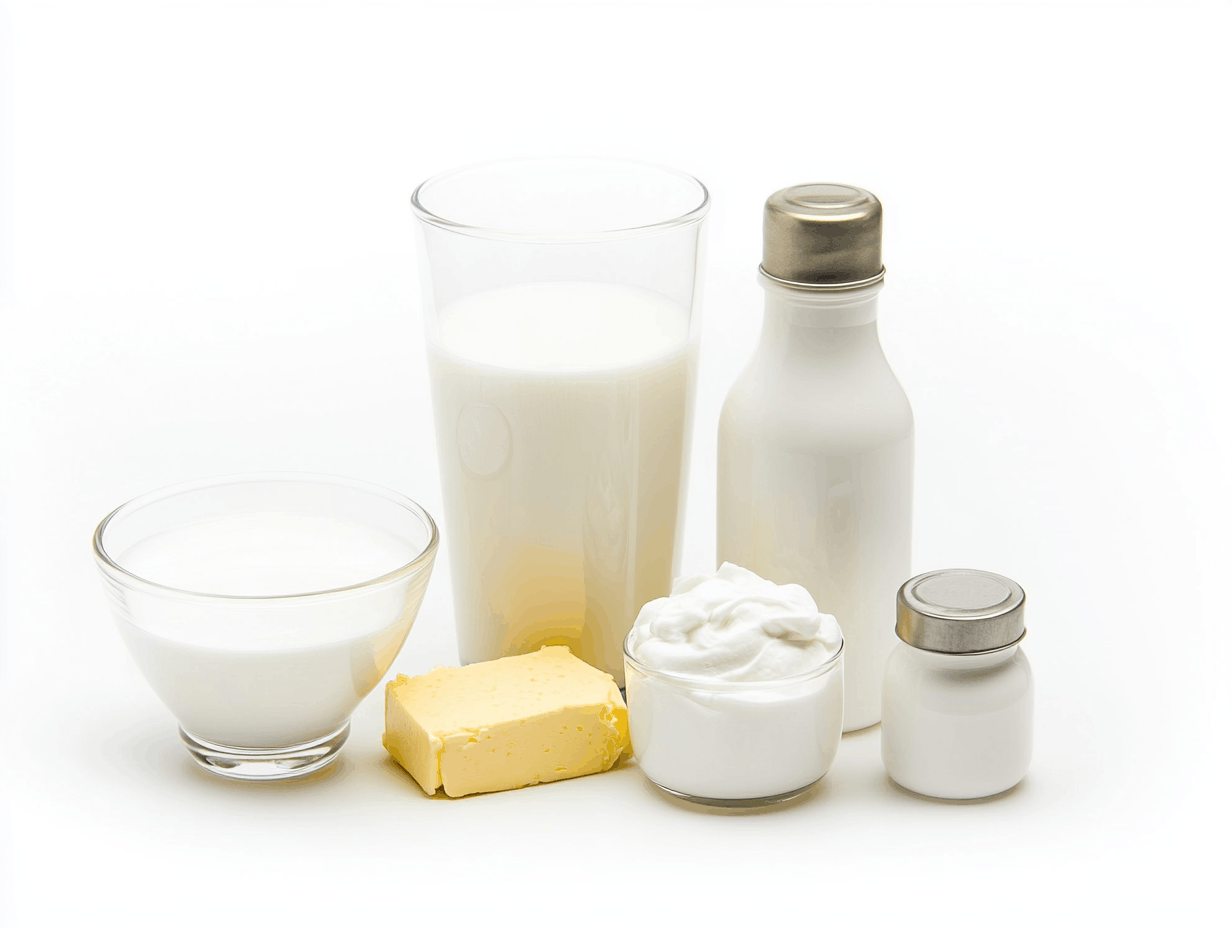
Milk, yogurt, and cream offer calcium and protein in every serving. Compare full-fat vs. low-fat options and track macros across your favourite dairy staples.
See calories for dairy products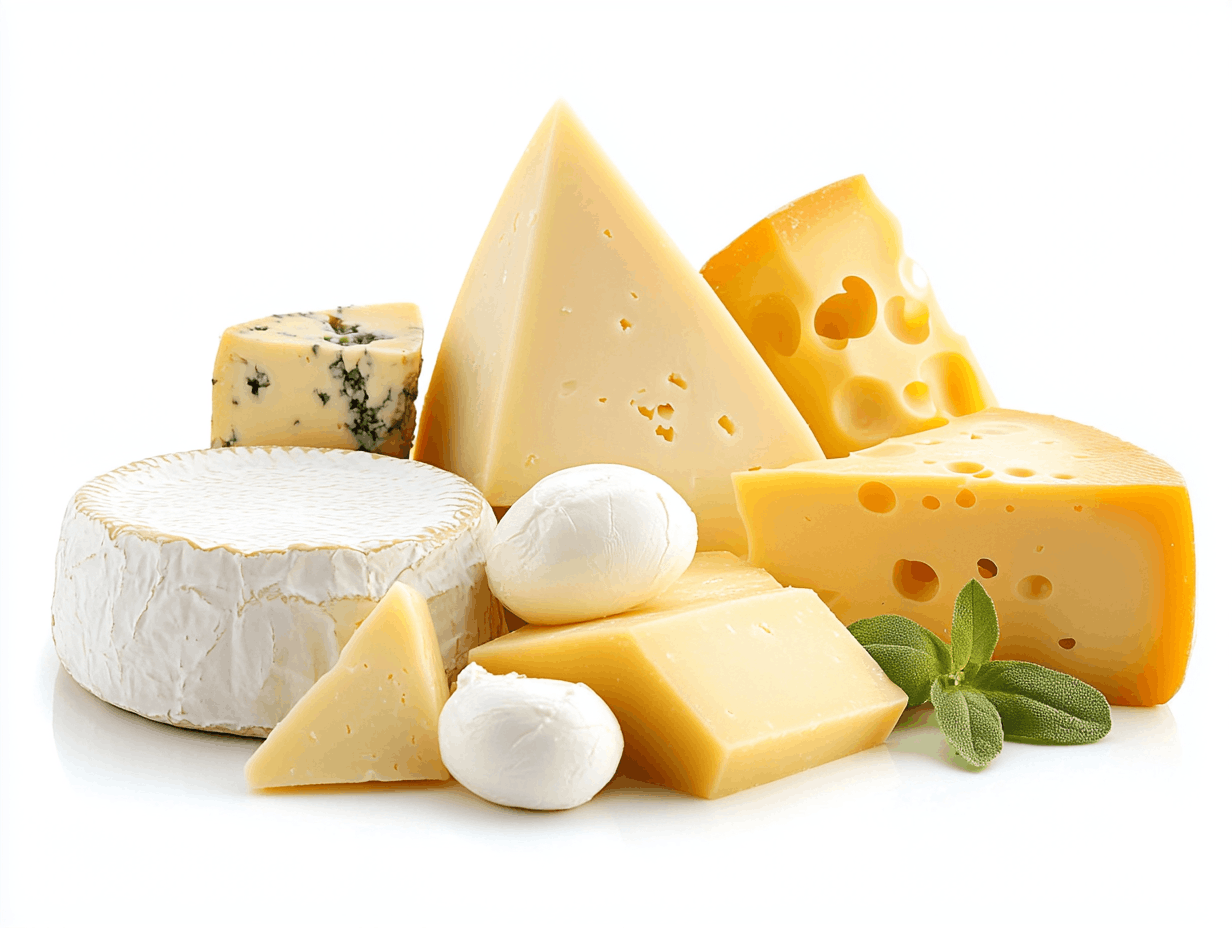
From fresh mozzarella to aged parmesan, cheese is rich in protein, fat, and calcium. Compare calories across varieties and track portions by slice or gram.
See calories for cheese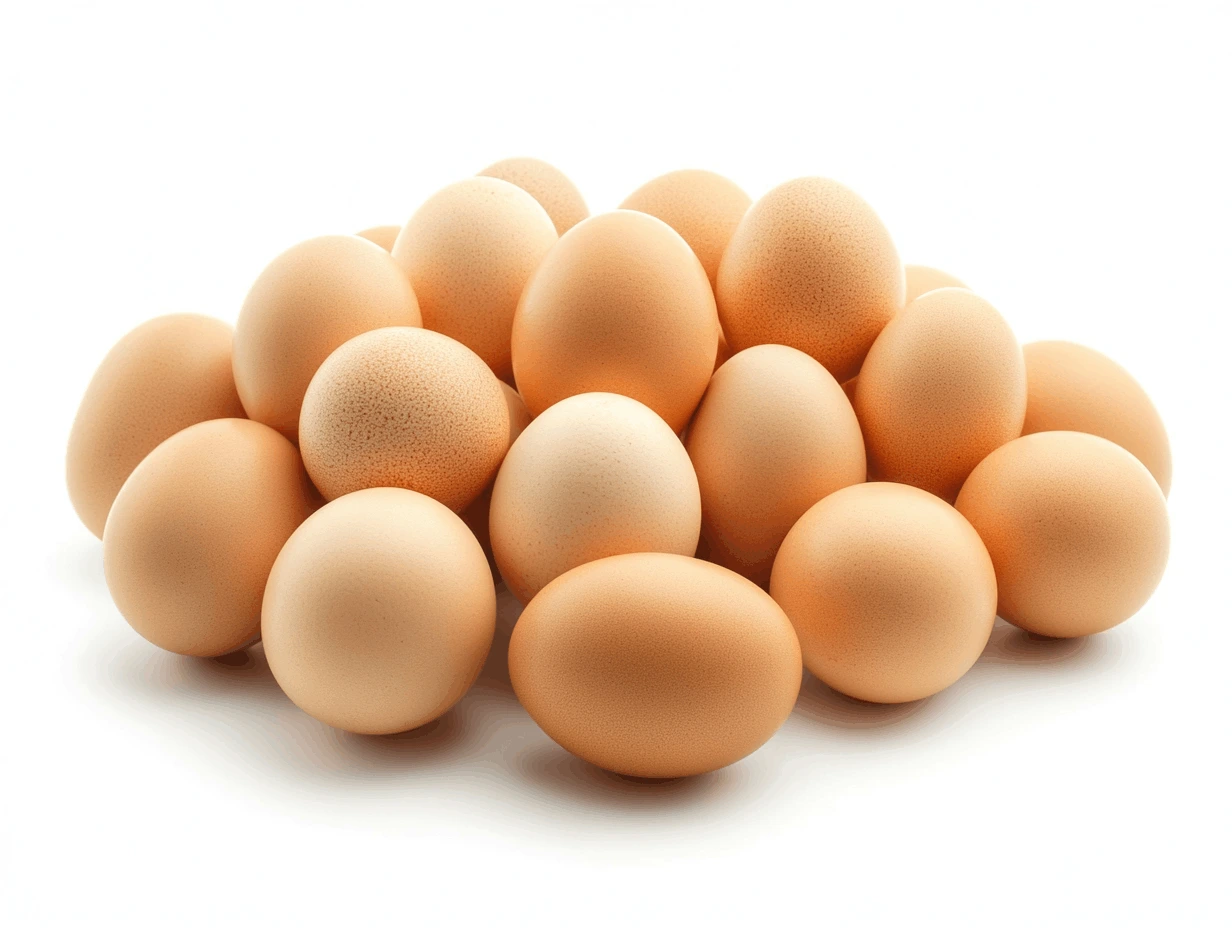
A complete protein source with essential amino acids, vitamins, and healthy fats. Track calories by whole egg, white, or yolk across different preparation methods.
See calories for eggs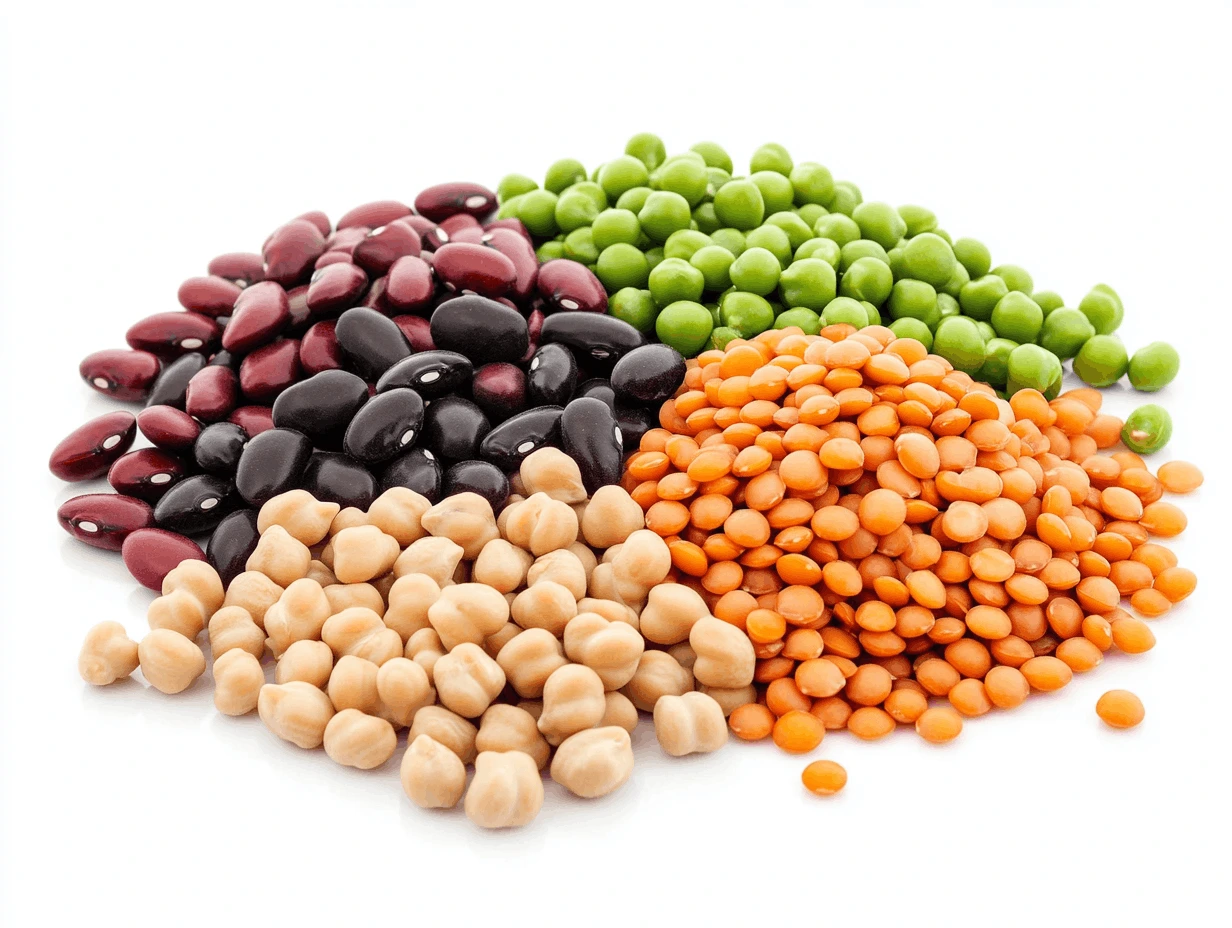
Beans, lentils, and chickpeas pack serious protein and fiber. Compare calories and macros across varieties to find the best plant-based protein sources.
See calories for legumes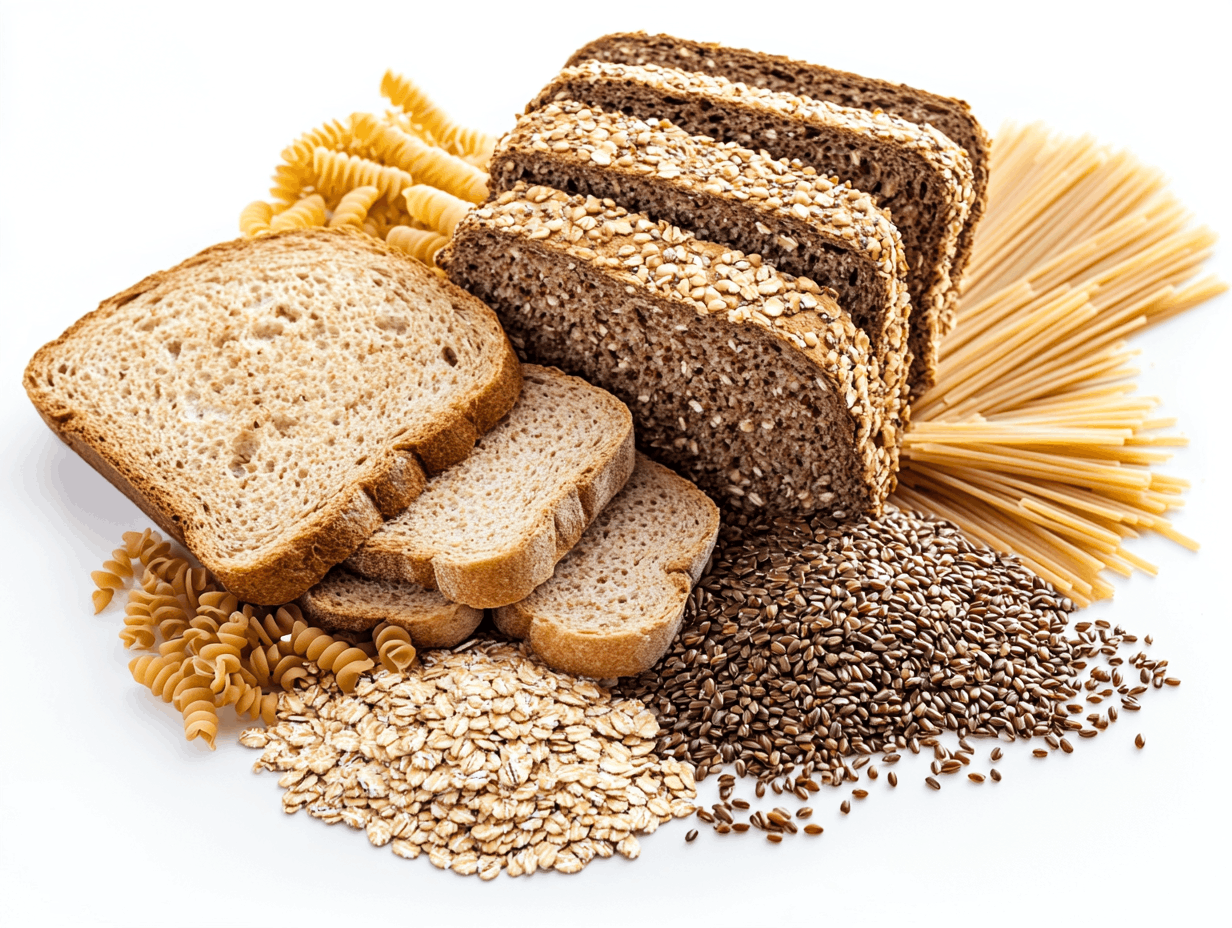
Rice, oats, pasta, and bread are your main source of carbohydrates and energy. Browse by cooked or dry weight and track calories across common staples.
See calories for grains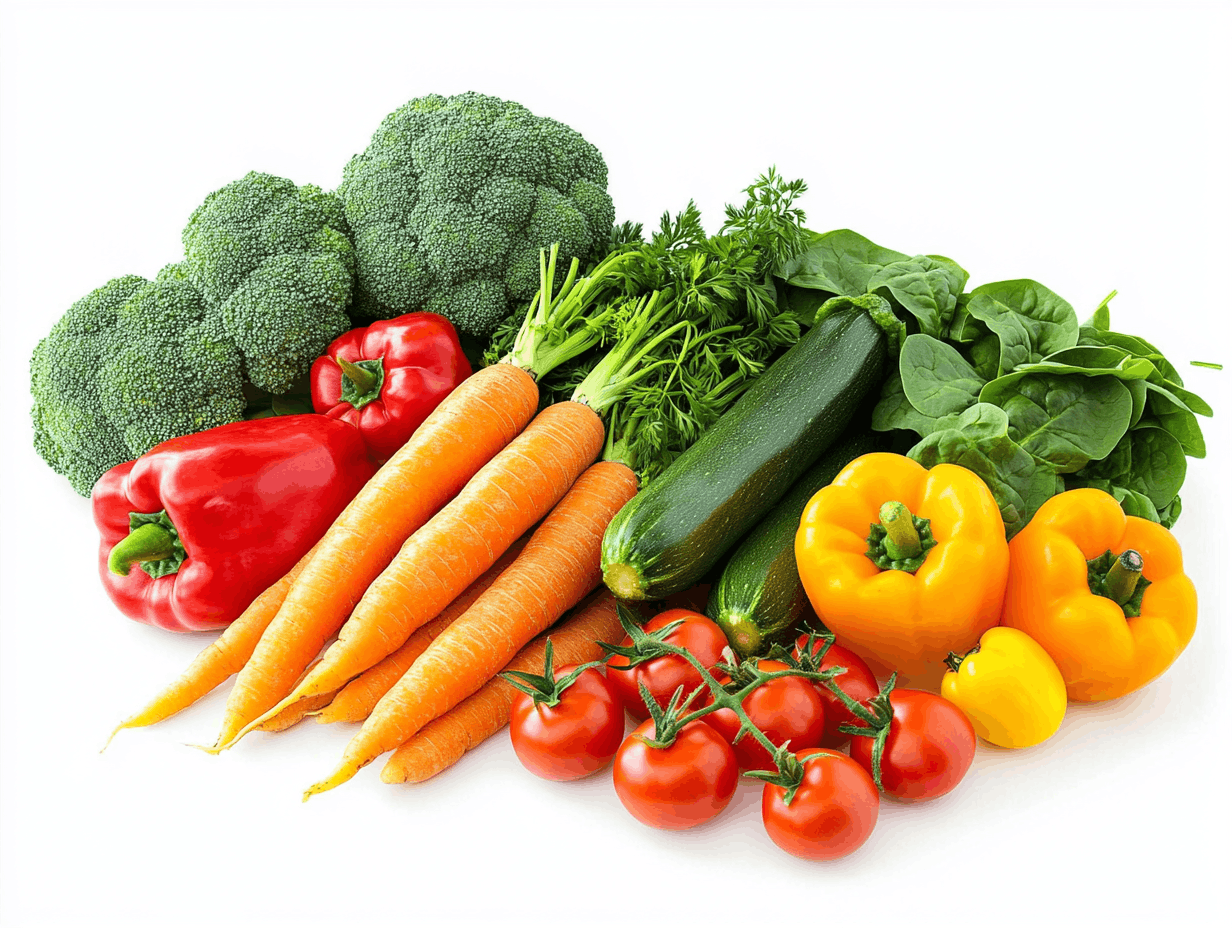
From leafy greens to root vegetables, explore calorie data for every vegetable. Compare raw and cooked values across broccoli, spinach, sweet potato, and more.
See calories for vegetables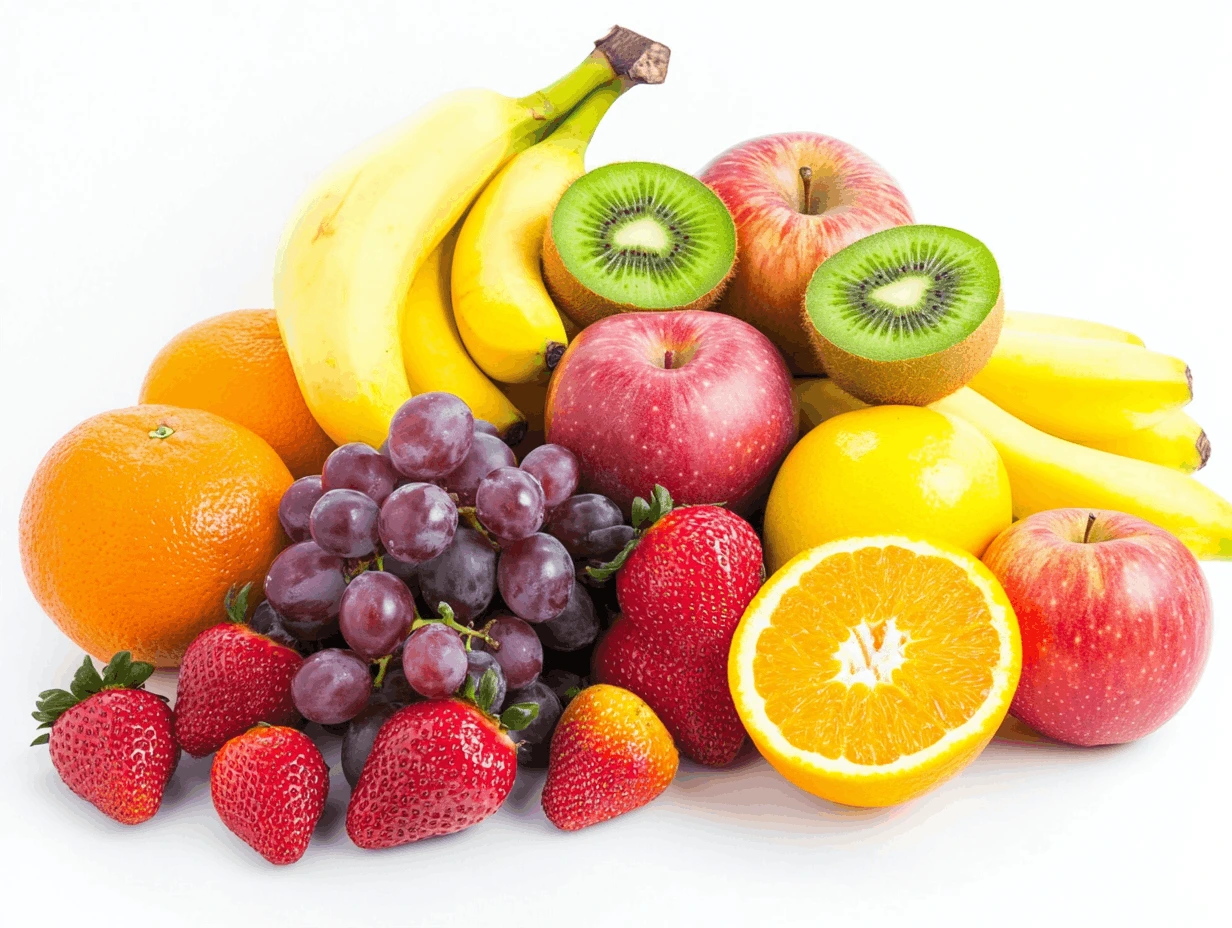
From berries to tropical fruits, get full calorie data for every fresh and dried fruit. Compare low-sugar options and track portions with ease.
See calories for fruits
Chicken, turkey, duck, and more. Full nutritional data for every cut. Compare calories and protein across lean and fatty poultry options.
See calories for poultry
Salmon, tuna, cod, shrimp, and more. Full calorie data for every fish and seafood type, raw and cooked, straight from the USDA database.
See calories for fish & seafoodGet the numbers that actually matter for your health. From body composition to daily calorie targets, our calculators give you a clear, personalized starting point. No account needed.
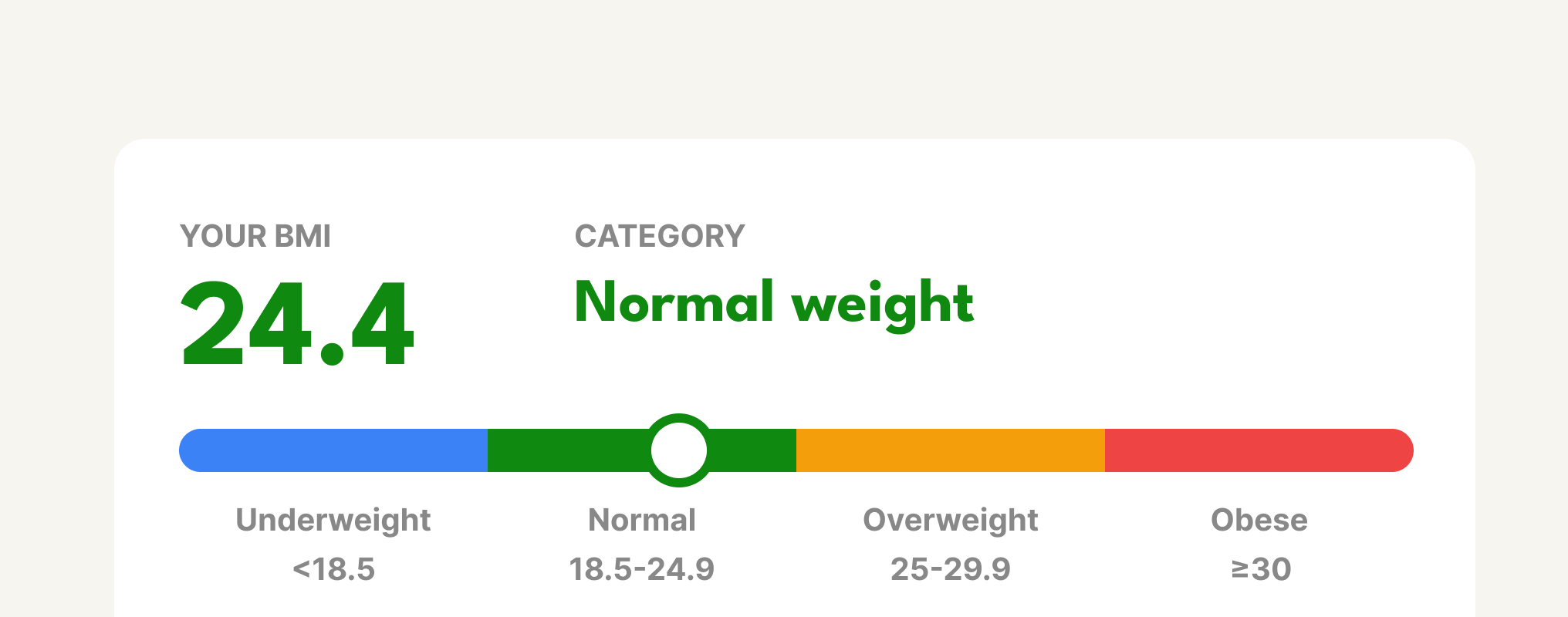
Find out if your weight is in a healthy range for your height. A quick first step to understanding your body and setting realistic health goals.
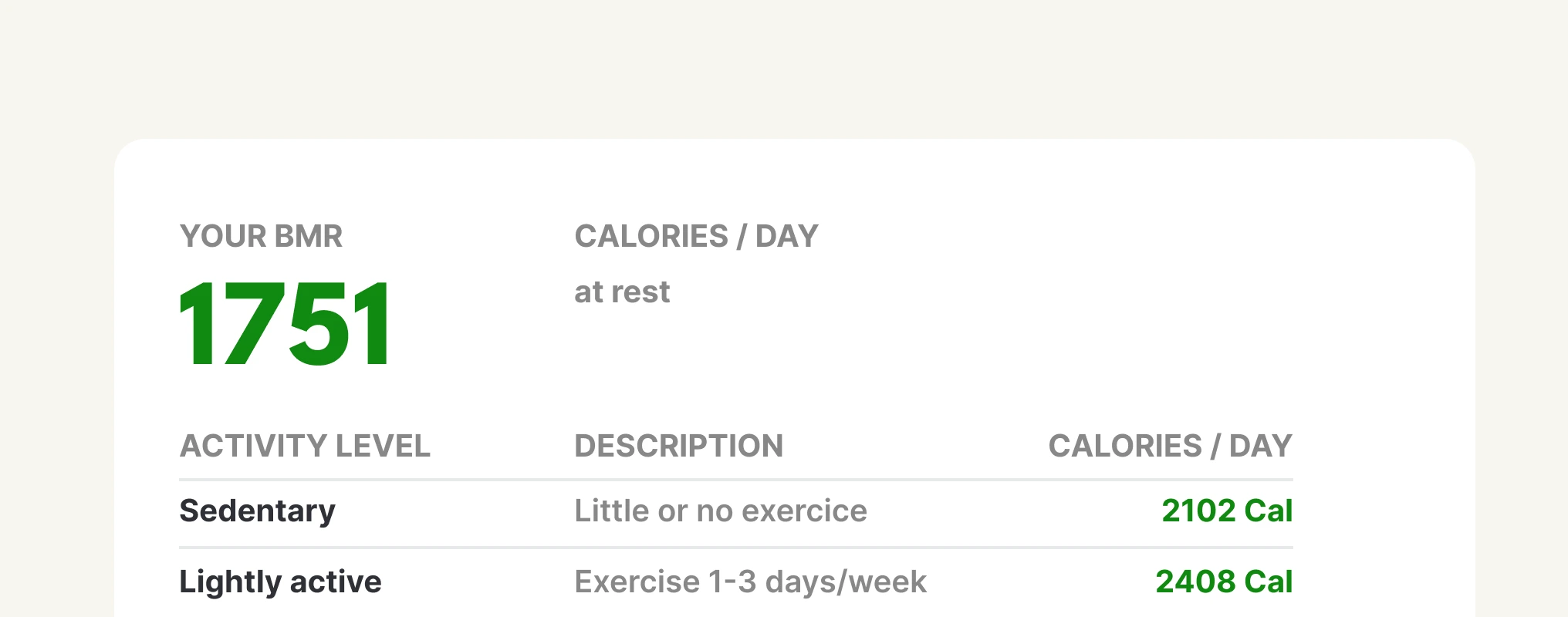
Discover how many calories your body burns at complete rest. Your BMR is the foundation of any smart nutrition or weight management plan.
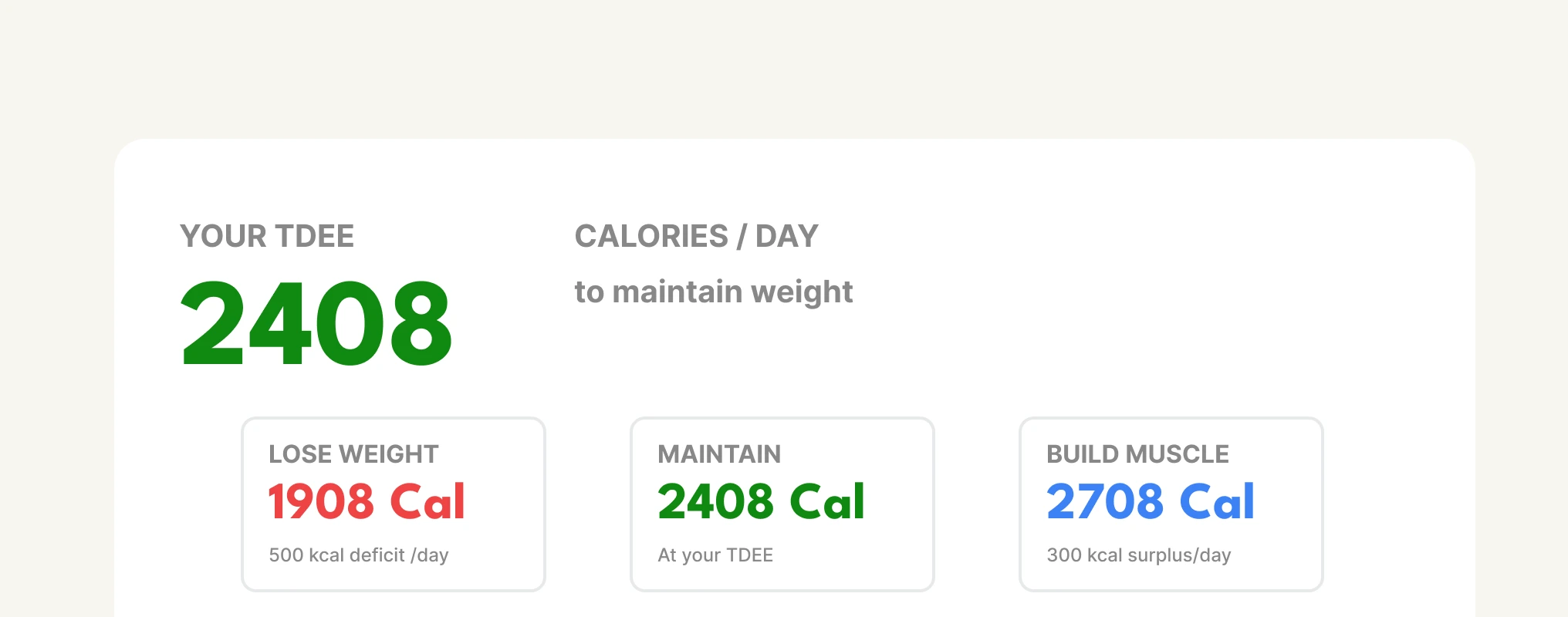
Get the exact number of calories your body needs based on your weight, height, age, and activity level.
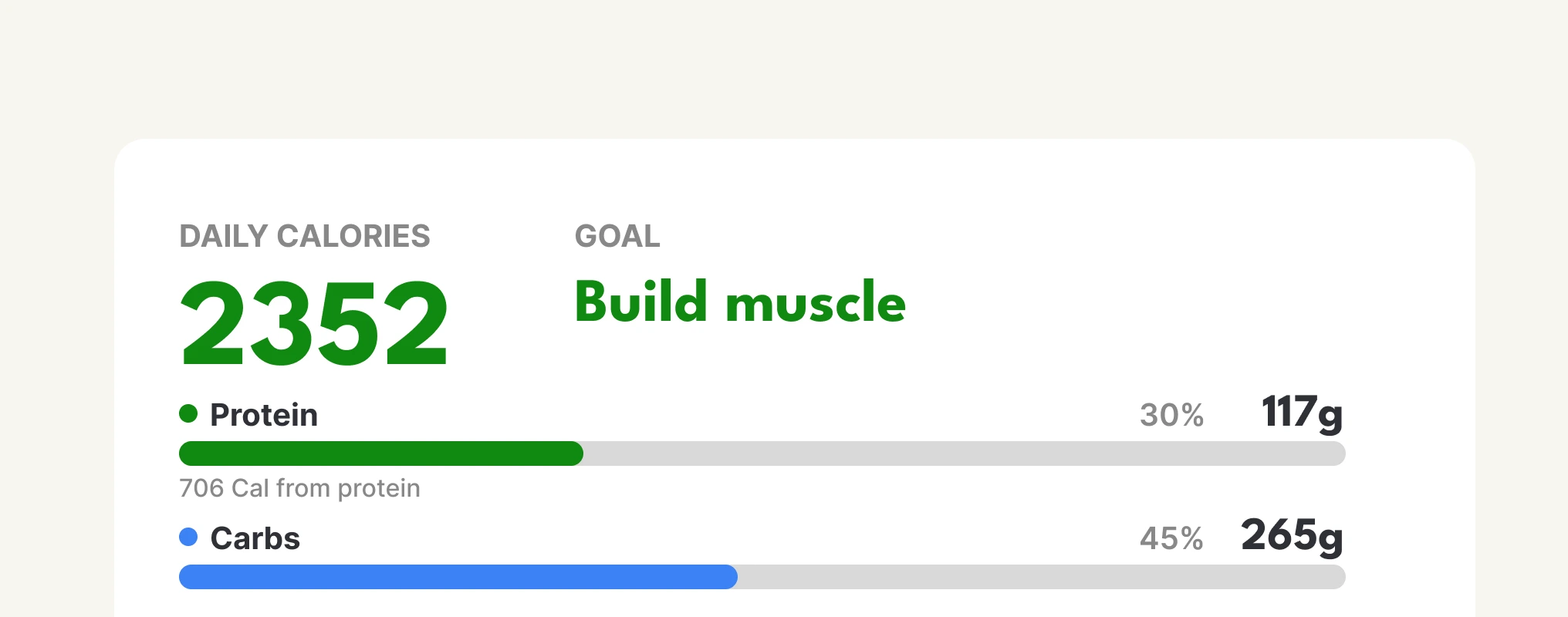
Find your ideal protein, carb, and fat targets based on your goals. Whether you're cutting, bulking, or maintaining, get a macro split tailored to you.
Raw almonds contain approximately 579 calories per 100g with 21.2g of protein, 49.9g of fat, and 12.5g of fibre. A standard 1oz (28g) serving contains approximately 162 calories with 5.9g of protein. Dry roasted almonds are slightly higher at 598 calories per 100g. Almonds are one of the most nutritious nuts, providing significant vitamin E, magnesium, and calcium.
Raw walnuts contain approximately 654 calories per 100g with 15.2g of protein and 65.2g of fat. A 1oz (28g) serving contains approximately 183 calories. Walnuts are the richest nut source of ALA omega-3 fatty acids and are consistently associated with improved cardiovascular health and cognitive function markers in research.
Raw cashews contain approximately 553 calories per 100g with 18.2g of protein, 43.8g of fat, and 30.2g of carbohydrates — notably higher in carbs than most nuts. A 1oz (28g) serving contains approximately 155 calories. Cashews are among the lower-fat nuts but a good source of copper, magnesium, and zinc.
Smooth peanut butter contains approximately 589 calories per 100g with 25.1g of protein and 50.4g of fat. A standard 2-tablespoon (32g) serving contains approximately 188 calories with 8g of protein. Natural peanut butter (just peanuts and salt) is nutritionally superior to commercial varieties with added sugar or hydrogenated oils.
Despite their calorie density, nuts consistently support weight management in research. Their high protein, fat, and fibre content creates strong satiety, reducing overall calorie intake. Additionally, 10 to 20% of the fat in whole nuts is not fully absorbed during digestion. Portion control remains important — a 1oz (28g) serving of mixed nuts provides around 170 calories and should be weighed rather than estimated.
Chia seeds contain approximately 486 calories per 100g with 34.4g of fibre — one of the most fibre-dense foods available. A 1-tablespoon (12g) serving contains approximately 58 calories with 4.1g of fibre. They absorb up to 10 times their weight in water, promoting satiety, and are a good plant-based source of omega-3 ALA.
Macadamia nuts are the highest calorie nut at approximately 718 calories per 100g with 75.8g of fat. Pecans follow at 691 calories per 100g, and pine nuts at 673 calories per 100g. At the lower end, cashews (553 cal/100g) and pistachios (560 cal/100g) are among the least calorie-dense options.
Cashews are the lowest calorie common nut at approximately 553 calories per 100g, followed by pistachios at 560 calories per 100g and almonds at 579 calories per 100g. On a per-serving basis, cashews and pistachios both provide around 155 to 160 calories per 1oz versus 185 to 200 calories for pecans and macadamia nuts.
Raw pumpkin seeds (pepitas) contain approximately 559 calories per 100g with 30.2g of protein — the highest of any common nut or seed. A 1oz (28g) serving contains approximately 156 calories with 8.5g of protein. They are also exceptionally rich in magnesium, zinc, and iron, making them one of the most nutrient-dense snacks available.
Raw sunflower seeds contain approximately 584 calories per 100g with 20.8g of protein and 51.5g of fat. A 1oz (28g) serving contains approximately 164 calories. They are one of the richest dietary sources of vitamin E and also provide significant folate, selenium, and magnesium. Commonly added to salads, yogurt, or eaten as a snack.
Raw pistachios contain approximately 560 calories per 100g with 20.2g of protein and 10.6g of fibre. A 1oz (28g) serving contains approximately 157 calories with 5.7g of protein. Pistachios are one of the lower-calorie, higher-protein nuts and are useful for portion awareness as shelling them while eating naturally slows consumption rate.
Flaxseeds contain approximately 534 calories per 100g with 27.3g of fibre and 42.2g of fat. A 1-tablespoon (10g) serving contains approximately 53 calories. They are the richest plant source of ALA omega-3 fatty acids. For optimal absorption, flaxseeds should be ground before eating as whole seeds often pass through the digestive system largely intact.
Hulled hemp seeds contain approximately 553 calories per 100g with 31.6g of protein — one of the highest protein seeds available. A 3-tablespoon (30g) serving contains approximately 166 calories with 9.5g of protein. Hemp seeds are a complete protein containing all essential amino acids, making them particularly valuable in plant-based diets.
Always weigh nuts and seeds in grams — handful estimates can be off by 2 to 3 times. A handful of almonds can range from 15g to 45g, a difference of up to 150 calories. Use a kitchen scale and measure a 1oz (28g) portion into a bowl. For nut butters, use a measuring spoon. Pre-portioning into small bags is one of the most effective strategies for managing intake while still benefiting from their nutrition.