Calories in Poultry
Chicken, turkey, duck, and more. Full calorie data for every cut, straight from the USDA database. Look up calories per 100g or per serving, in metric or imperial.
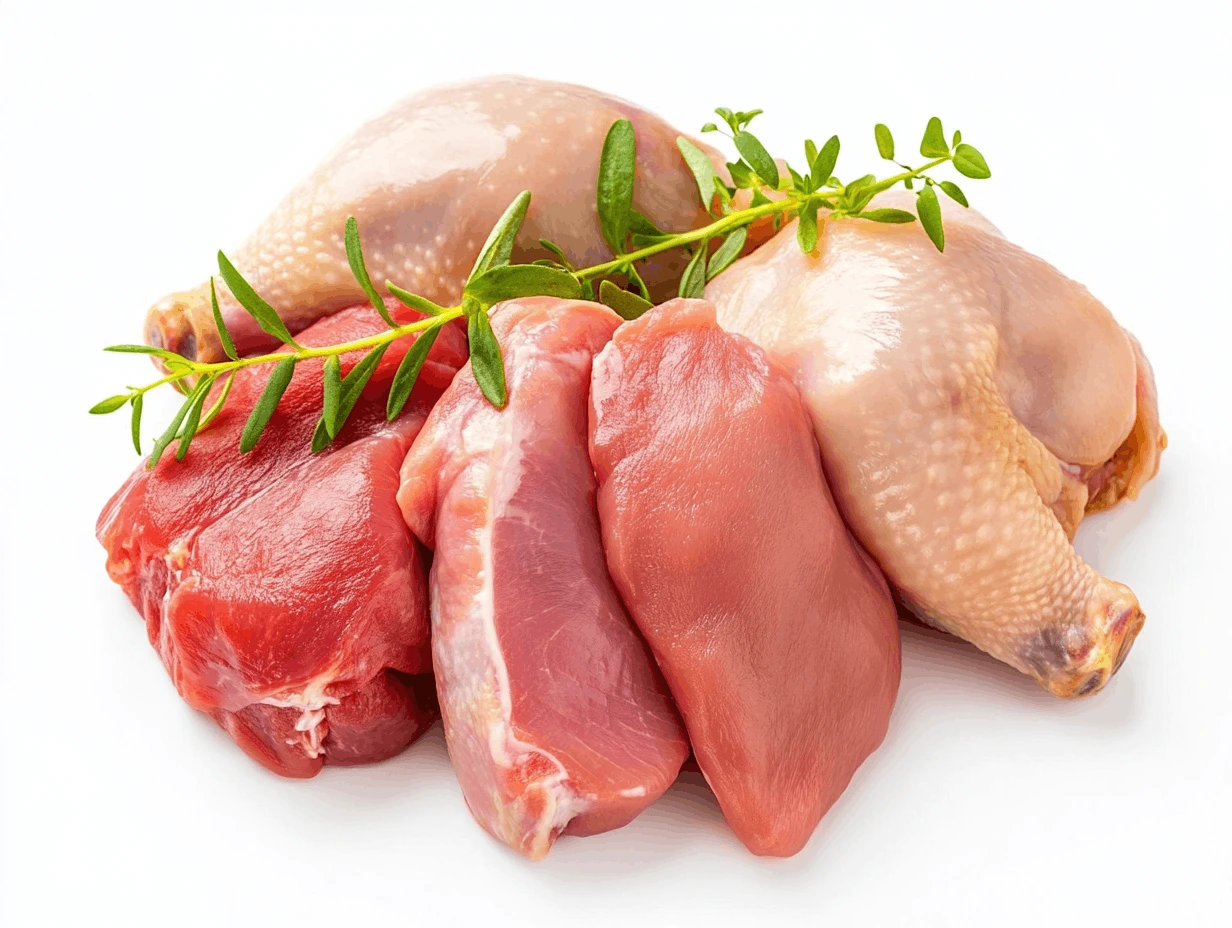
Chicken, turkey, duck, and more. Full calorie data for every cut, straight from the USDA database. Look up calories per 100g or per serving, in metric or imperial.
| Food | Serving | Calories |
|---|---|---|
| Chicken Breast, Skinless Raw | 1 breast (174g) | 120 Cal |
| Chicken Breast, Skinless Roasted | 1 breast (172g) | 165 Cal |
| Chicken Breast, Skinless Braised | 1 breast (172g) | 157 Cal |
| Chicken Breast, Skinless Grilled | 1 breast (172g) | 151 Cal |
| Chicken Breast, With Skin Roasted | 1 breast (196g) | 197 Cal |
| Chicken Thigh, Skinless Raw | 1 thigh (116g) | 121 Cal |
| Chicken Thigh, Skinless Roasted | 1 thigh (109g) | 179 Cal |
| Chicken Thigh, With Skin Roasted | 1 thigh (130g) | 232 Cal |
| Chicken Drumstick, Skinless Raw | 1 drumstick (88g) | 116 Cal |
| Chicken Drumstick, Skinless Roasted | 1 drumstick (85g) | 155 Cal |
| Chicken Drumstick, With Skin Roasted | 1 drumstick (110g) | 191 Cal |
| Chicken Wing, Meat Only Roasted | 1 wing (34g) | 203 Cal |
| Chicken Wing, With Skin Roasted | 1 wing (49g) | 254 Cal |
| Chicken, Whole Bird Roasted (Meat Only) | 3 oz (85g) | 190 Cal |
| Ground Chicken, Raw | 100g | 143 Cal |
| Ground Chicken, Pan-Browned | 100g | 189 Cal |
| Rotisserie Chicken, Breast (Skinless) | 3 oz (85g) | 137 Cal |
| Rotisserie Chicken, Thigh (Skinless) | 1 thigh (80g) | 196 Cal |
| Cornish Hen, Skinless Roasted | ½ hen (200g) | 134 Cal |
| Cornish Hen, With Skin Roasted | ½ hen (236g) | 259 Cal |
| Turkey Breast, Skinless Raw | 100g | 114 Cal |
| Turkey Breast, Skinless Roasted | 3 oz (85g) | 147 Cal |
| Turkey Breast, With Skin Roasted | 3 oz (85g) | 189 Cal |
| Turkey Breast, Pre-Basted Roasted | 3 oz (85g) | 126 Cal |
| Turkey Dark Meat, Skinless Raw | 100g | 108 Cal |
| Turkey Dark Meat, Skinless Roasted | 3 oz (85g) | 173 Cal |
| Turkey Leg, With Skin Roasted | 1 leg (245g) | 208 Cal |
| Turkey Wing, With Skin Roasted | 1 wing (186g) | 235 Cal |
| Turkey, Whole Bird Roasted (Meat Only) | 3 oz (85g) | 159 Cal |
| Turkey, Whole Bird Roasted (Meat & Skin) | 3 oz (85g) | 189 Cal |
| Ground Turkey, Raw | 100g | 148 Cal |
| Ground Turkey, Cooked | 100g | 203 Cal |
| Duck, Domestic Whole Roasted (Meat & Skin) | 3 oz (85g) | 337 Cal |
| Duck, Domestic Roasted (Meat Only) | 3 oz (85g) | 201 Cal |
| Duck, Domestic Raw (Meat Only) | 100g | 135 Cal |
| Duck Breast, Skinless Broiled | 1 breast (120g) | 140 Cal |
| Wild Duck Breast, Raw | 1 breast (120g) | 123 Cal |
| Goose, Domestic Roasted (Meat & Skin) | 3 oz (85g) | 305 Cal |
| Goose, Domestic Roasted (Meat Only) | 3 oz (85g) | 238 Cal |
| Goose, Domestic Raw (Meat Only) | 100g | 161 Cal |
| Quail, Cooked (Total Edible) | 1 quail (100g) | 227 Cal |
| Quail, Meat & Skin Raw | 1 quail (109g) | 192 Cal |
| Quail Breast, Skinless Raw | 1 breast (56g) | 123 Cal |
| Pheasant, Cooked (Total Edible) | 3 oz (85g) | 239 Cal |
| Pheasant Breast, Skinless Raw | 1 breast (170g) | 133 Cal |
| Ostrich, Inside Leg Raw | 100g | 111 Cal |
| Ostrich, Inside Leg Cooked | 100g | 141 Cal |
| Ground Ostrich, Raw | 100g | 165 Cal |
| Emu Fan Fillet, Raw | 100g | 103 Cal |
| Guinea Hen, Meat & Skin Raw | 100g | 158 Cal |
Data source: USDA FoodData Central. Values are approximate and may vary by brand, preparation, and cooking method.
Poultry (including chicken, turkey, duck, and game birds) is one of the most widely consumed protein sources in the world, and for good reason. It delivers complete protein with all essential amino acids, fits into almost every dietary pattern, and can be prepared in hundreds of ways.
Lean cuts like chicken breast and turkey breast are particularly valuable for people managing their calorie intake. With as few as 120 calories and over 22g of protein per 100g, they provide a high satiety-to-calorie ratio that makes them a staple in weight loss, muscle-building, and athletic nutrition plans.
Dark meat cuts like thighs, drumsticks, and wings contain more fat and therefore more calories, but they also bring more flavour, iron, zinc, and B vitamins to the plate. The difference in fat content comes largely from myoglobin, a protein in muscles that receive more sustained activity.
The single most impactful choice you can make when eating poultry for nutrition is whether to include the skin. Poultry skin is primarily made of fat and can increase the calorie count of a piece by 30–50%.
For example, a skin-on roasted chicken thigh has around 270 calories per 100g, while the skinless version has approximately 209 calories, a meaningful difference if you're tracking macros closely.
That said, the fat in poultry skin is not exclusively saturated. It contains a significant proportion of monounsaturated fatty acids, similar to olive oil. If you're not in a strict calorie deficit, skin-on poultry can absolutely fit into a balanced diet.
Browse calories and macros across all food groups in our USDA-backed nutrition database.
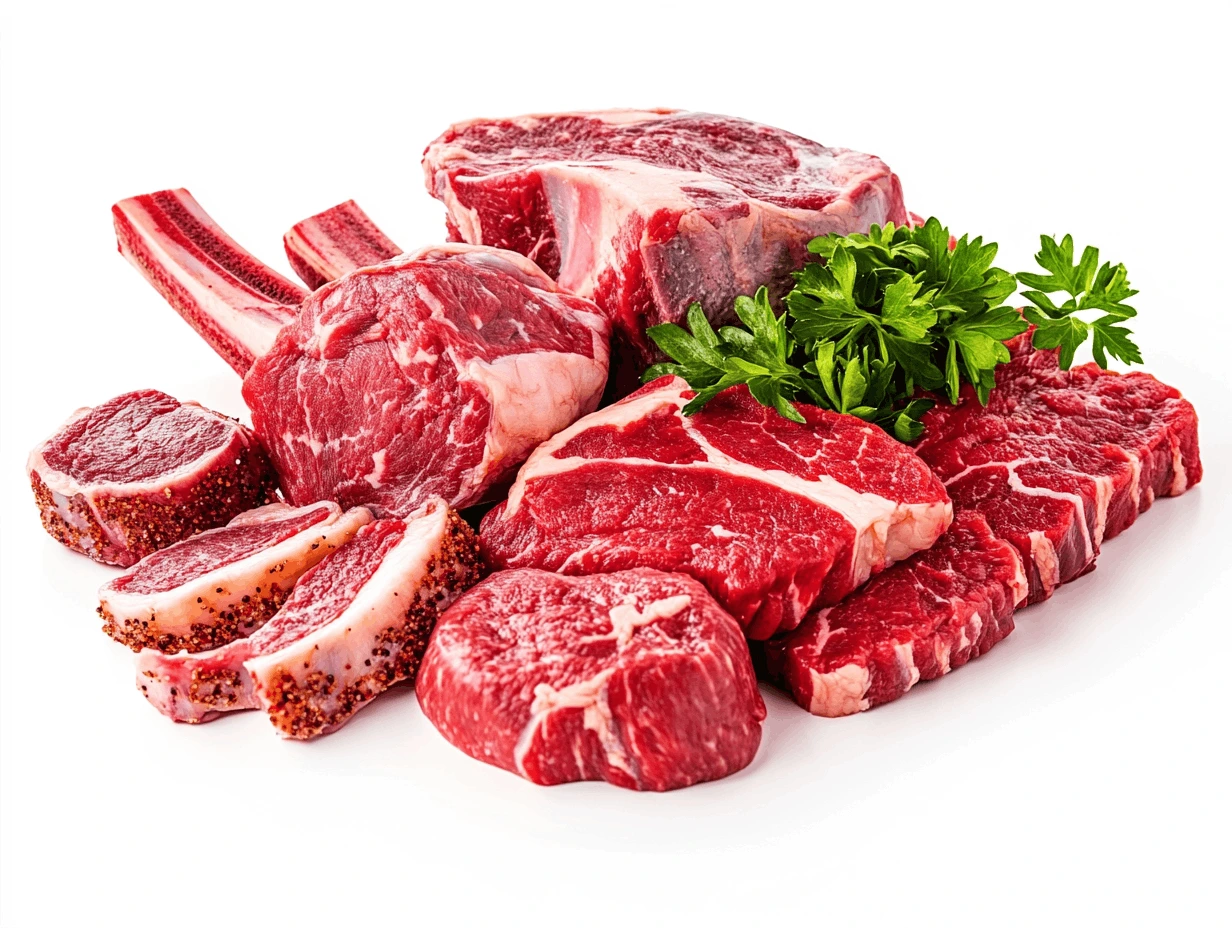
From ground beef to steak cuts, explore calories, protein, and fat across every variety. Compare lean vs. fatty cuts and track macros by raw or cooked weight.
See calories for beef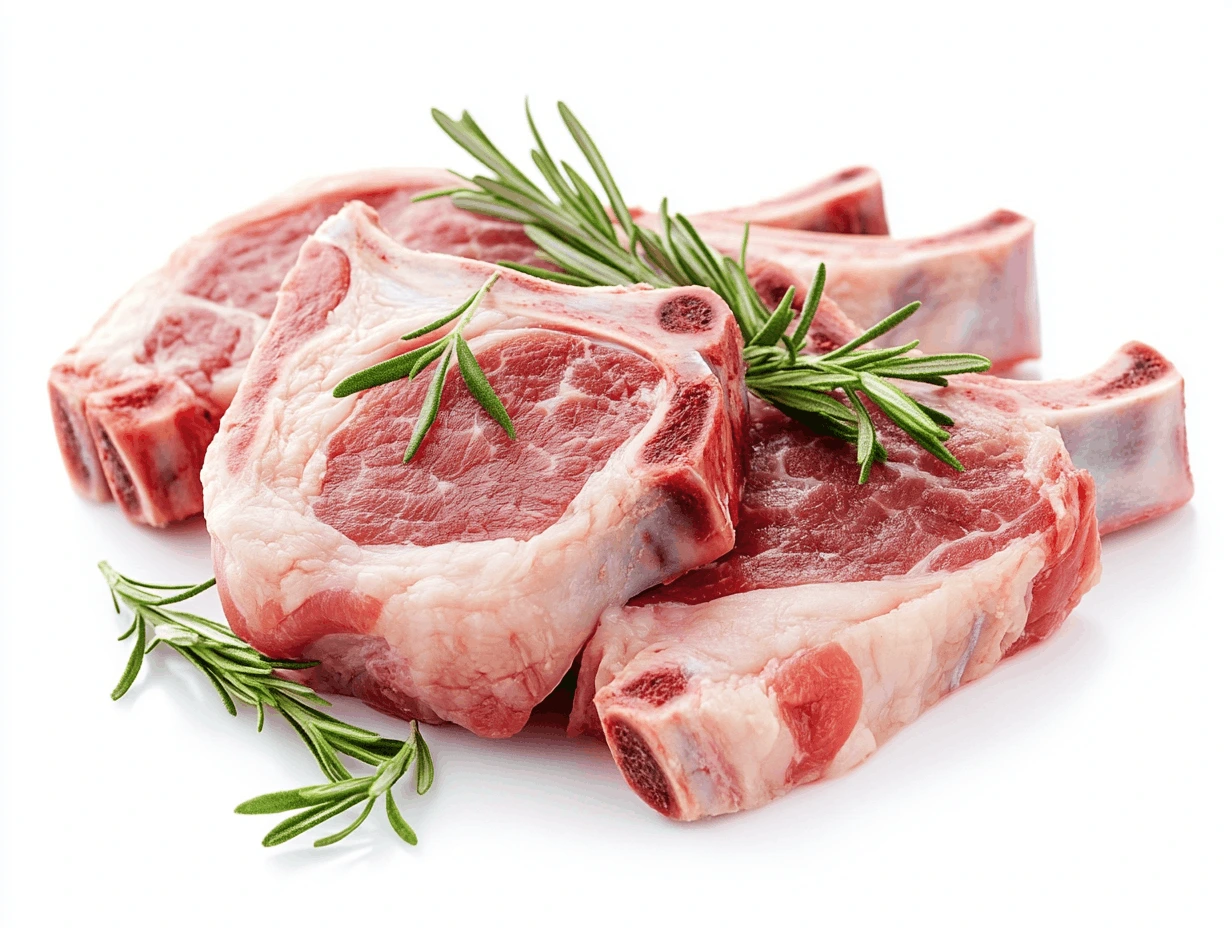
Pork offers versatile cuts from lean tenderloin to rich belly. Compare calories and macros across chops, ribs, and ground pork to make informed choices.
See calories for pork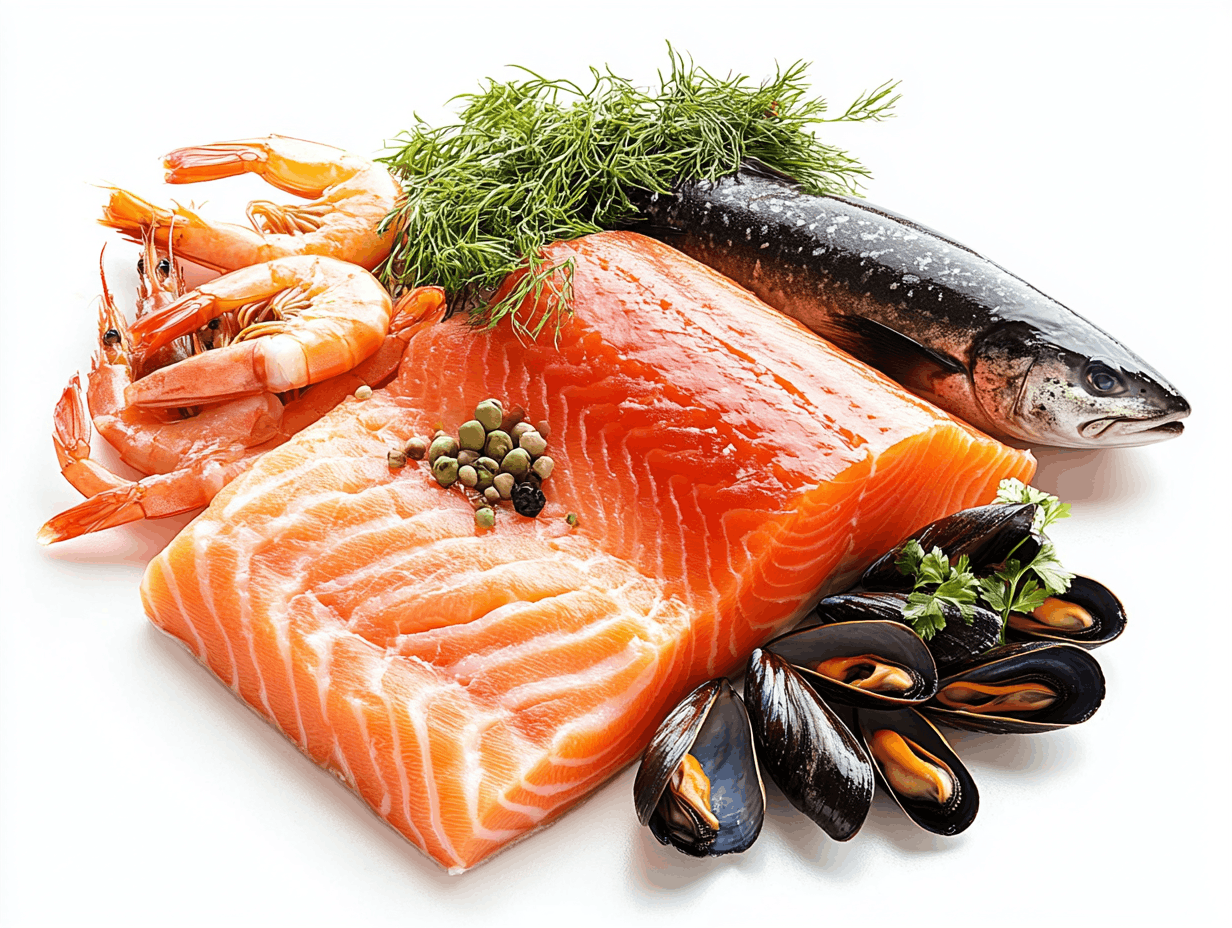
Rich in omega-3s and lean protein, fish and seafood are among the healthiest animal foods. Compare calories across salmon, tuna, shrimp, and more.
See calories for fish & seafood
A complete protein source with essential amino acids, vitamins, and healthy fats. Track calories by whole egg, white, or yolk across different preparation methods.
See calories for eggs
Milk, yogurt, and cream offer calcium and protein in every serving. Compare full-fat vs. low-fat options and track macros across your favourite dairy staples.
See calories for dairy products
Low in calories and high in nutrients, vegetables are the backbone of any healthy diet. Browse by raw or cooked portions and track fiber, vitamins, and macros.
See calories for vegetables
From berries to tropical fruits, explore calories, sugar, and fiber at a glance. Compare by piece or cup and see how natural sweetness fits your daily goals.
See calories for fruits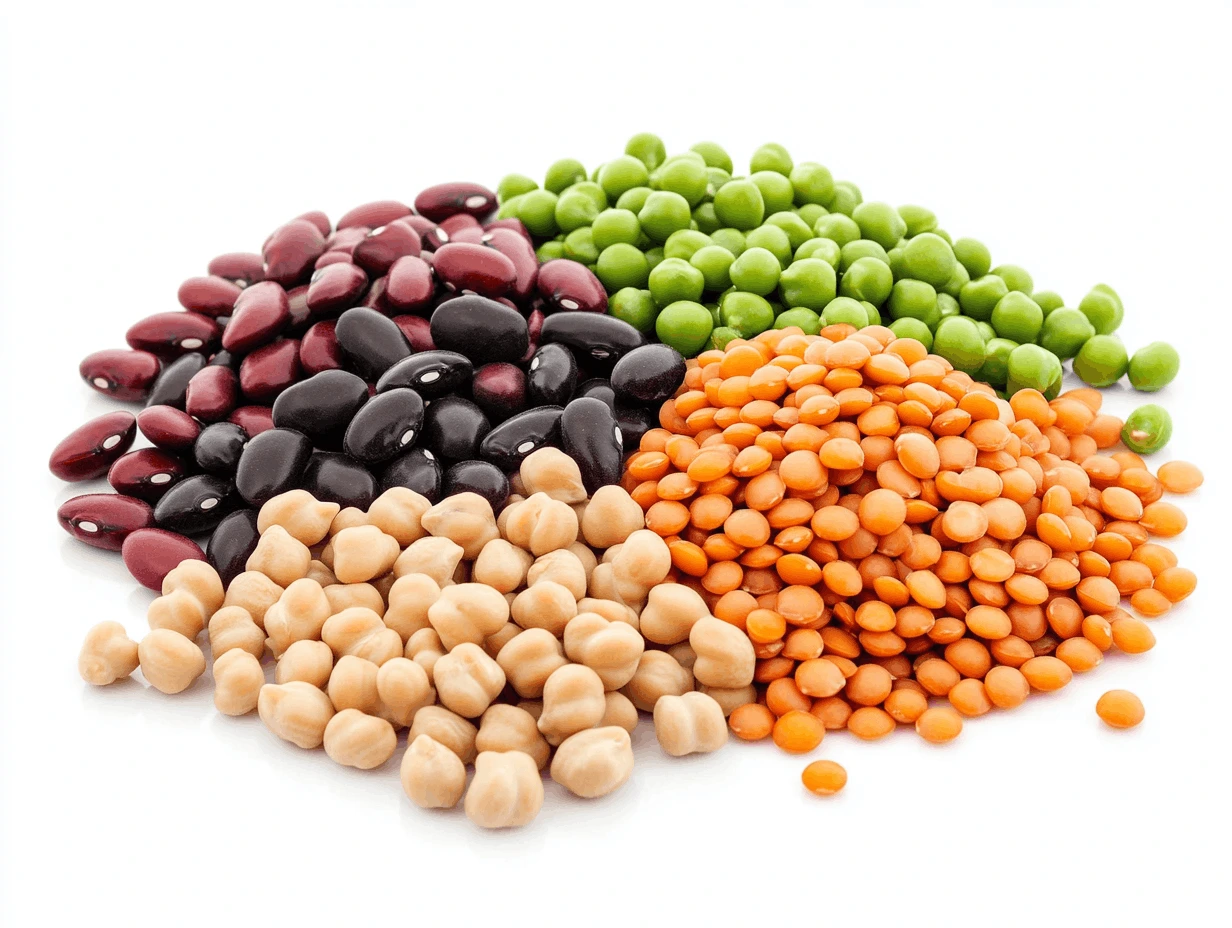
Beans, lentils, and chickpeas pack serious protein and fiber. Compare calories and macros across varieties to find the best plant-based protein sources.
See calories for legumes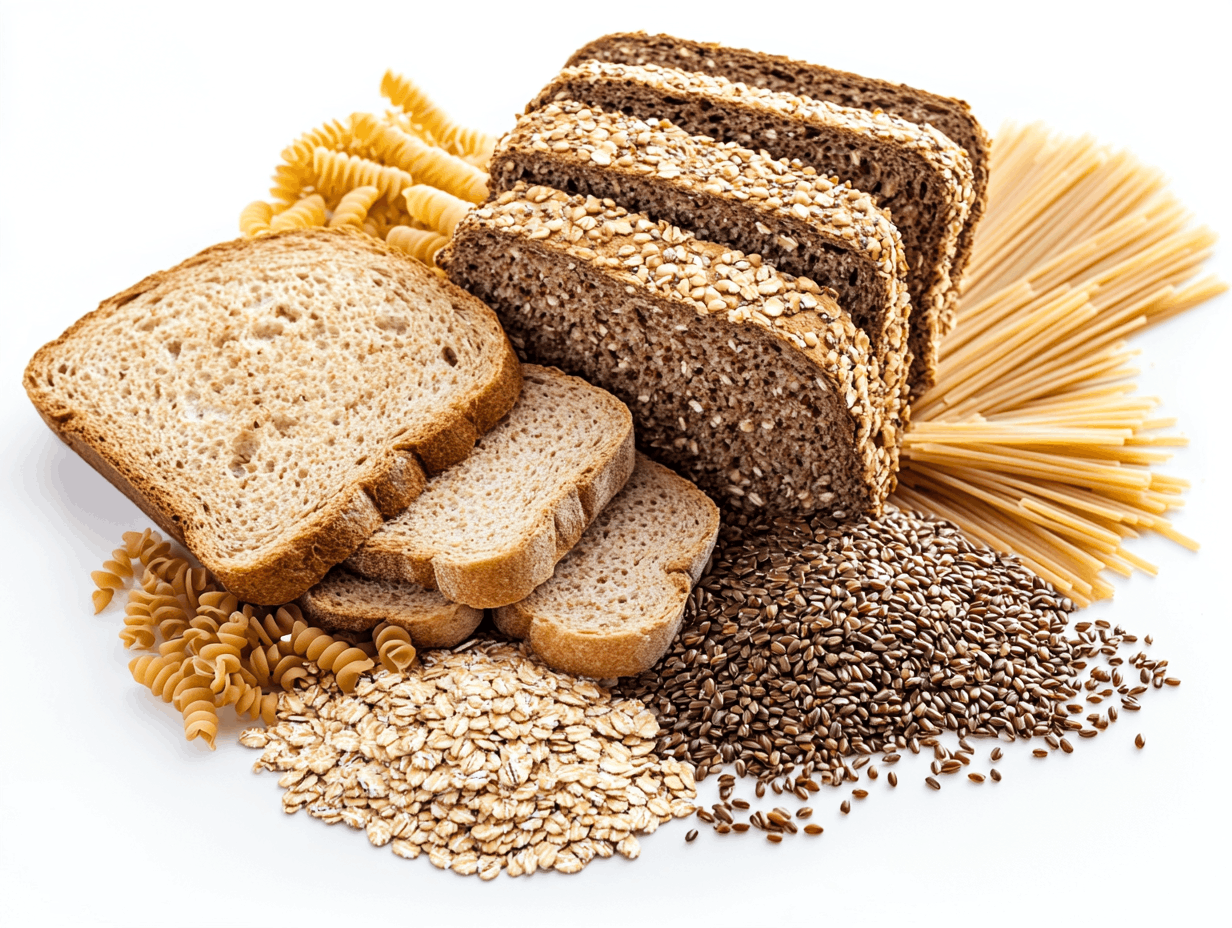
Rice, oats, pasta, and bread: grains are your main source of carbohydrates and energy. Browse by cooked or dry weight and track calories across common staples.
See calories for grains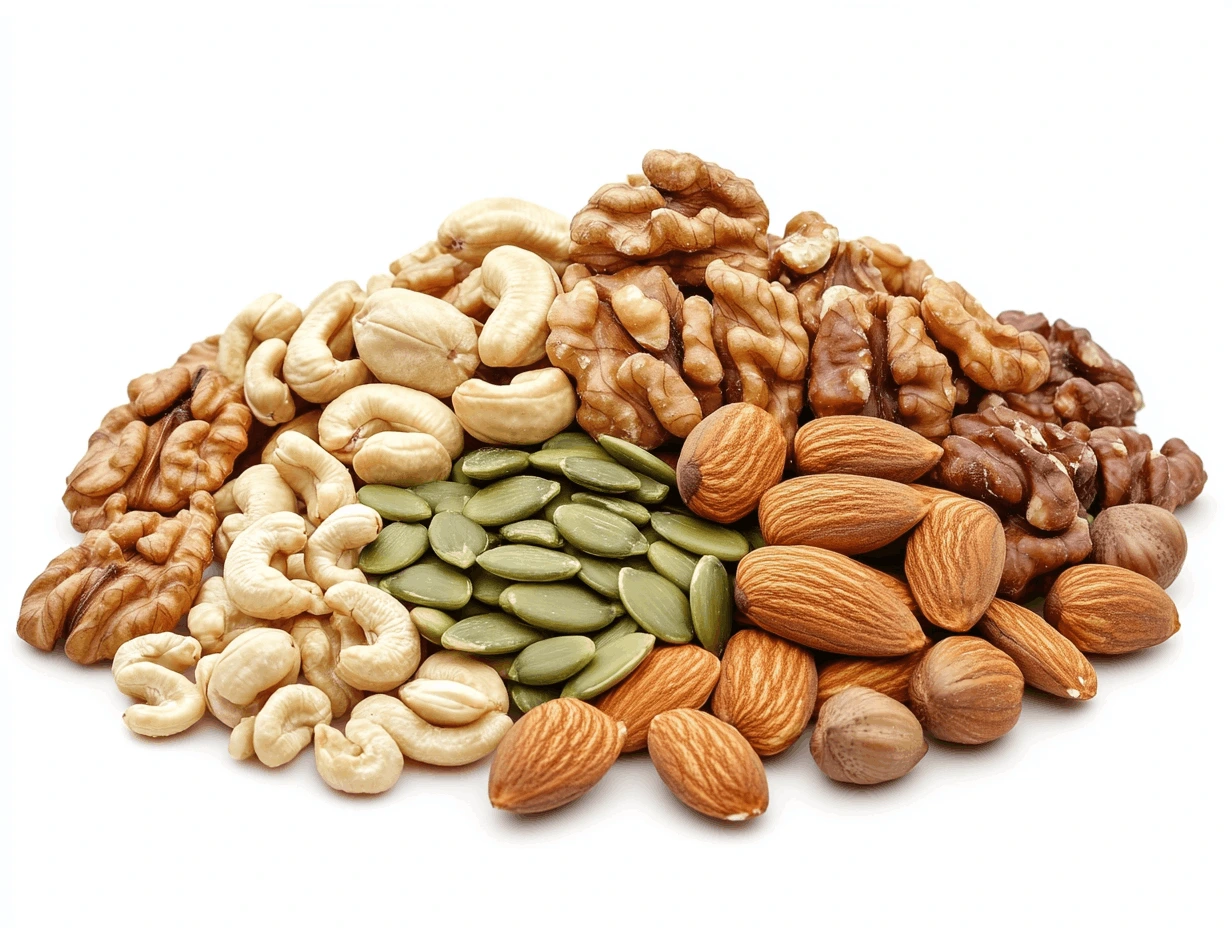
Calorie-dense and rich in healthy fats, nuts and seeds make every gram count. Compare protein, fat, and carb content across varieties to optimize snacking.
See calories for nuts & seeds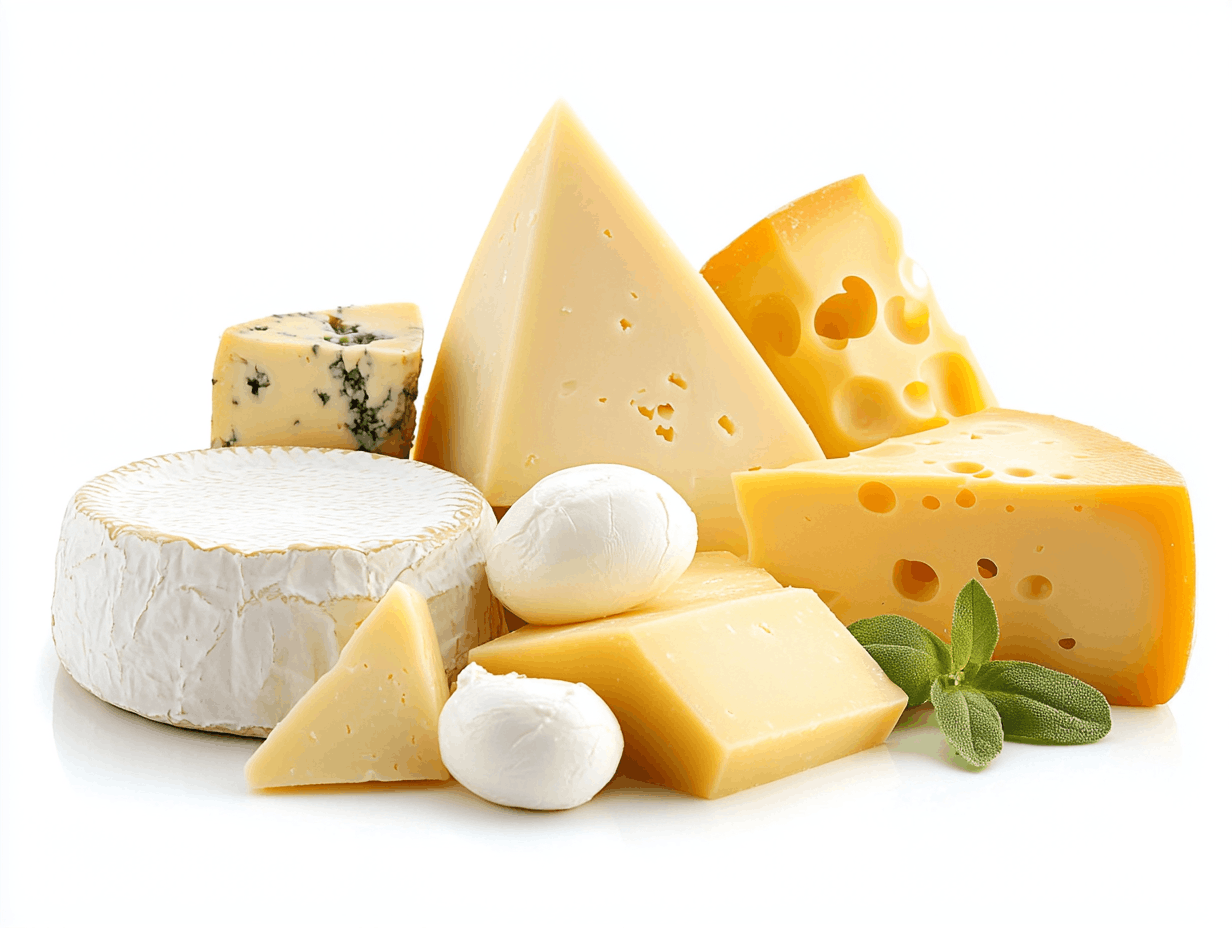
From fresh mozzarella to aged parmesan, cheese is rich in protein, fat, and calcium. Compare calories and macros across varieties and track portions by slice or gram.
See calories for cheeseGet the numbers that actually matter for your health. From body composition to daily calorie targets, our calculators give you a clear, personalized starting point. No account needed.
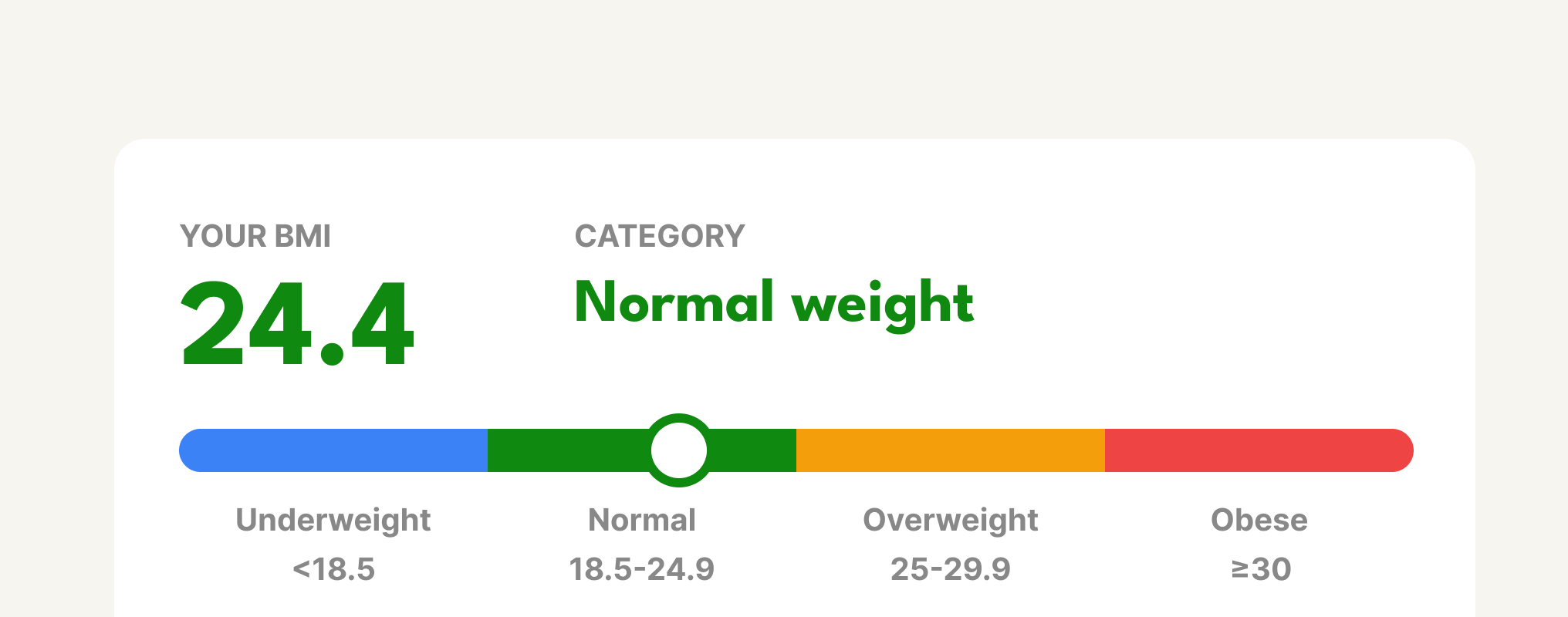
Find out if your weight is in a healthy range for your height. A quick first step to understanding your body and setting realistic health goals.
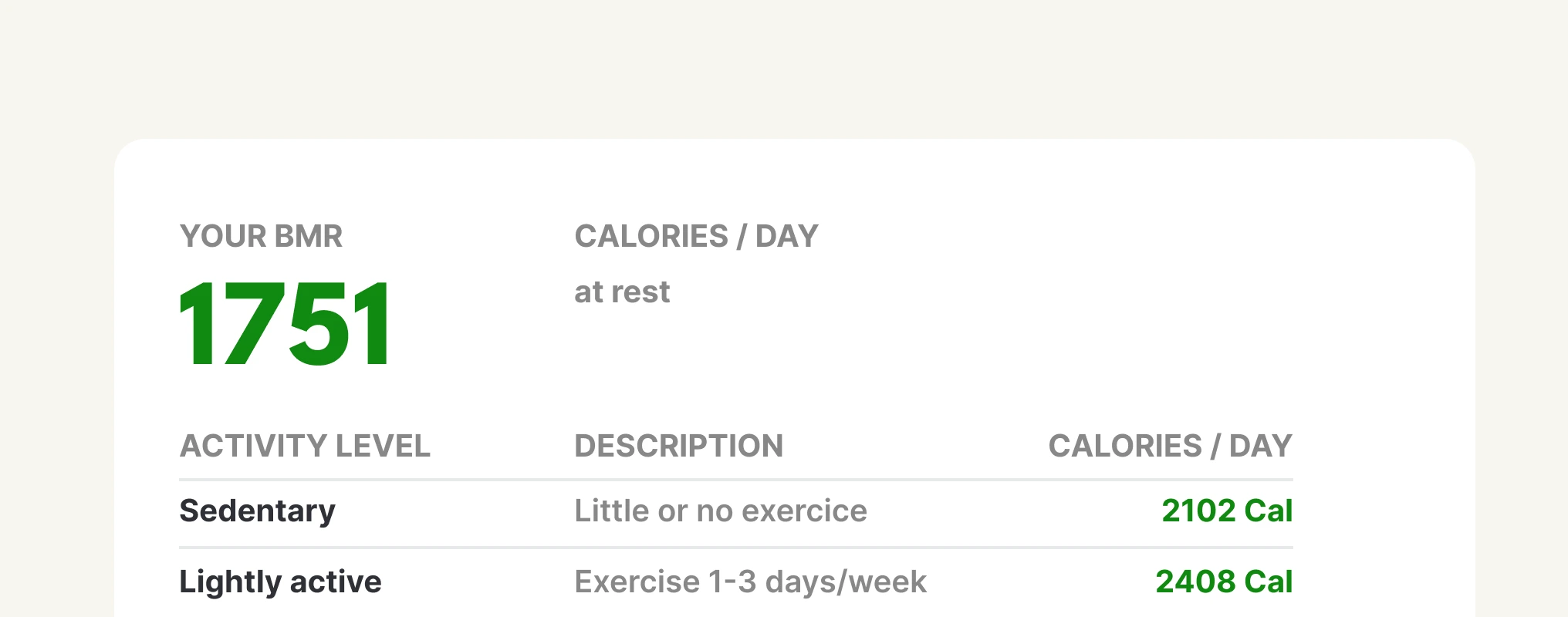
Discover how many calories your body burns at complete rest. Your BMR is the foundation of any smart nutrition or weight management plan.
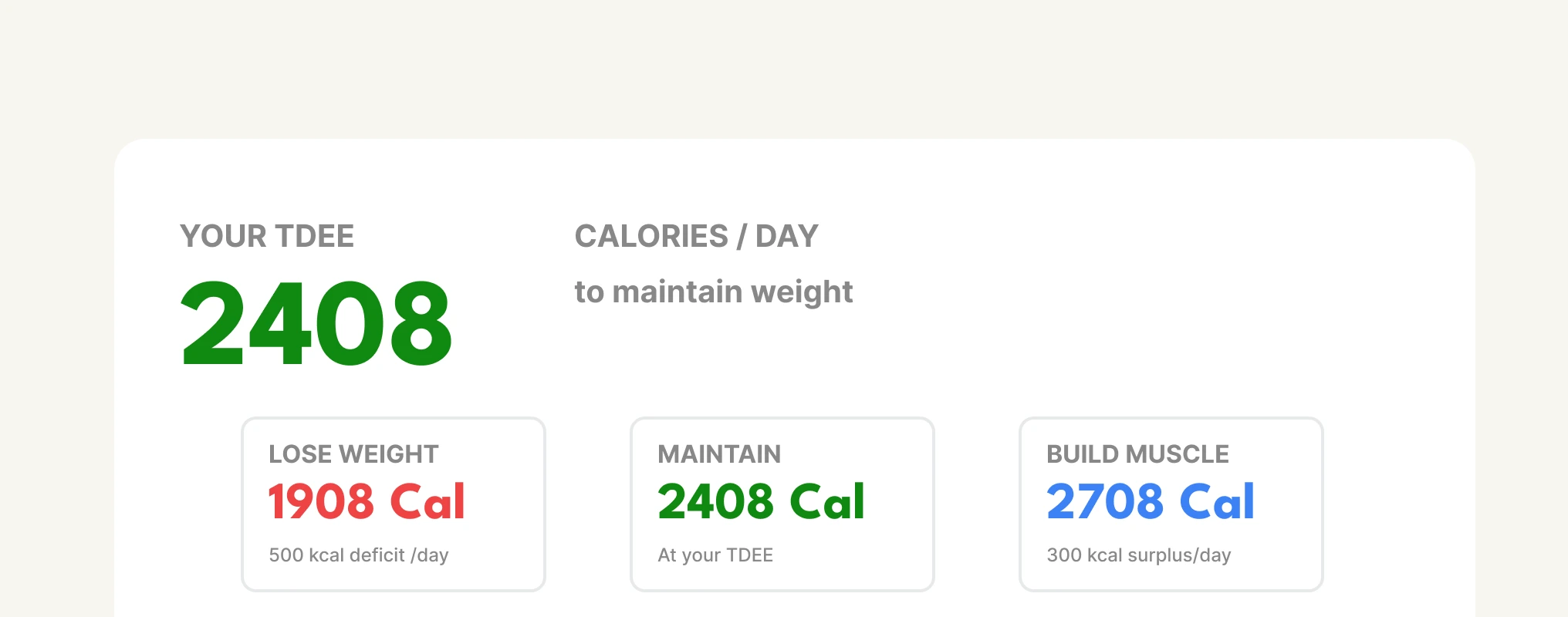
Get the exact number of calories your body needs based on your weight, height, age, and activity level.
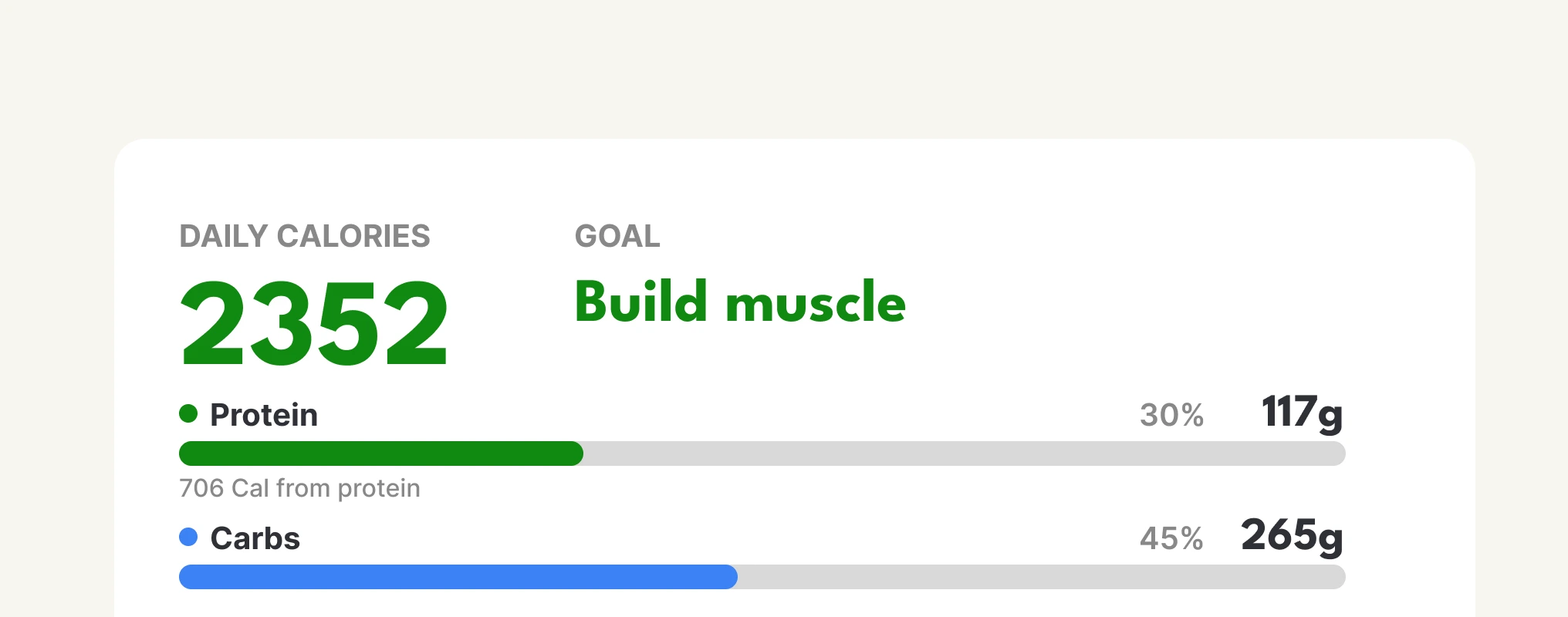
Find your ideal protein, carb, and fat targets based on your goals. Whether you're cutting, bulking, or maintaining, get a macro split tailored to you.
The calorie content of poultry varies depending on the type of bird, the cut, and how it's prepared. As a general guide, a 100g serving of cooked poultry ranges from as low as 114 calories for skinless chicken breast all the way up to 330+ calories for roasted duck with skin. Leaner cuts without skin are always the lower-calorie option, while dark meat and skin add significant calories. No matter which poultry you choose, it remains one of the most protein-dense, calorie-efficient food groups available. making it a staple in healthy, balanced diets around the world.
Yes, chicken is widely considered a heart-friendly protein choice, particularly skinless white meat like chicken breast. It's low in saturated fat compared to red meat, which makes it a much better option for people managing cholesterol levels or cardiovascular health. The key is in the preparation. grilled, baked, or poached chicken is excellent for heart health, while fried chicken or dishes made with heavy sauces can add saturated fat and sodium that aren't ideal. For heart patients, skinless chicken breast is one of the best protein sources to include regularly in a balanced diet.
In most cases, yes. Poultry. especially white meat like chicken and turkey breast. tends to be lower in saturated fat and calories than most red meats like beef, pork, or lamb. High saturated fat intake is associated with raised LDL cholesterol and an increased risk of heart disease, which is why health organizations often recommend choosing poultry over red meat for everyday eating. That said, not all poultry is leaner than all red meat. duck and goose, for example, are quite fatty. and not all red meat is unhealthy. Lean cuts of beef or pork can also be part of a healthy diet. Overall though, poultry is a consistently smart and versatile choice for health-conscious eaters.
Skinless chicken breast takes the top spot as the lowest calorie poultry option, coming in at around 110–120 calories per 100g when cooked. Turkey breast is a very close second, with a similar calorie profile. Quail is another surprisingly lean option. The common thread across all low-calorie poultry is removing the skin. skin adds a significant amount of fat and calories to any bird. If keeping calories low is a priority, opt for white meat cuts, skip the skin, and choose cooking methods like grilling, steaming, or baking over frying or roasting in oil.
Absolutely. poultry is one of the best food groups you can lean on when trying to lose weight. It's high in protein, which is the most satiating macronutrient, meaning it keeps you feeling full and satisfied for longer and reduces the urge to snack. Protein also has a higher thermic effect than carbs or fat, meaning your body burns more calories just digesting it. Lean poultry like chicken breast and turkey breast are low in calories and fat while being incredibly versatile in the kitchen. easy to meal prep, pair with vegetables, and fit into virtually any dietary approach, from low-carb to calorie counting.
A typical skinless, boneless chicken breast weighing around 150–175g contains approximately 165–200 calories when cooked, with roughly 30–35g of protein. Of course, the exact calorie count depends on the size of the breast and how it's cooked. grilled or baked chicken breast will be on the lower end, while pan-fried or breaded versions will be significantly higher. Chicken breast is one of the most calorie-efficient protein sources you can find, making it a go-to staple for anyone tracking their nutrition.
Turkey is an excellent choice for weight loss and is often slightly overlooked in favor of chicken. Skinless turkey breast is incredibly lean, high in protein, and very low in fat and calories. comparable to chicken breast, if not slightly leaner. It's also rich in nutrients like B vitamins, zinc, and selenium. Turkey keeps you full, supports muscle preservation during a calorie deficit, and works beautifully in a wide range of meals. Whether you're enjoying it as sliced deli meat, a roasted breast, or turkey mince in a stir-fry, it's a fantastic, underrated weight loss food.
A single thin slice of turkey breast. the kind you'd find in deli-style cold cuts. typically contains around 25–35 calories, with approximately 4–5g of protein. This makes it one of the lowest-calorie protein options available as a snack or sandwich filling. Do keep an eye on sodium levels in processed turkey slices, as many commercially prepared varieties are high in salt. Opting for freshly roasted turkey breast sliced at home is always the healthiest choice if you have the option.
Compared to chicken or turkey, yes. duck is significantly higher in calories, primarily because of its fat content. A 100g serving of roasted duck with skin can contain anywhere from 300 to 370 calories, with a substantial amount of that coming from fat. However, if you remove the skin, duck meat itself is actually much leaner, dropping to around 200 calories per 100g. Duck fat is also notably high in monounsaturated fats. the same heart-healthy fats found in olive oil. which gives it a more favorable nutritional profile than you might expect. It's a richer, more indulgent poultry choice, best enjoyed occasionally rather than as an everyday staple.
Duck can be included in a weight loss diet, but it requires a little more mindfulness than leaner poultry options. The key is to remove the skin before eating, as this is where the majority of the fat and calories live. Skinless duck breast, in particular, is a reasonably lean cut that delivers excellent protein alongside a rich, satisfying flavor. Because duck is more calorie-dense than chicken or turkey, portion control is important. If you enjoy duck and want to keep it in your diet while losing weight, treat it as an occasional protein choice rather than a daily one, and pair it with plenty of vegetables and lighter sides.
Yes, duck is considerably fattier than chicken, particularly when the skin is left on. A 100g serving of roasted duck with skin contains roughly 28–30g of fat, compared to just 3–4g in a skinless chicken breast. However, it's worth noting that the type of fat matters. duck fat is rich in oleic acid, a monounsaturated fat that is considered beneficial for heart health in moderate amounts. Skinless duck breast narrows the gap with chicken quite considerably. So while duck is undeniably the fattier bird, it's not necessarily something to avoid. just something to enjoy with a little more awareness of portion size.
Duck meat can be part of a heart-conscious diet when consumed in moderation and prepared thoughtfully. The key factors are removing the skin. which harbors most of the saturated fat. and choosing lower-fat cooking methods like grilling or roasting on a rack rather than braising in fat. Skinless duck meat contains a meaningful proportion of monounsaturated fats, which are associated with improved cholesterol levels. That said, duck is still a richer, higher-fat meat than chicken or turkey, so heart patients should treat it as an occasional treat rather than a regular protein source, and always follow the guidance of their healthcare provider.
Goose is one of the richest and most calorie-dense poultry options available. A 100g serving of roasted goose with skin contains approximately 305–340 calories, with a high fat content to match. A whole roasted goose. which typically weighs between 4 and 6 kg before cooking. can contain thousands of calories in total, though of course it serves multiple people. Like duck, removing the skin dramatically reduces the calorie count. Goose is a traditional festive centerpiece in many cultures precisely because of its rich, indulgent flavor. it's a special occasion bird rather than an everyday choice.
Not in terms of calories and fat. chicken, particularly skinless white meat, is significantly leaner and lower in calories than goose. However, "healthier" isn't always a straightforward comparison. Goose is a nutrient-dense meat, rich in iron, zinc, B vitamins, and high-quality protein. Its fat profile includes beneficial monounsaturated fats. So while it's not the better choice for calorie control or everyday eating, goose does offer genuine nutritional value when enjoyed occasionally. Think of chicken as your everyday lean protein workhorse and goose as a nutritious but indulgent treat reserved for special occasions.
A typical serving of roast goose. around 200g of meat with skin. contains approximately 600–680 calories. Without the skin, that figure drops considerably to around 380–420 calories for the same portion. The cooking method also plays a role: goose naturally releases a large amount of fat during roasting, and basting the bird in its own drippings will increase the final calorie count. For a lighter result, roast the goose on a rack so the fat drains away, and remove the skin before serving. Paired with roasted vegetables rather than heavy sides, roast goose can be a satisfying and relatively balanced festive meal.
Goose is firmly on the fatty end of the poultry spectrum. even more so than duck. It has a thick layer of subcutaneous fat beneath the skin that renders down during cooking and produces the famously rich, flavorful goose drippings prized in traditional cooking. The meat itself, once the skin is removed, is darker and more flavorful than chicken or turkey, with a moderate fat content. Goose is best thought of as a rich, full-flavored celebration bird rather than a lean everyday protein. wonderful for a festive table, but not a staple for those closely watching their fat and calorie intake.
A whole cooked quail. which is quite a small bird, typically weighing around 100–120g once cooked. contains approximately 120–150 calories in total. This makes quail a surprisingly light and elegant option, particularly given its rich, distinctive flavor. Most of the quail's calories come from its protein content, making it one of the more nutrient-dense poultry options relative to its size. A single quail makes a refined individual portion, often served as a starter or as part of a gourmet meal.
Quail holds its own impressively well against chicken from a nutritional standpoint. It is comparable in protein content, similarly lean when the skin is removed, and notably rich in iron, phosphorus, and B vitamins. in some cases exceeding chicken in these micronutrients. Quail also contains higher levels of certain antioxidants. For those who eat it regularly, it offers a nutritious and flavorful alternative to chicken with an interesting nutritional profile. The main practical difference is simply size and availability. quail is smaller and less widely accessible than chicken, but nutritionally it's an excellent choice.
This is a reference to an ancient dietary law found in the Bible, specifically in the Book of Numbers. According to the scripture, the Israelites in the desert complained about the lack of meat, and God sent them an overwhelming abundance of quail. but those who ate it with greed were struck with a plague. The passage has been interpreted in various ways over the centuries, both theologically and, more recently, as a possible early reference to coturnism. a rare condition caused by eating quail that have fed on toxic plants like hemlock. In modern times, coturnism is an extremely rare but real phenomenon, typically associated with wild migratory quail in certain Mediterranean regions. Commercially farmed quail, which is what you'll find in shops and restaurants today, is completely safe to eat and not subject to any such restriction.
Yes, quail is an excellent source of protein. A 100g serving of cooked quail provides approximately 22–25g of protein, which is comparable to chicken breast and makes it one of the more protein-dense poultry options available. Its high protein content combined with its relatively modest calorie count makes quail a smart choice for anyone focused on building muscle, recovering from exercise, or simply ensuring they get enough protein in their diet. It's a small bird that packs a genuinely impressive nutritional punch.