Calories in Beef
Ground beef, steaks, roasts, and more. Full calorie data for every beef cut, straight from the USDA database. Look up calories per 100g or per serving, raw and cooked, in metric or imperial.
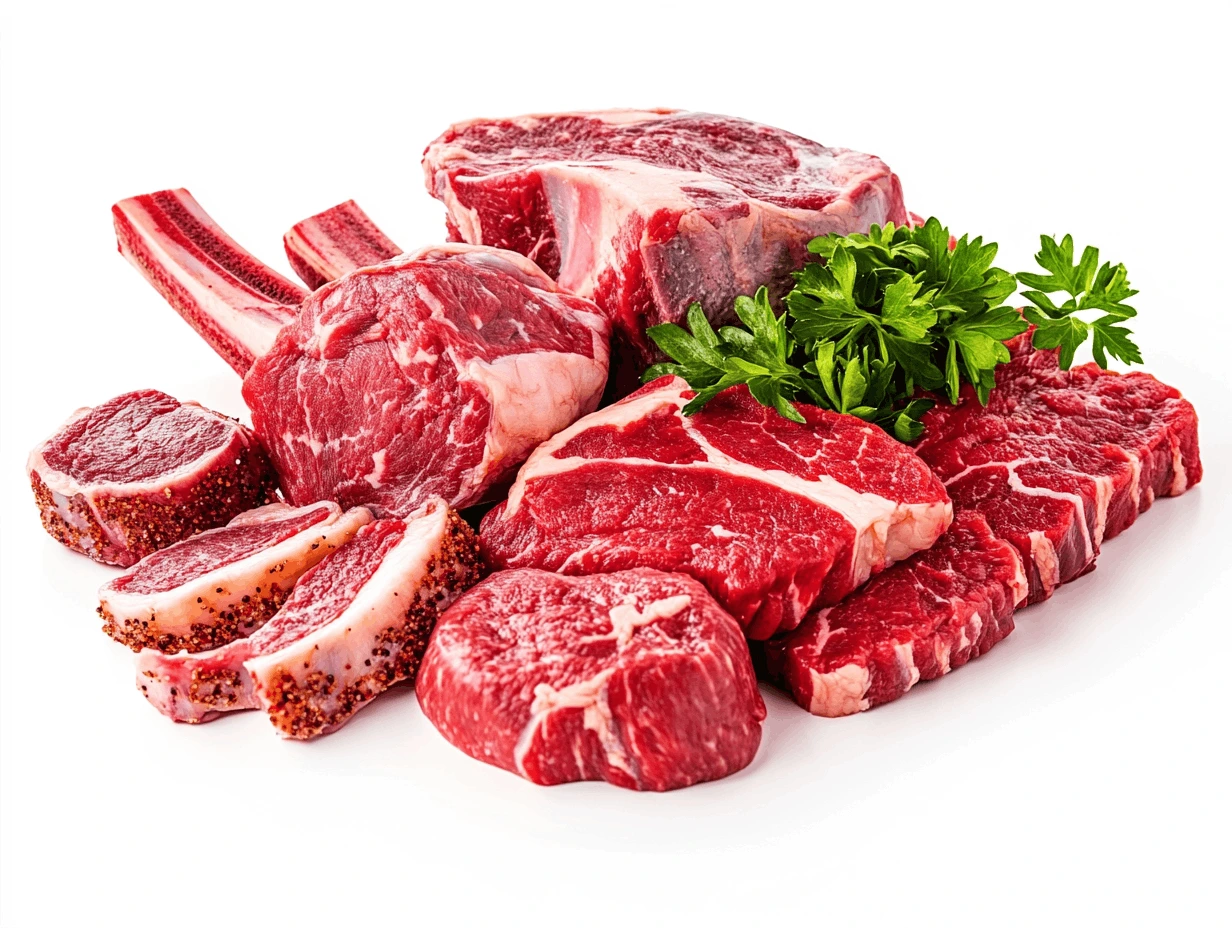
Ground beef, steaks, roasts, and more. Full calorie data for every beef cut, straight from the USDA database. Look up calories per 100g or per serving, raw and cooked, in metric or imperial.
| Food | Serving | Calories |
|---|---|---|
| Ground Beef, 80/20 Raw | 4 oz (113g) | 254 Cal |
| Ground Beef, 80/20 Cooked (Pan-Fried) | 3 oz (85g) | 272 Cal |
| Ground Beef, 90/10 Raw | 4 oz (113g) | 176 Cal |
| Ground Beef, 90/10 Cooked (Pan-Fried) | 3 oz (85g) | 196 Cal |
| Ground Beef, 95/5 Raw (Extra Lean) | 4 oz (113g) | 137 Cal |
| Ribeye Steak, Raw | 6 oz (170g) | 289 Cal |
| Ribeye Steak, Grilled | 6 oz (170g) | 274 Cal |
| Sirloin Steak, Raw | 6 oz (170g) | 207 Cal |
| Sirloin Steak, Grilled | 6 oz (170g) | 219 Cal |
| Tenderloin (Filet Mignon), Raw | 6 oz (170g) | 212 Cal |
| Tenderloin (Filet Mignon), Grilled | 6 oz (170g) | 227 Cal |
| T-Bone Steak, Raw | 8 oz (227g) | 247 Cal |
| New York Strip Steak, Raw | 6 oz (170g) | 223 Cal |
| New York Strip Steak, Grilled | 6 oz (170g) | 236 Cal |
| Flank Steak, Raw | 6 oz (170g) | 162 Cal |
| Flank Steak, Grilled | 6 oz (170g) | 192 Cal |
| Skirt Steak, Raw | 6 oz (170g) | 186 Cal |
| Chuck Roast, Raw | 4 oz (113g) | 215 Cal |
| Chuck Roast, Braised | 3 oz (85g) | 258 Cal |
| Beef Brisket, Raw | 4 oz (113g) | 216 Cal |
| Beef Brisket, Braised | 3 oz (85g) | 247 Cal |
| Short Ribs, Raw | 4 oz (113g) | 307 Cal |
| Short Ribs, Braised | 3 oz (85g) | 295 Cal |
| Round Steak (Eye of Round), Raw | 6 oz (170g) | 133 Cal |
| Round Steak (Eye of Round), Roasted | 3 oz (85g) | 165 Cal |
| Rump Roast, Raw | 4 oz (113g) | 186 Cal |
| Rump Roast, Roasted | 3 oz (85g) | 213 Cal |
| Beef Liver, Raw | 3 oz (85g) | 135 Cal |
| Beef Liver, Pan-Fried | 3 oz (85g) | 175 Cal |
| Beef Stew Meat (Chuck), Raw | 4 oz (113g) | 152 Cal |
| Beef Stew Meat, Braised | 3 oz (85g) | 210 Cal |
| Ground Beef Mince, Cooked (Drained) | 3 oz (85g) | 218 Cal |
| Beef Burger Patty, Raw (1/4 lb) | 1 patty (113g) | 254 Cal |
| Beef Burger Patty, Grilled (1/4 lb) | 1 patty (85g) | 272 Cal |
| Corned Beef, Cooked | 3 oz (85g) | 251 Cal |
| Beef Jerky | 1 oz (28g) | 364 Cal |
| Beef Tongue, Simmered | 3 oz (85g) | 284 Cal |
| Veal Cutlet, Raw | 4 oz (113g) | 118 Cal |
| Veal Cutlet, Pan-Fried | 3 oz (85g) | 196 Cal |
Data source: USDA FoodData Central. Values are approximate and may vary by cut, grade, and cooking method.
Beef calorie content varies dramatically depending on the cut and fat content. The difference between the leanest and fattiest cuts can be more than double in calories per 100g. Eye of round roast contains just 133 calories per 100g raw, while short ribs contain 307 calories per 100g. The main driver is fat: cuts from heavily worked muscles like the round and flank are lean and tough, while cuts from less-used areas like the rib and short loin are tender but much fattier.
Ground beef fat percentage is one of the most important numbers to track. The difference between 80/20 and 95/5 ground beef is around 117 calories per 100g raw. Over a week of daily consumption, that adds up to a significant calorie difference. For most people, 90/10 offers a practical balance of flavour, cost, and nutrition for everyday cooking.
Beef is one of the most complete sources of animal protein. It provides all essential amino acids, along with creatine, zinc, iron, selenium, and B vitamins including B12, which is found almost exclusively in animal foods. A 3oz serving of cooked lean beef contributes around 25 to 30g of high-quality protein, which is meaningful relative to the daily recommended intake of 0.8g per kg of body weight.
Beef loses significant weight during cooking as water and fat are expelled. A 100g raw steak typically becomes 70 to 75g cooked. This means cooked beef appears more calorie-dense per 100g than raw beef, even though the total calories in the piece have not changed much. For the most consistent calorie tracking, weigh beef raw before cooking. If you only have cooked beef to weigh, use the cooked values in this table for that specific cut and preparation method.
Browse calories and macros across all food groups in our USDA-backed nutrition database.
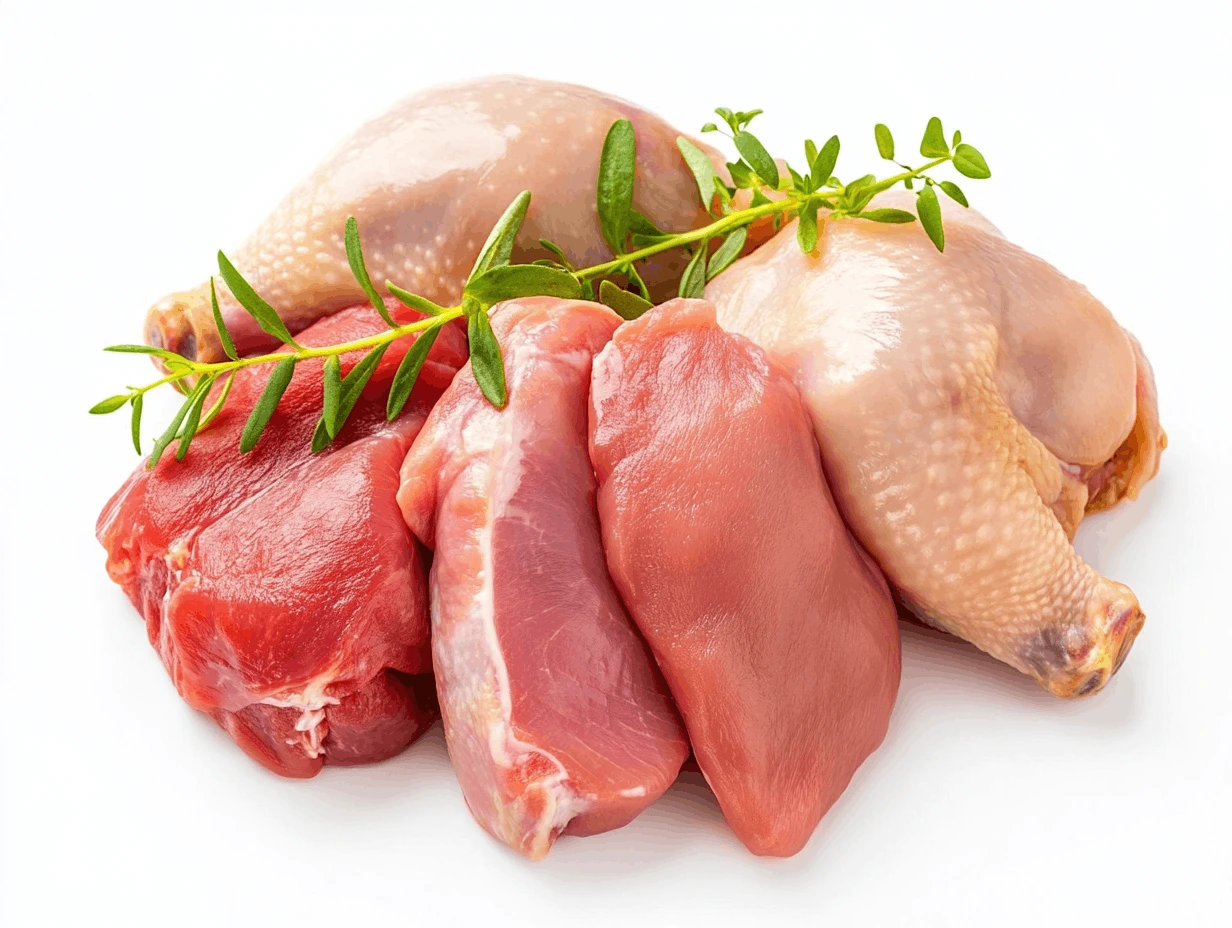
Chicken, turkey, duck, and more. Full nutritional data for every cut. Compare calories and protein across lean and fatty poultry options.
See calories for poultry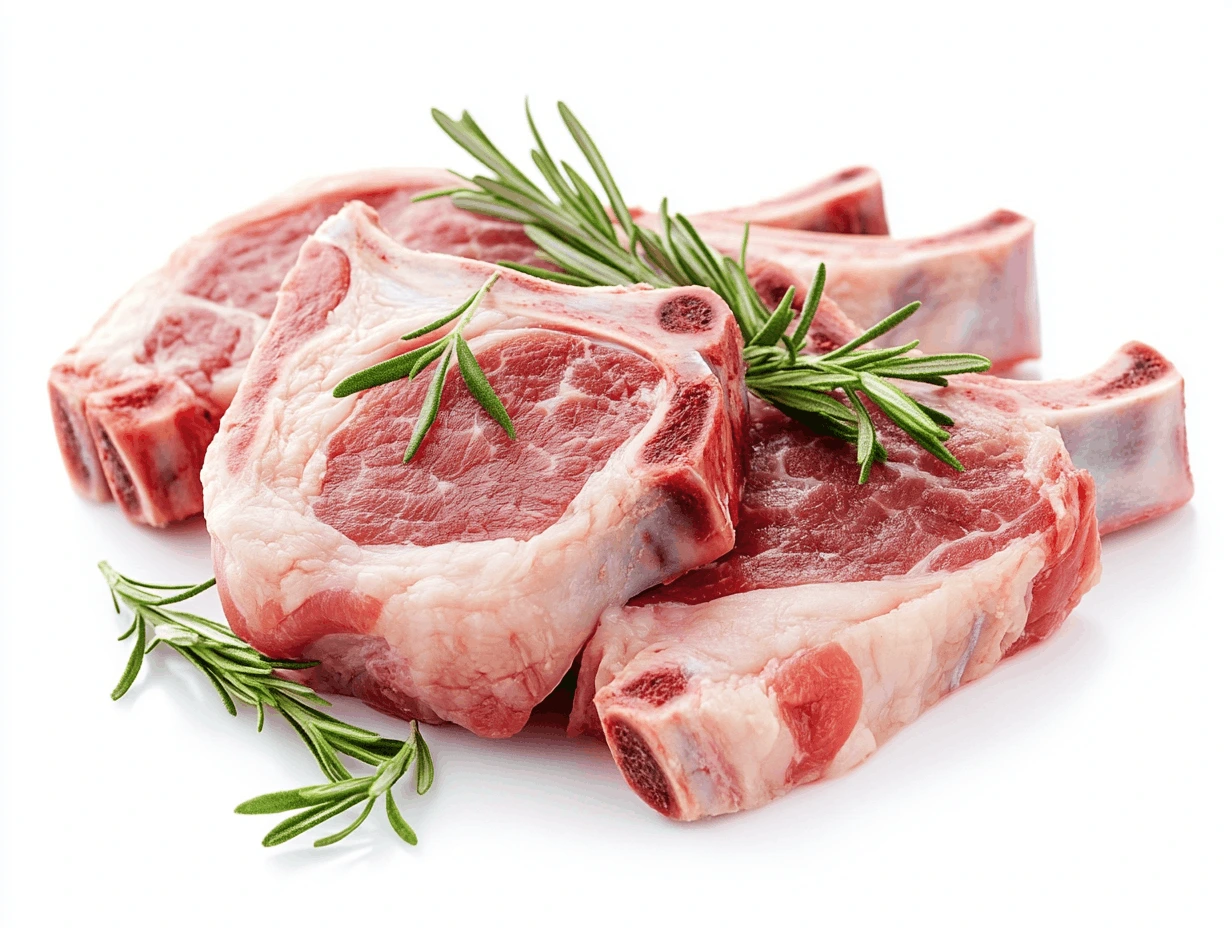
Pork offers versatile cuts from lean tenderloin to rich belly. Compare calories and macros across chops, ribs, and ground pork to make informed choices.
See calories for pork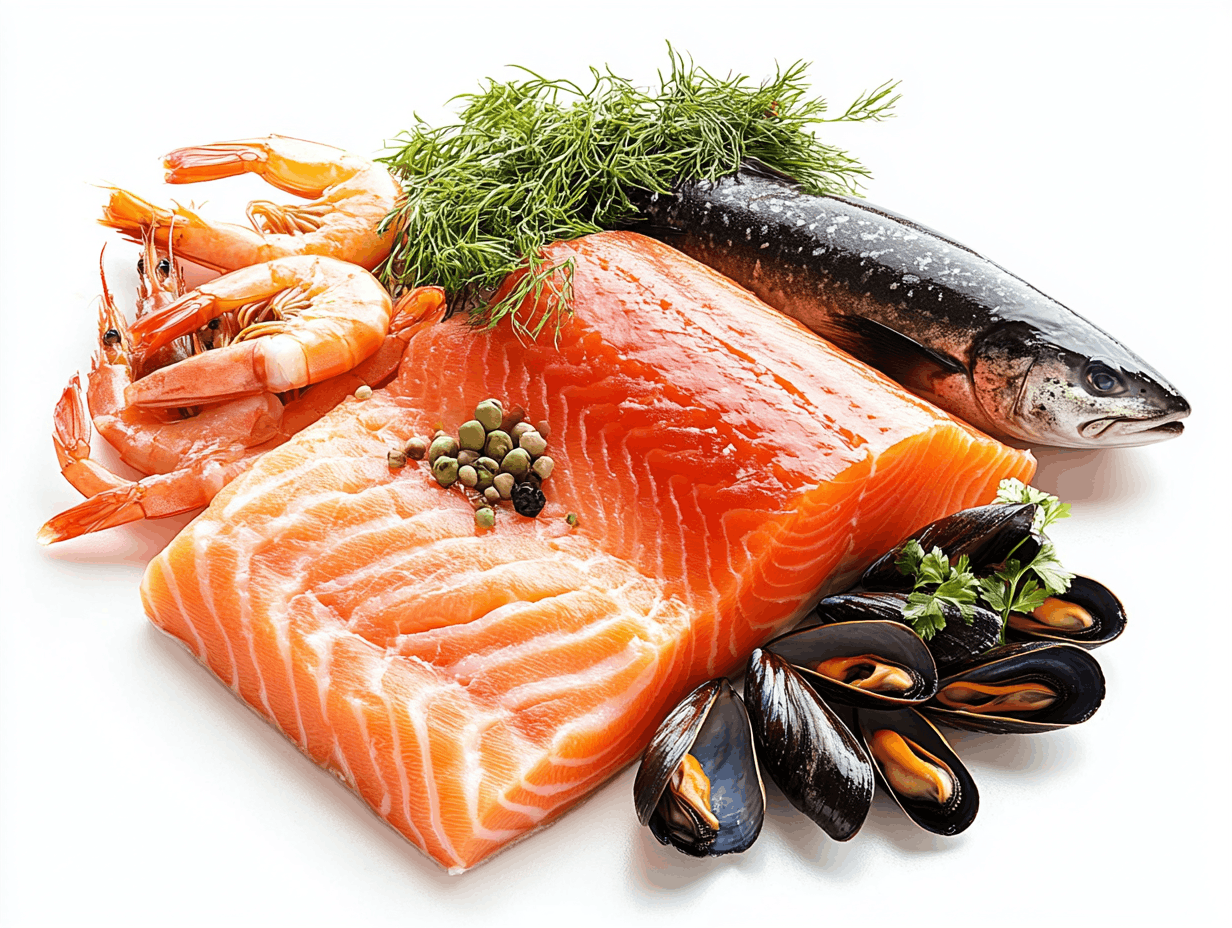
Rich in omega-3s and lean protein, fish and seafood are among the healthiest animal foods. Compare calories across salmon, tuna, shrimp, and more.
See calories for fish & seafood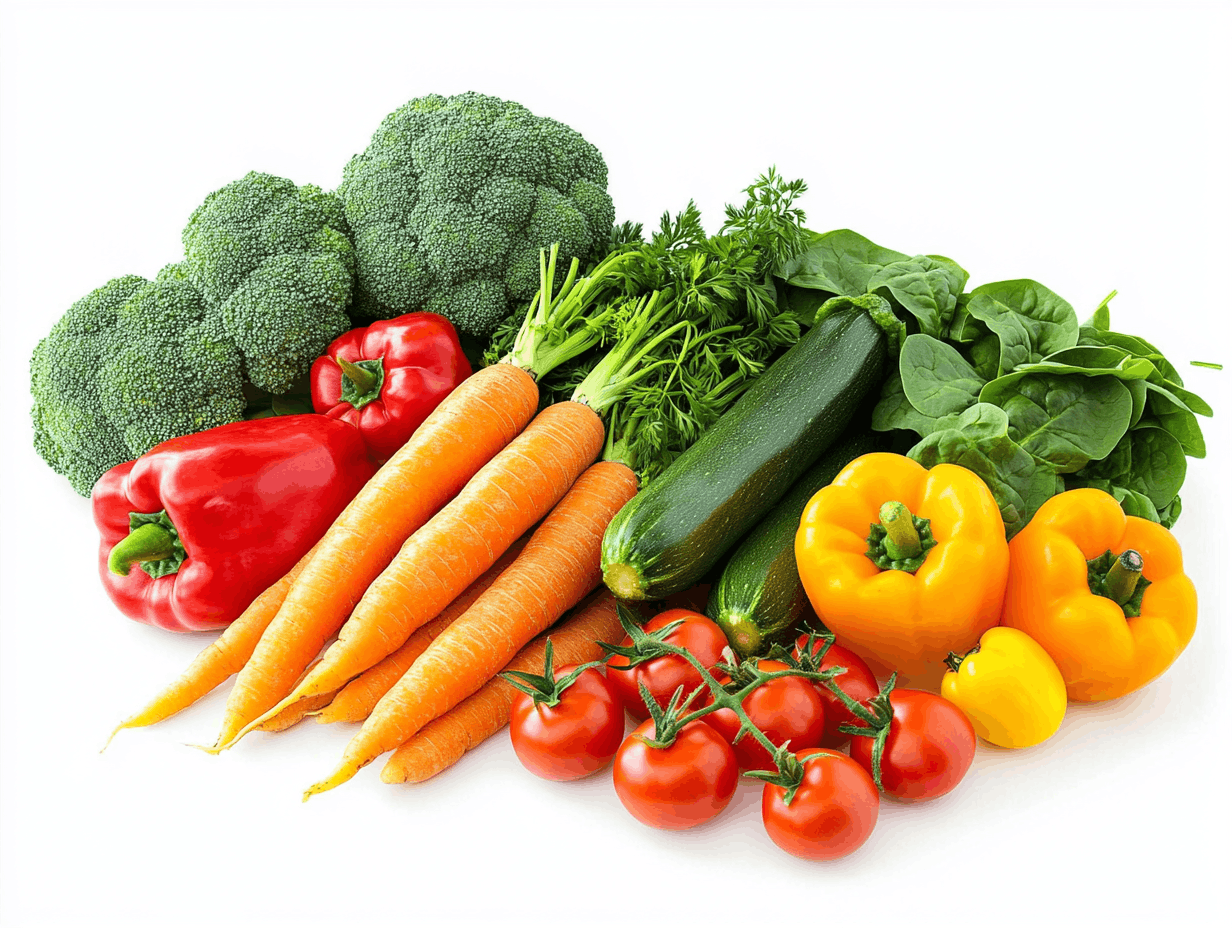
From leafy greens to root vegetables, explore calorie data for every vegetable. Compare raw and cooked values across broccoli, spinach, sweet potato, and more.
See calories for vegetables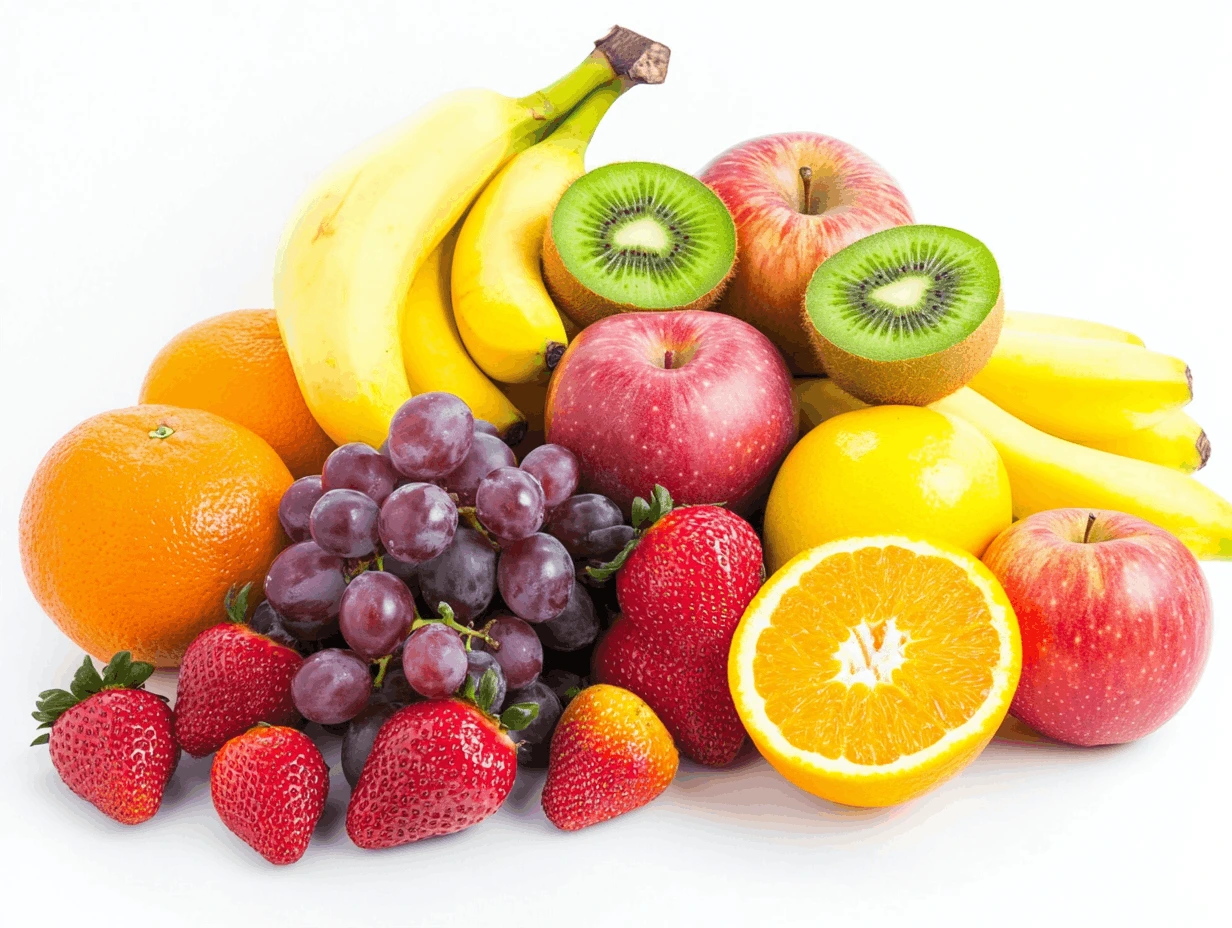
From berries to tropical fruits, get full calorie data for every fresh and dried fruit. Compare low-sugar options and track portions with ease.
See calories for fruits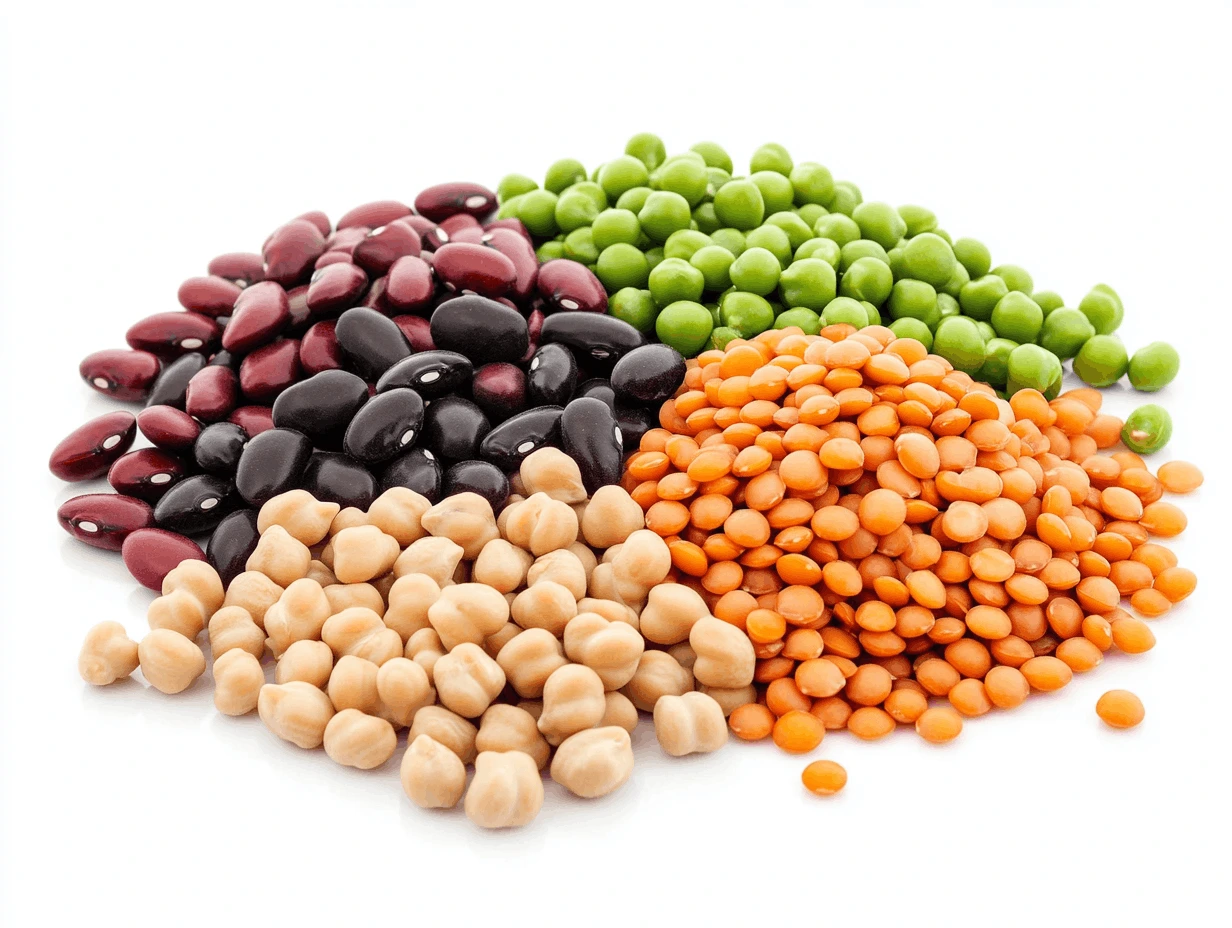
Beans, lentils, and chickpeas pack serious protein and fiber. Compare calories and macros across varieties to find the best plant-based protein sources.
See calories for legumes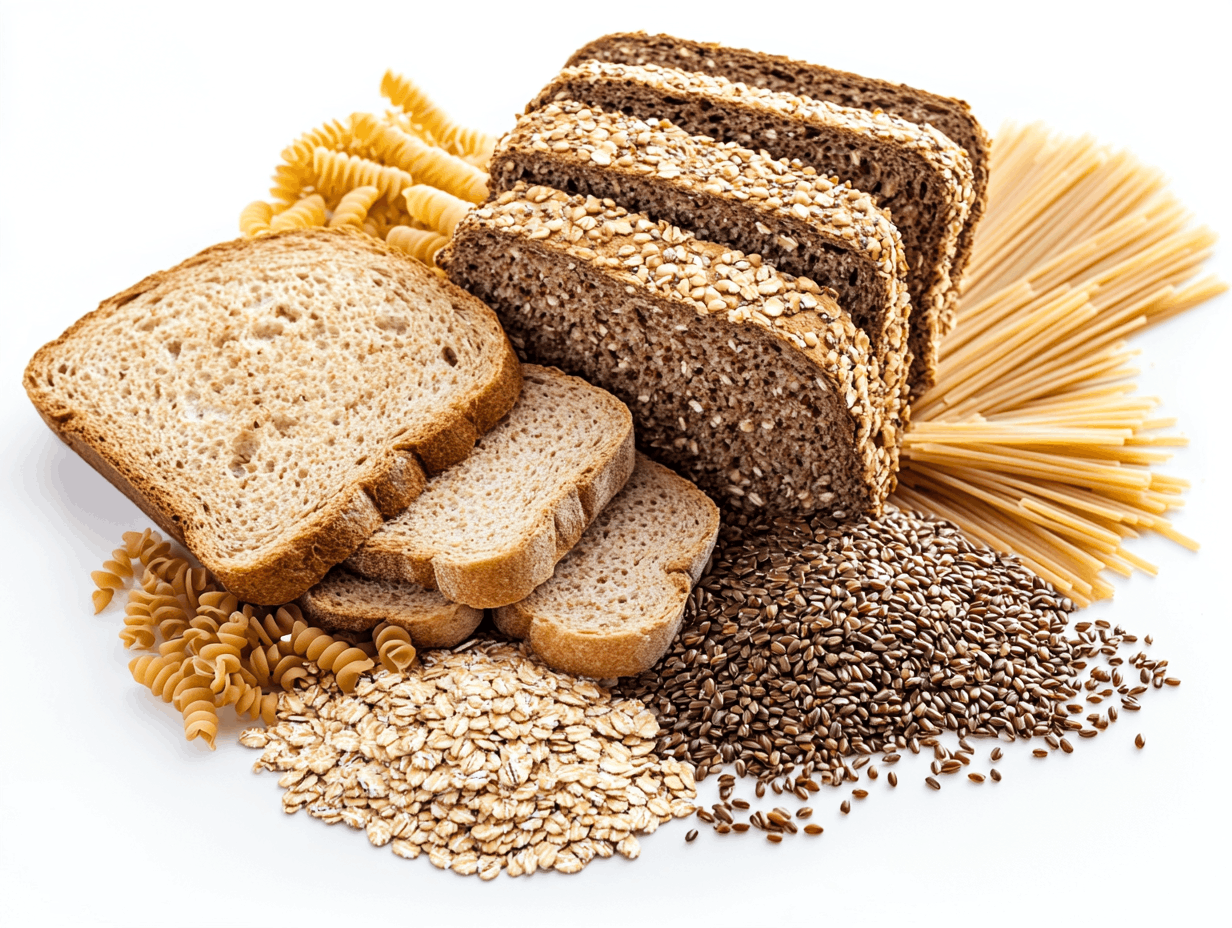
Rice, oats, pasta, and bread: grains are your main source of carbohydrates and energy. Browse by cooked or dry weight and track calories across common staples.
See calories for grains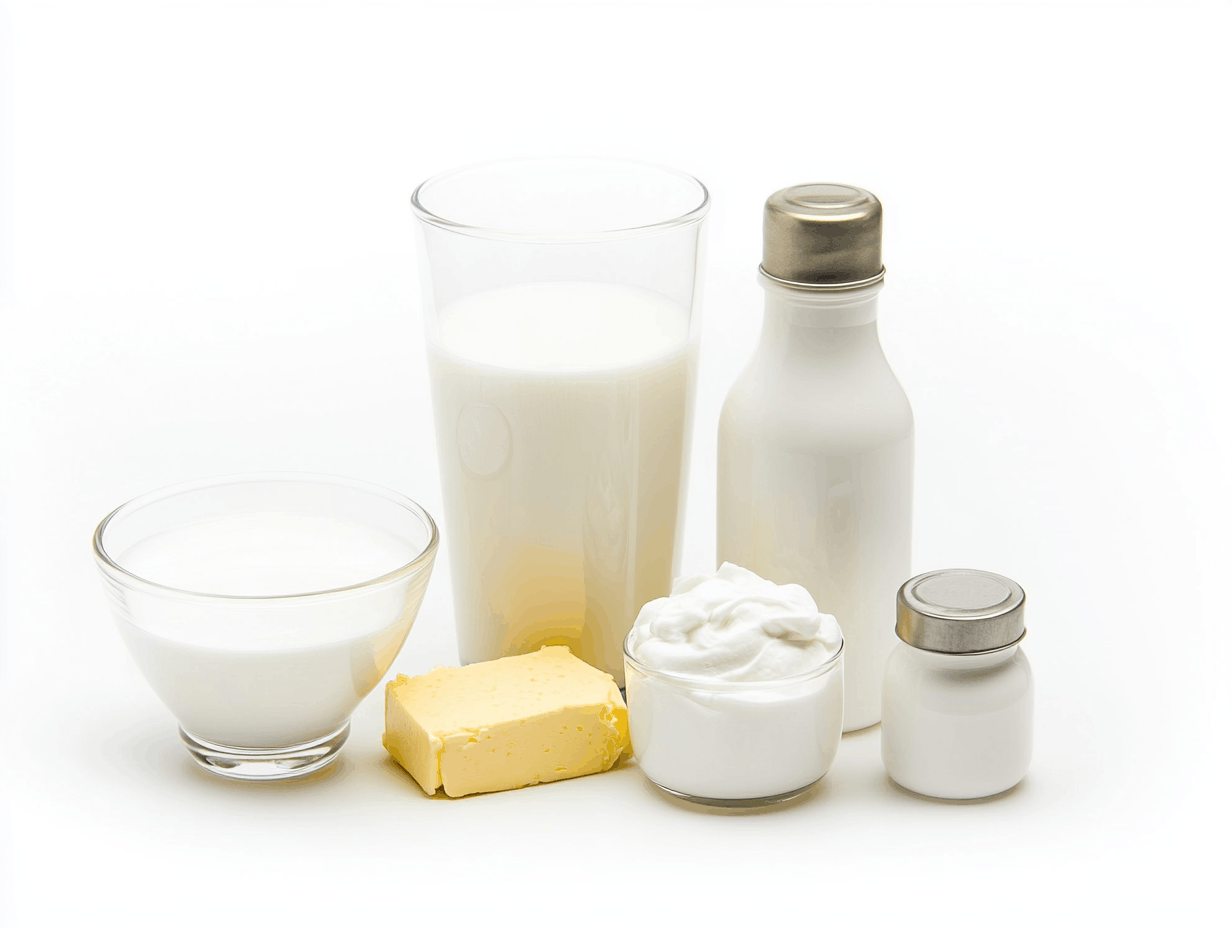
Milk, yogurt, and cream offer calcium and protein in every serving. Compare full-fat vs. low-fat options and track macros across your favourite dairy staples.
See calories for dairy products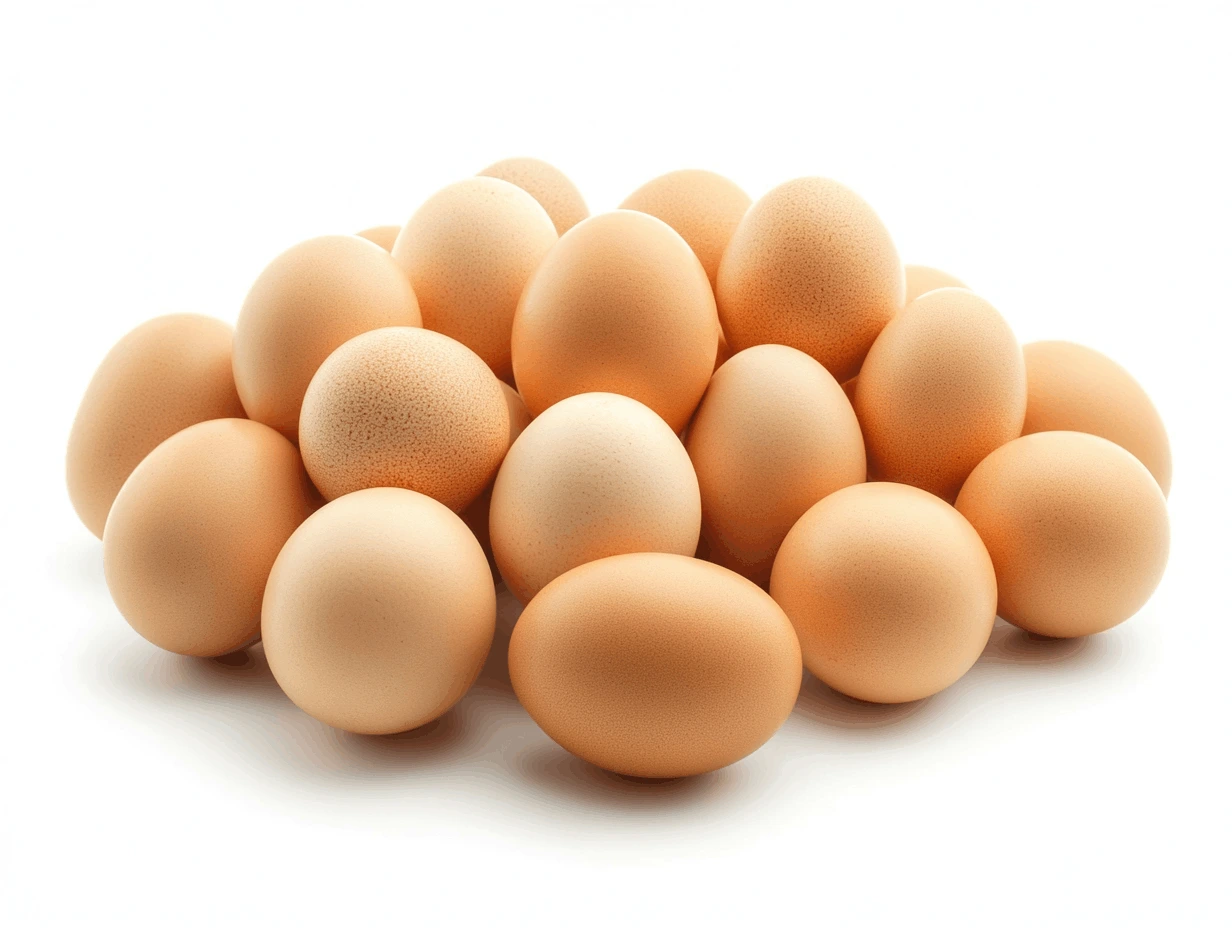
A complete protein source with essential amino acids, vitamins, and healthy fats. Track calories by whole egg, white, or yolk across different preparation methods.
See calories for eggs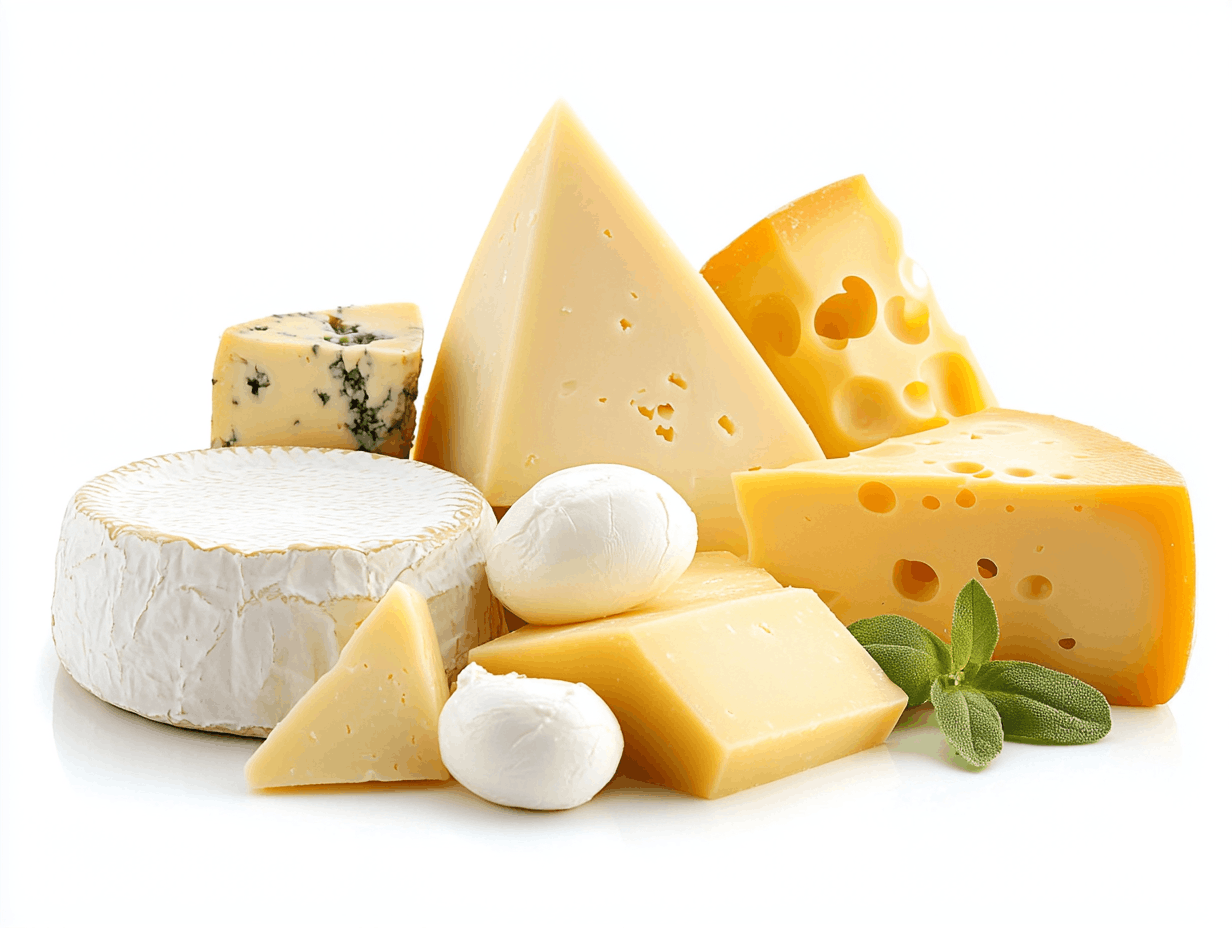
From fresh mozzarella to aged parmesan, cheese is rich in protein, fat, and calcium. Compare calories across varieties and track portions by slice or gram.
See calories for cheese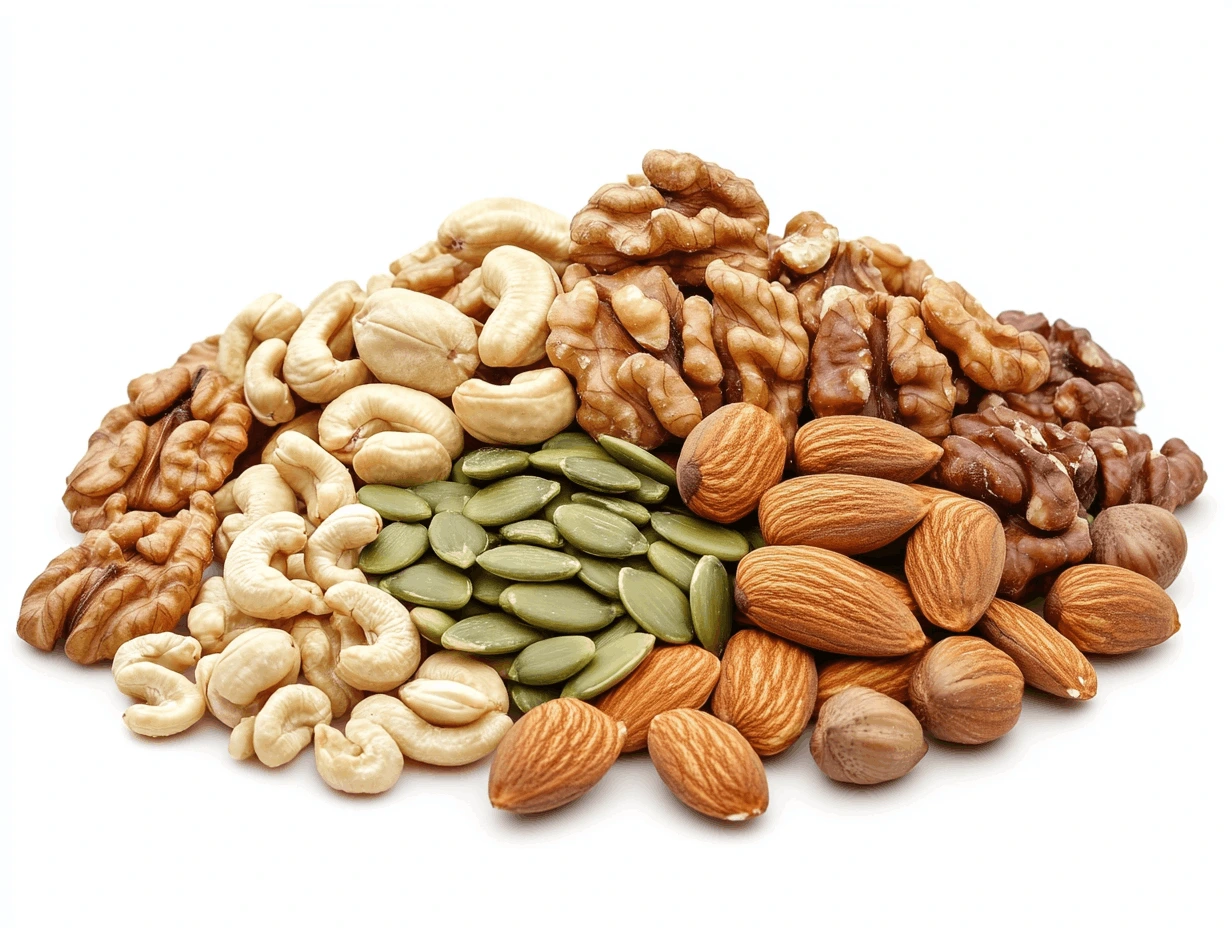
Calorie-dense and rich in healthy fats, nuts and seeds make every gram count. Compare protein, fat, and carb content across varieties to optimize snacking.
See calories for nuts & seedsGet the numbers that actually matter for your health. From body composition to daily calorie targets, our calculators give you a clear, personalized starting point. No account needed.
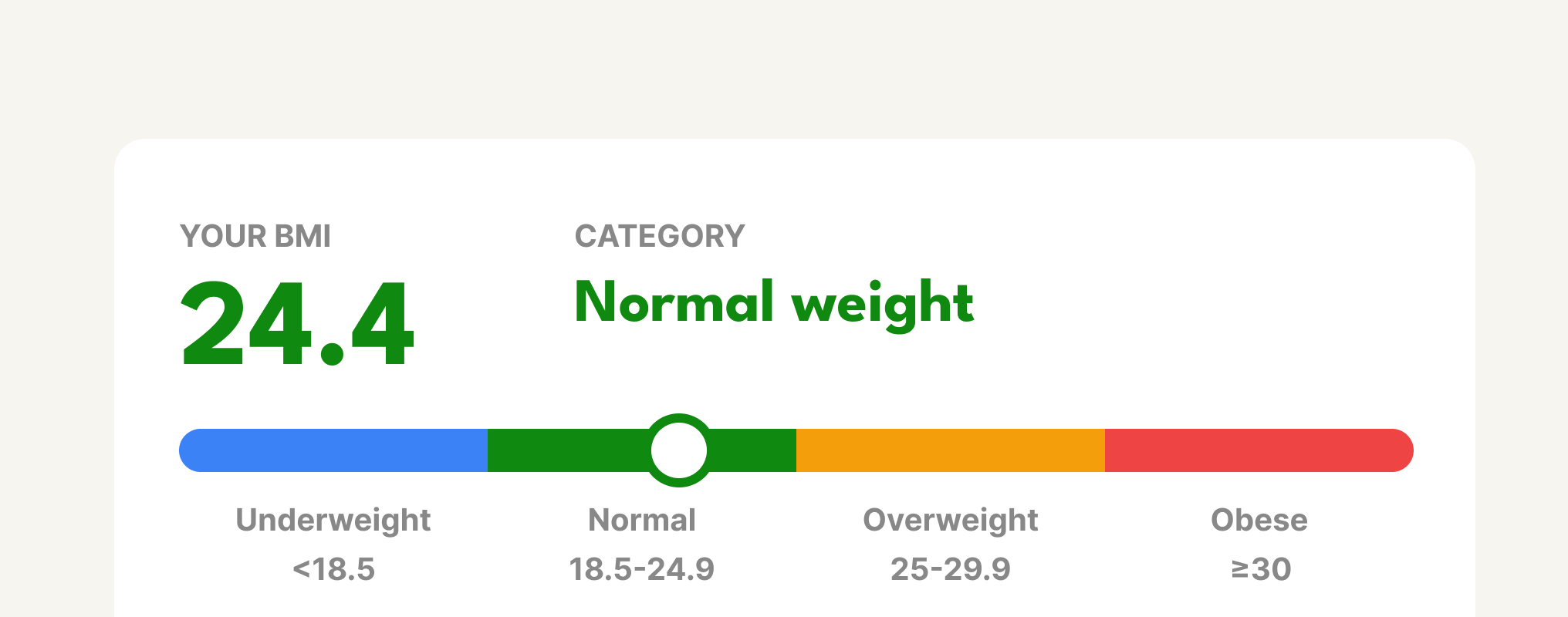
Find out if your weight is in a healthy range for your height. A quick first step to understanding your body and setting realistic health goals.
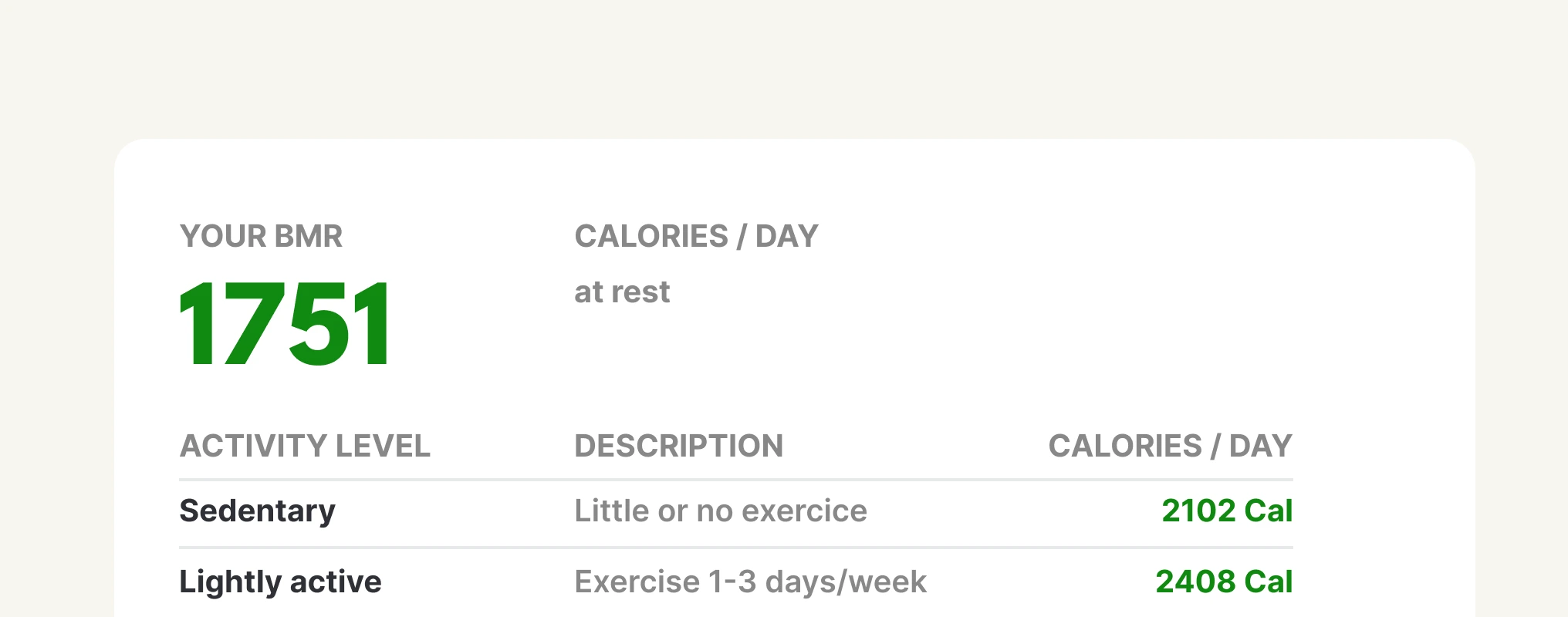
Discover how many calories your body burns at complete rest. Your BMR is the foundation of any smart nutrition or weight management plan.
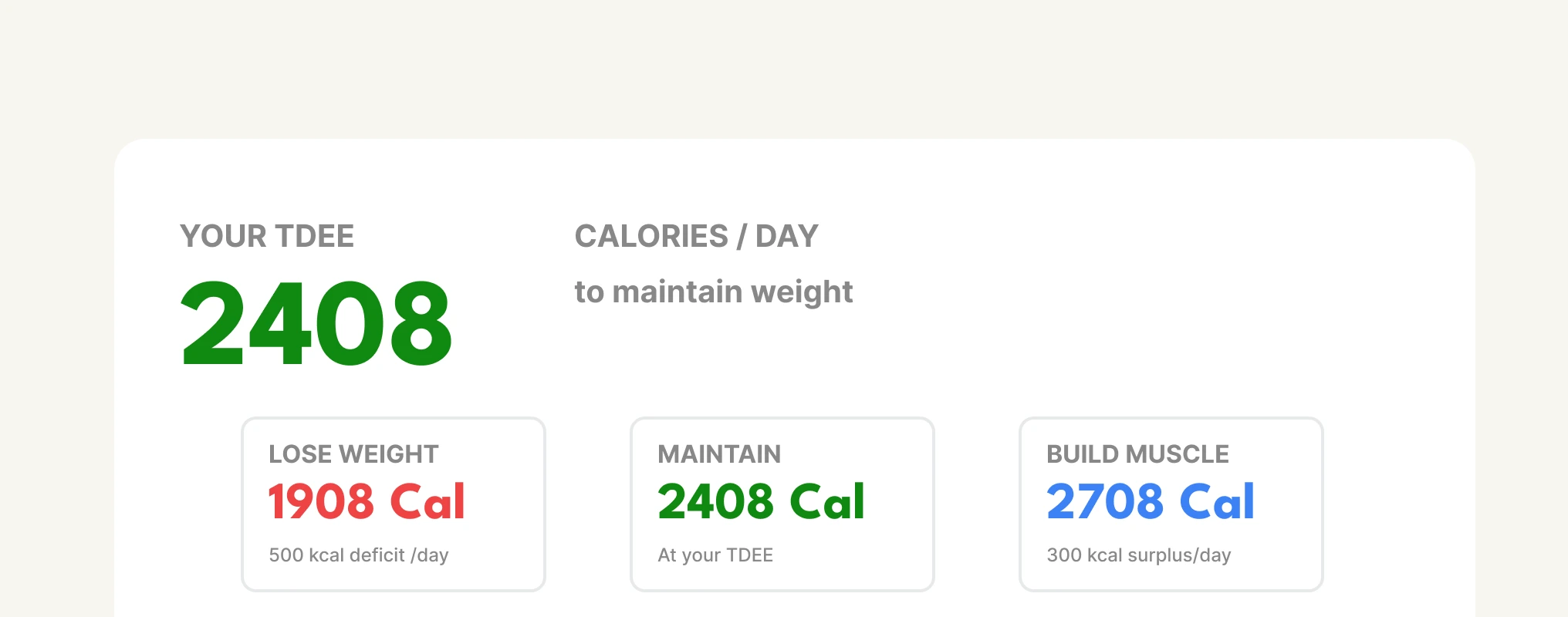
Get the exact number of calories your body needs based on your weight, height, age, and activity level.
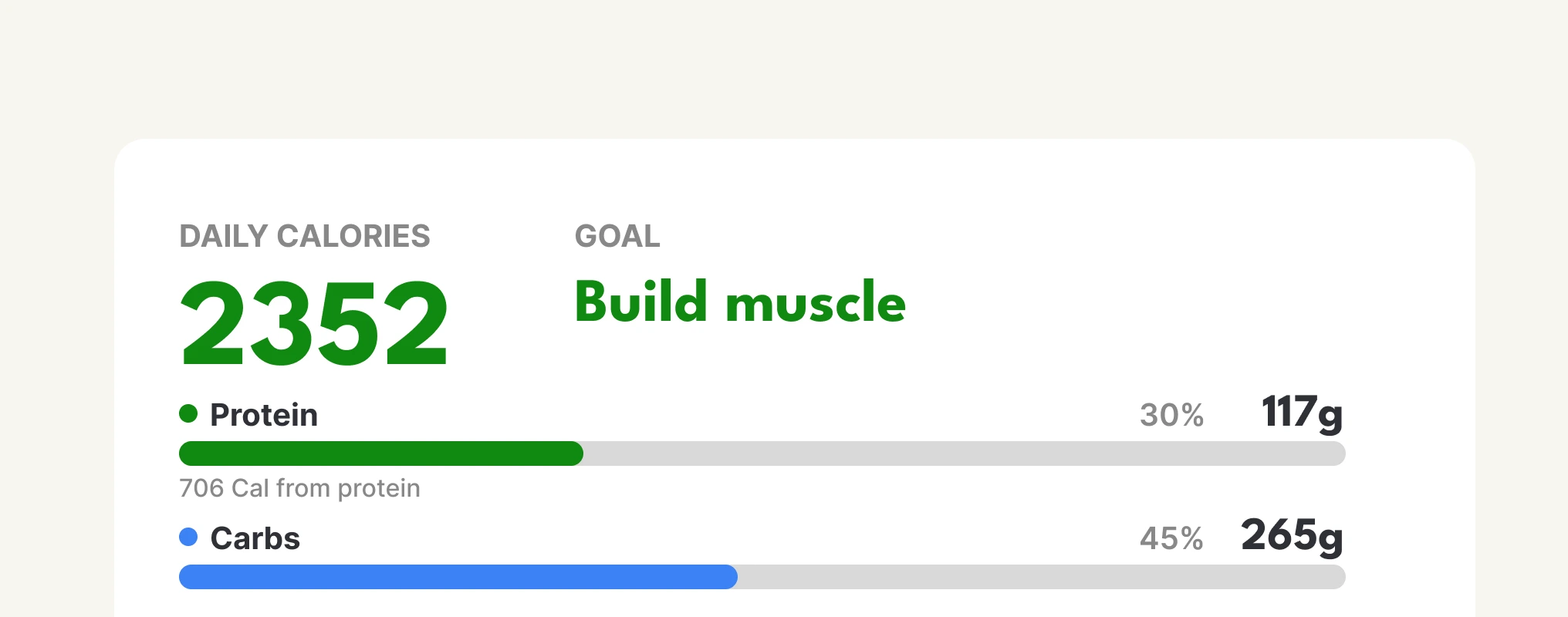
Find your ideal protein, carb, and fat targets based on your goals. Whether you're cutting, bulking, or maintaining, get a macro split tailored to you.
The calorie count in ground beef depends heavily on the fat percentage. 80/20 ground beef contains around 254 calories per 100g raw. Leaner 90/10 contains about 176 calories per 100g, and extra lean 95/5 contains around 137 calories per 100g. Cooking reduces the weight as fat renders out, so cooked weights will show higher calories per 100g than raw.
Short ribs are the highest calorie cut at around 307 calories per 100g raw due to their heavy marbling. Ribeye follows at around 289 calories per 100g. Beef jerky is the most calorie-dense beef product at 364 calories per 100g. Among lean options, eye of round, flank steak, and extra lean ground beef are the lowest calorie choices.
Beef is one of the most effective foods for muscle building. It provides complete protein with all essential amino acids, including leucine which directly triggers muscle protein synthesis. A 3oz cooked serving of sirloin provides around 25g of protein. Beef is also rich in creatine, zinc, iron, and B12, all of which support muscle function and recovery.
Raw ribeye contains approximately 289 calories per 100g. A typical 6oz (170g) restaurant ribeye contains around 491 calories raw. Grilled ribeye contains around 274 calories per 100g as some fat renders off during cooking. Ribeye is one of the most marbled cuts, which gives it its characteristic flavour but also makes it one of the higher calorie steaks.
Eye of round is the leanest common beef cut at just 133 calories per 100g raw and 4.7g of fat per 100g. Flank steak is also very lean at 162 calories per 100g raw. Among ground beef, 95/5 extra lean is the lowest calorie option at 137 calories per 100g. Veal is also notably lean at around 118 calories per 100g raw.
A standard quarter-pound (113g) raw beef patty from 80/20 ground beef contains approximately 287 calories. After grilling, a cooked patty typically weighs around 85g and contains around 231 calories. Using 90/10 lean ground beef brings this down to around 167 calories for the same cooked weight. The bun, cheese, and condiments add significantly to the total.
Cooking changes the weight of beef significantly but the total calories in a piece remain broadly the same. As beef cooks, it loses water and some fat, making cooked beef appear more calorie-dense per 100g than raw, even though the actual calories have not increased much. For accurate tracking, weigh beef raw before cooking or use specific cooked values.
Raw beef brisket contains approximately 216 calories per 100g with 15.9g of fat. Braised brisket contains around 247 calories per 100g as water is lost during the long cooking process. A typical 3oz (85g) serving of braised brisket contains around 210 calories with 23.6g of protein.
Beef liver is one of the most nutrient-dense foods available at around 135 calories per 100g raw with 20.4g of protein and just 3.6g of fat. It is extraordinarily rich in vitamin B12, vitamin A, folate, iron, copper, and zinc. The main caution is that it is very high in vitamin A, so eating it more than once or twice a week is not recommended, especially during pregnancy.
Raw sirloin steak contains approximately 207 calories per 100g with 13.6g of fat. Grilled sirloin contains around 219 calories per 100g with 29.7g of protein. A typical 6oz (170g) grilled sirloin contains around 372 calories with 50g of protein, making it a strong choice for calorie-conscious meat eaters.
Both are tough, fatty cuts from the front of the cow that benefit from slow cooking. Chuck roast comes from the shoulder at around 215 calories per 100g raw. Brisket comes from the chest at 216 calories per 100g raw. Chuck tends to shred when slow-cooked, making it ideal for stews and pulled beef. Brisket holds together in slices, which is why it is the traditional choice for barbecue.
Beef jerky contains around 364 calories per 100g. A standard 1oz (28g) serving contains approximately 116 calories with 9.4g of protein. It is high in protein and low in carbohydrates but very high in sodium at around 1873mg per 100g. It is a practical high-protein snack in small portions, but sodium and calorie density are worth watching.
Raw beef short ribs contain approximately 307 calories per 100g with 26.9g of fat. Braised short ribs contain around 295 calories per 100g. A typical 3oz (85g) serving of braised short ribs contains approximately 251 calories with 17.9g of protein. The high fat content gives short ribs their exceptional tenderness and richness when slow-cooked.
Grass-fed beef is generally slightly lower in total fat than grain-fed beef, which translates to marginally fewer calories for the same cut. The difference is modest, typically 5 to 10% fewer calories. More significantly, grass-fed beef has a better omega-3 to omega-6 ratio and higher levels of conjugated linoleic acid and antioxidants including vitamin E.
Cooked corned beef contains approximately 251 calories per 100g with 18.2g of protein and 19g of fat. The main concern is its very high sodium content at around 973mg per 100g. Corned beef is brisket cured in a salt brine, which is why sodium is so elevated. It should be eaten in moderation by those managing blood pressure.
Raw beef tenderloin contains approximately 212 calories per 100g with 14.1g of fat. Grilled tenderloin (filet mignon) contains around 227 calories per 100g with 29.9g of protein. A typical 6oz (170g) grilled filet mignon contains approximately 386 calories with 50.8g of protein. Tenderloin is one of the leanest of the premium steaks and the most tender cut on the animal.
Among cooked cuts per 100g, braised stew meat tops the list at around 30.5g of protein, followed by grilled flank steak at 29.5g, eye of round roasted at 29.2g, and grilled tenderloin at 29.9g. Generally, the leaner the cut, the higher the protein per 100g cooked because there is less fat diluting the protein content.
A T-bone steak contains approximately 247 calories per 100g raw. A typical 8oz (227g) T-bone contains around 561 calories raw. The T-bone includes both a strip steak section and a smaller tenderloin section divided by the T-shaped bone, giving you two different textures in one cut.
Yes, veal is notably lower in calories than most beef cuts. Veal cutlet contains around 118 calories per 100g raw compared to 207 to 289 calories per 100g for common beef steaks. Pan-fried veal cutlet contains around 196 calories per 100g with 31.9g of protein, making it one of the leanest and highest-protein red meat options available.
The most accurate approach is to weigh beef raw before cooking and use raw calorie values. Cooked weights vary depending on cooking method and time, making raw weights more consistent. For ground beef, drain off rendered fat after cooking for a more accurate cooked weight. Selecting the correct cut and fat percentage matters more than the raw vs. cooked distinction.