Calories in Fish & Seafood
Salmon, tuna, cod, shrimp, and more. Full calorie data for every fish and seafood type, straight from the USDA database. Look up calories per 100g or per serving, raw and cooked, in metric or imperial.
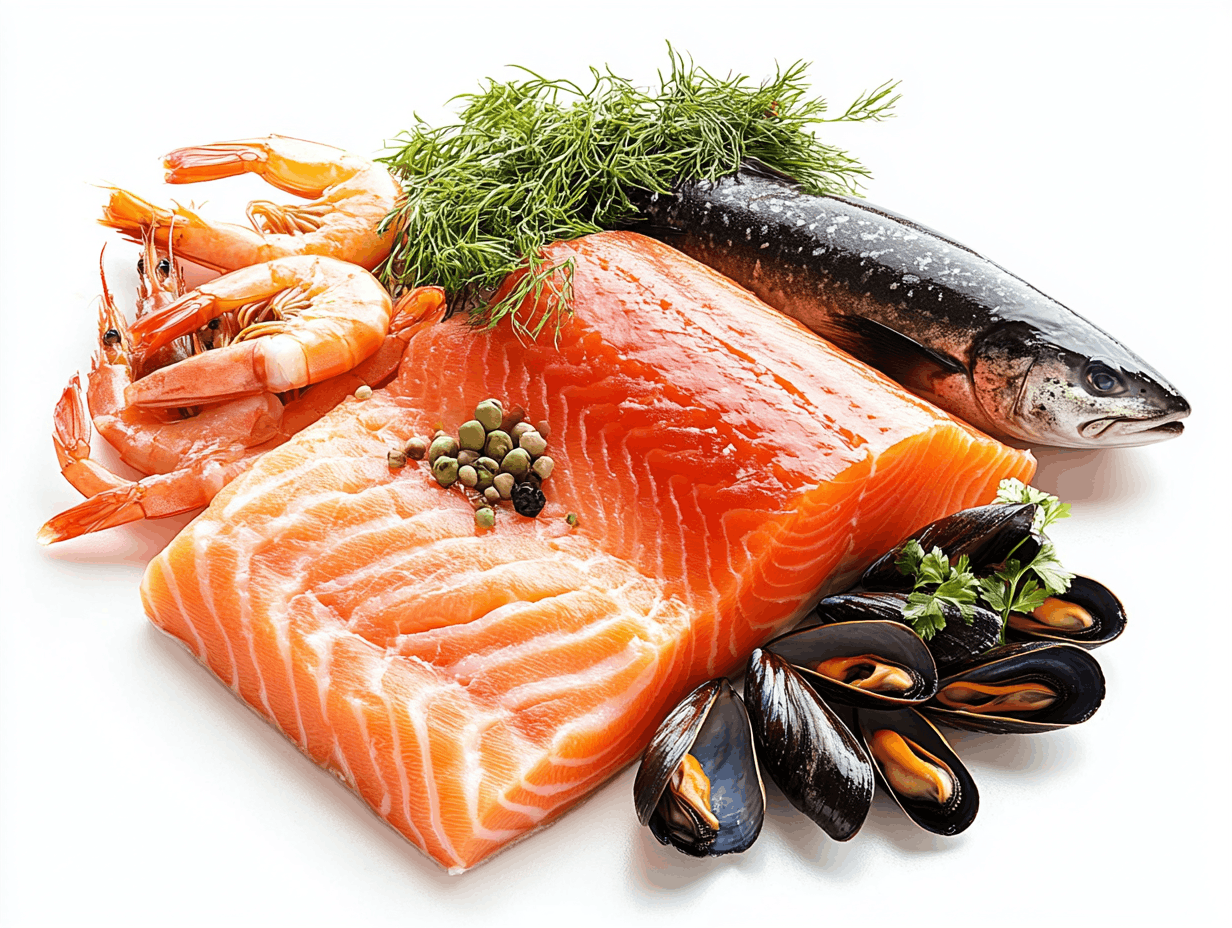
Salmon, tuna, cod, shrimp, and more. Full calorie data for every fish and seafood type, straight from the USDA database. Look up calories per 100g or per serving, raw and cooked, in metric or imperial.
| Food | Serving | Calories |
|---|---|---|
| Salmon, Atlantic, Raw | 4 oz (113g) | 208 Cal |
| Salmon, Atlantic, Baked | 4 oz (113g) | 206 Cal |
| Salmon, Pink, Canned (Drained) | 3 oz (85g) | 139 Cal |
| Tuna, Yellowfin, Raw | 4 oz (113g) | 109 Cal |
| Tuna, Canned in Water (Drained) | 3 oz (85g) | 116 Cal |
| Tuna, Canned in Oil (Drained) | 3 oz (85g) | 186 Cal |
| Cod, Atlantic, Raw | 4 oz (113g) | 82 Cal |
| Cod, Atlantic, Baked | 4 oz (113g) | 105 Cal |
| Tilapia, Raw | 4 oz (113g) | 96 Cal |
| Tilapia, Baked | 4 oz (113g) | 128 Cal |
| Haddock, Raw | 4 oz (113g) | 87 Cal |
| Haddock, Baked | 4 oz (113g) | 112 Cal |
| Halibut, Raw | 4 oz (113g) | 111 Cal |
| Halibut, Baked | 4 oz (113g) | 140 Cal |
| Sea Bass, Raw | 4 oz (113g) | 97 Cal |
| Rainbow Trout, Raw | 4 oz (113g) | 141 Cal |
| Rainbow Trout, Baked | 4 oz (113g) | 168 Cal |
| Mackerel, Atlantic, Raw | 4 oz (113g) | 205 Cal |
| Sardines, Canned in Oil (Drained) | 1 can / 3.75 oz (92g) | 208 Cal |
| Herring, Atlantic, Raw | 4 oz (113g) | 158 Cal |
| Swordfish, Raw | 4 oz (113g) | 144 Cal |
| Mahi-Mahi (Dolphinfish), Raw | 4 oz (113g) | 85 Cal |
| Anchovies, Canned in Oil | 1 oz (28g) | 210 Cal |
| Shrimp, Raw | 3 oz (85g) | 85 Cal |
| Shrimp, Cooked (Steamed/Boiled) | 3 oz (85g) | 99 Cal |
| Prawns, Cooked | 3 oz (85g) | 105 Cal |
| Lobster, Cooked | 3 oz (85g) | 89 Cal |
| Crab, Blue, Cooked | 3 oz (85g) | 87 Cal |
| Crab, King, Cooked | 3 oz (85g) | 97 Cal |
| Crab, Canned | 3 oz (85g) | 83 Cal |
| Scallops, Raw | 3 oz (85g) | 69 Cal |
| Scallops, Cooked (Pan-Seared) | 3 oz (85g) | 111 Cal |
| Mussels, Cooked (Steamed) | 3 oz (85g) | 172 Cal |
| Clams, Cooked (Steamed) | 3 oz (85g) | 148 Cal |
| Oysters, Raw | 6 medium (84g) | 68 Cal |
| Squid (Calamari), Raw | 3 oz (85g) | 92 Cal |
| Squid (Calamari), Fried | 3 oz (85g) | 175 Cal |
| Octopus, Cooked | 3 oz (85g) | 164 Cal |
| Smoked Salmon | 2 oz (56g) | 117 Cal |
| Fish Fingers (Fish Sticks), Baked | 4 pieces (112g) | 209 Cal |
Data source: USDA FoodData Central. Values are approximate and may vary by species, origin, and cooking method.
Fish and seafood offer some of the best protein-to-calorie ratios of any animal food. Lean white fish like cod, haddock, and tilapia deliver 17 to 25g of protein per 100g cooked at just 82 to 128 calories raw, comparable to chicken breast but often with a more delicate flavour. Shellfish like shrimp, lobster, and crab are even leaner, with cooked shrimp providing around 24g of protein per 100g at just 99 calories.
Oily fish like salmon, mackerel, sardines, and herring are higher in calories due to their fat content, but that fat is primarily long-chain omega-3 fatty acids (EPA and DHA), which are essential for brain function, cardiovascular health, and reducing inflammation. Most people do not consume enough omega-3s, and oily fish is the most bioavailable source by far. Two to three servings of oily fish per week covers most people's omega-3 requirements.
Shellfish deserve special attention. Oysters are the richest dietary source of zinc. Mussels and clams provide substantial iron, B12, and selenium. Crab and lobster deliver high protein with almost no fat. These foods are often overlooked in Western diets despite being among the most nutrient-dense options available.
The calorie difference between oily and white fish is significant and worth factoring into your choices. A 4oz (113g) serving of raw Atlantic salmon contains around 235 calories, while the same weight of raw cod contains just 93 calories. If you are managing calories tightly, white fish gives you more volume of food and protein for fewer calories. If you are more focused on omega-3 intake and overall nutrition density, oily fish is the better choice and the modest extra calories are well justified.
Browse calories and macros across all food groups in our USDA-backed nutrition database.
Chicken, turkey, duck, and more. Full nutritional data for every cut. Compare calories and protein across lean and fatty poultry options.
See calories for poultry
From lean ground beef to richly marbled ribeye, explore calorie data for every beef cut. Compare raw and cooked values for accurate tracking.
See calories for beef
Pork offers versatile cuts from lean tenderloin to rich belly. Compare calories and macros across chops, ribs, and ground pork to make informed choices.
See calories for pork
From leafy greens to root vegetables, explore calorie data for every vegetable. Compare raw and cooked values across broccoli, spinach, sweet potato, and more.
See calories for vegetables
From berries to tropical fruits, get full calorie data for every fresh and dried fruit. Compare low-sugar options and track portions with ease.
See calories for fruits
Beans, lentils, and chickpeas pack serious protein and fiber. Compare calories and macros across varieties to find the best plant-based protein sources.
See calories for legumes
Rice, oats, pasta, and bread: grains are your main source of carbohydrates and energy. Browse by cooked or dry weight and track calories across common staples.
See calories for grains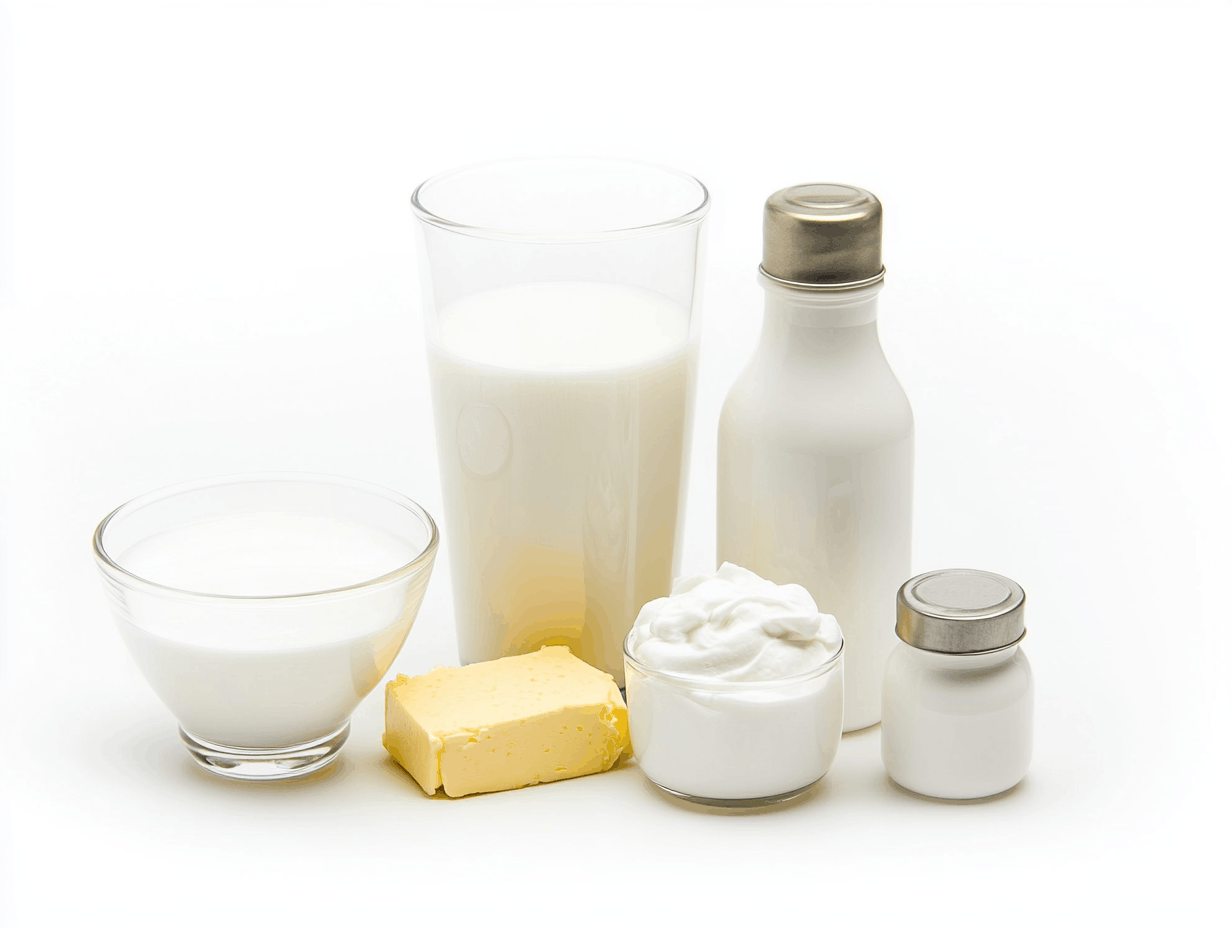
Milk, yogurt, and cream offer calcium and protein in every serving. Compare full-fat vs. low-fat options and track macros across your favourite dairy staples.
See calories for dairy products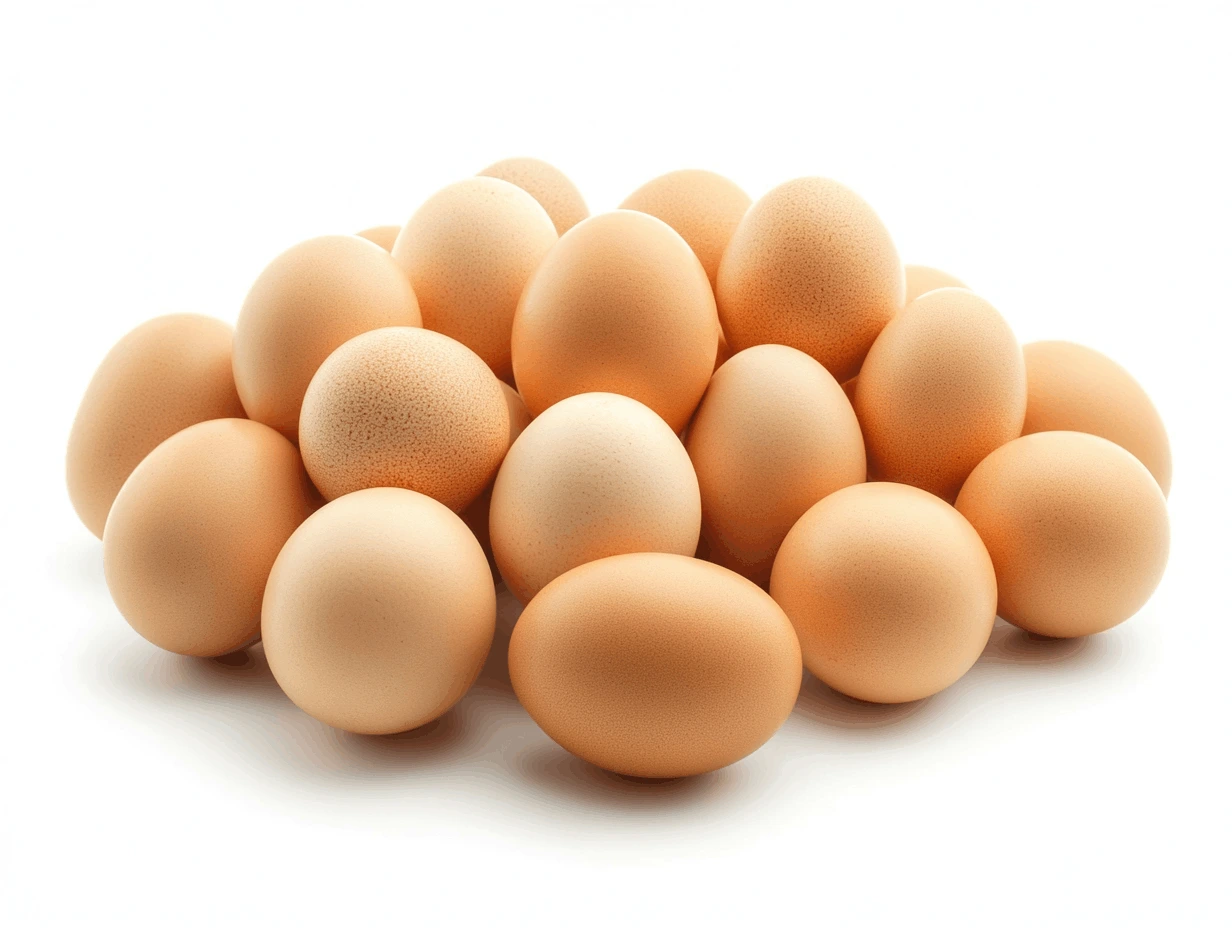
A complete protein source with essential amino acids, vitamins, and healthy fats. Track calories by whole egg, white, or yolk across different preparation methods.
See calories for eggs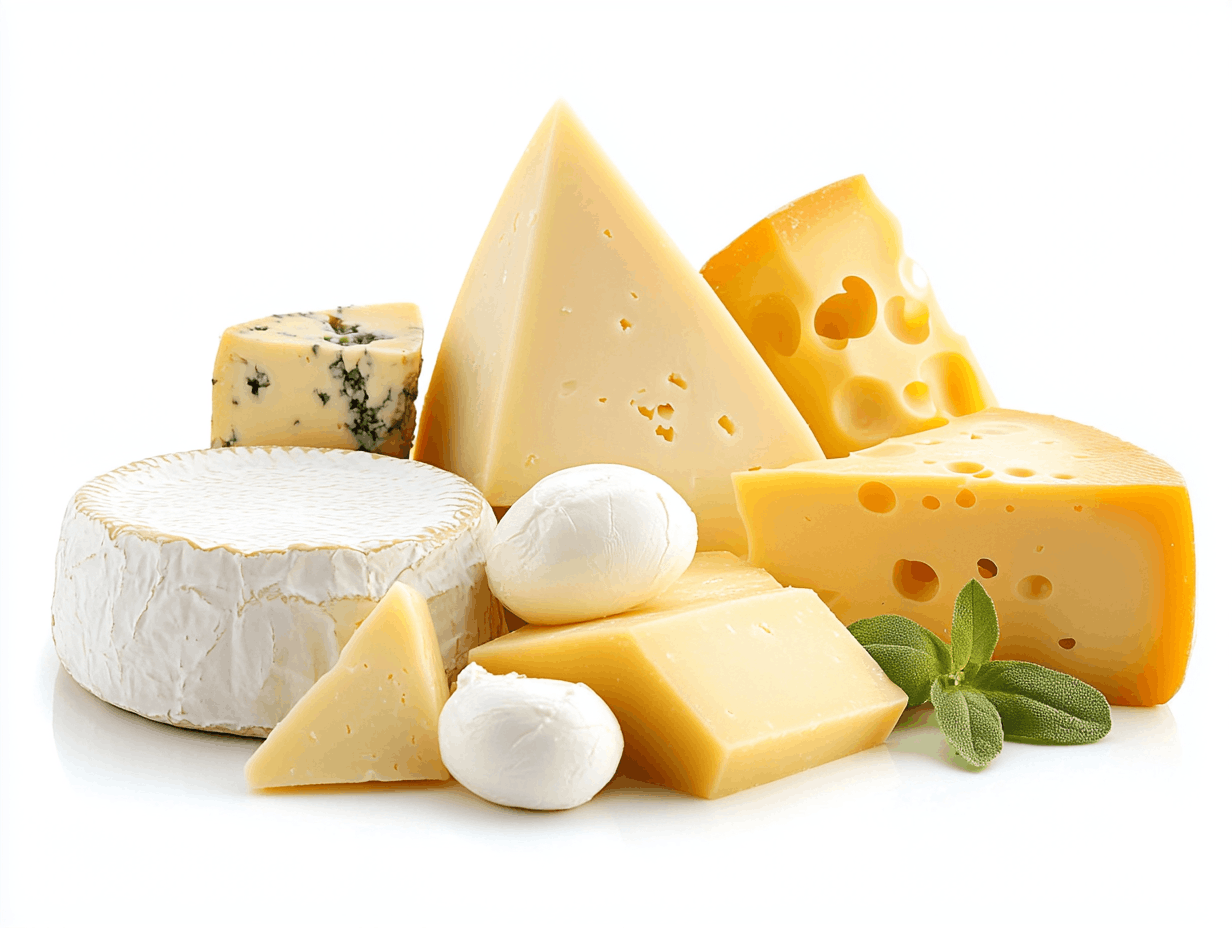
From fresh mozzarella to aged parmesan, cheese is rich in protein, fat, and calcium. Compare calories across varieties and track portions by slice or gram.
See calories for cheese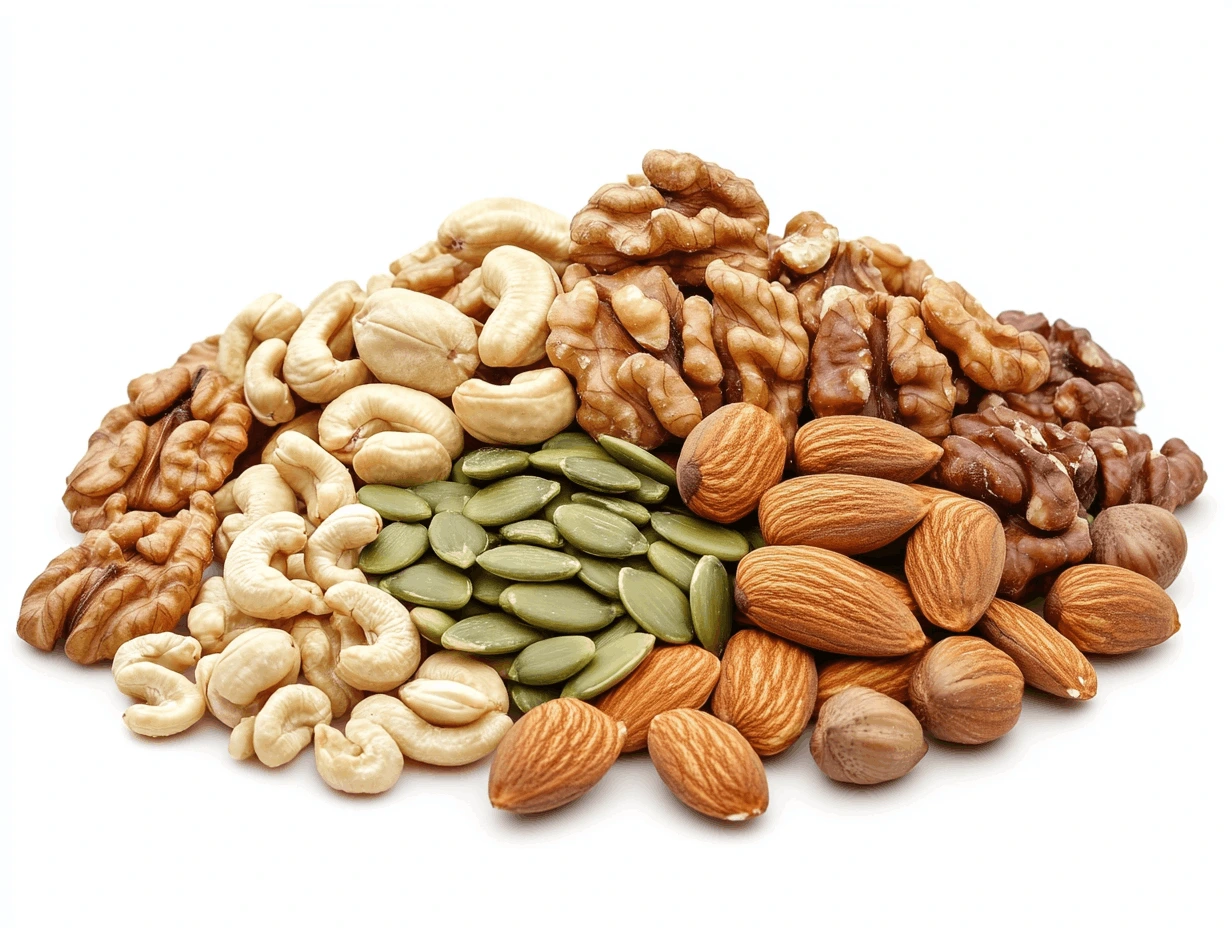
Calorie-dense and rich in healthy fats, nuts and seeds make every gram count. Compare protein, fat, and carb content across varieties to optimize snacking.
See calories for nuts & seedsGet the numbers that actually matter for your health. From body composition to daily calorie targets, our calculators give you a clear, personalized starting point. No account needed.
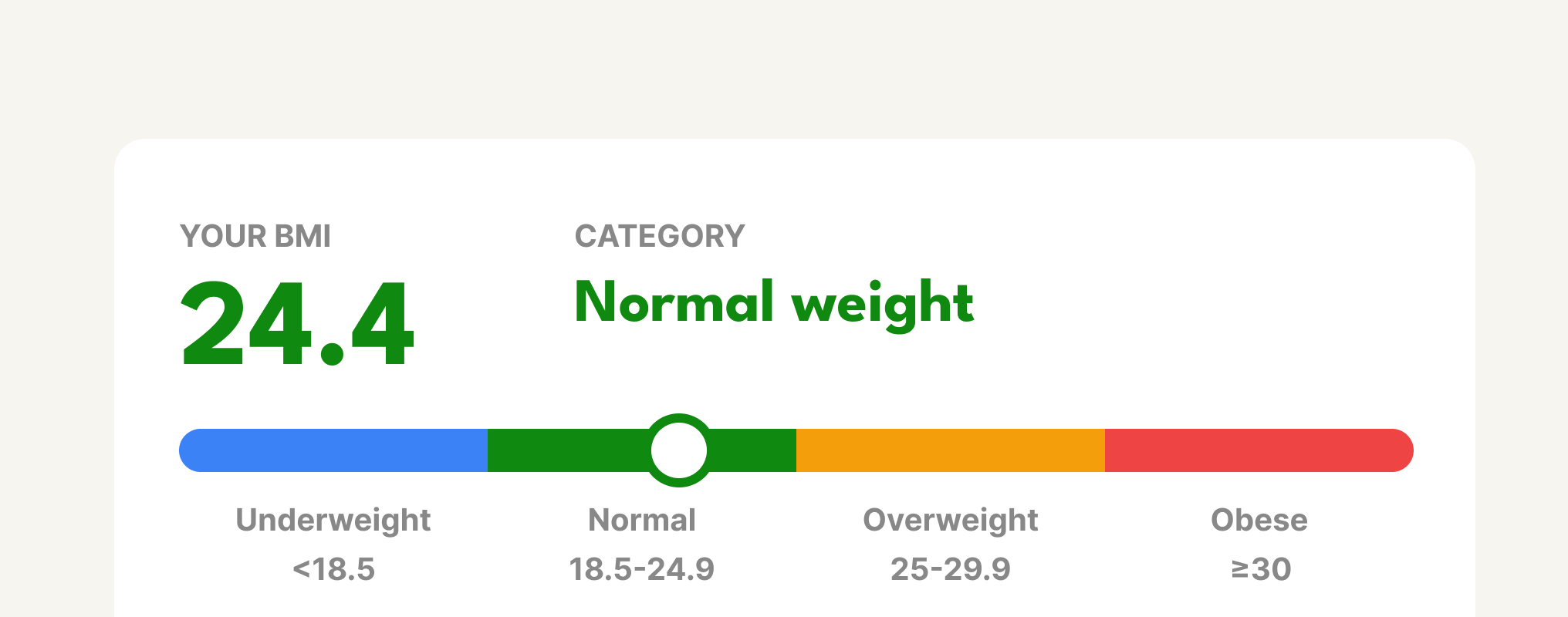
Find out if your weight is in a healthy range for your height. A quick first step to understanding your body and setting realistic health goals.
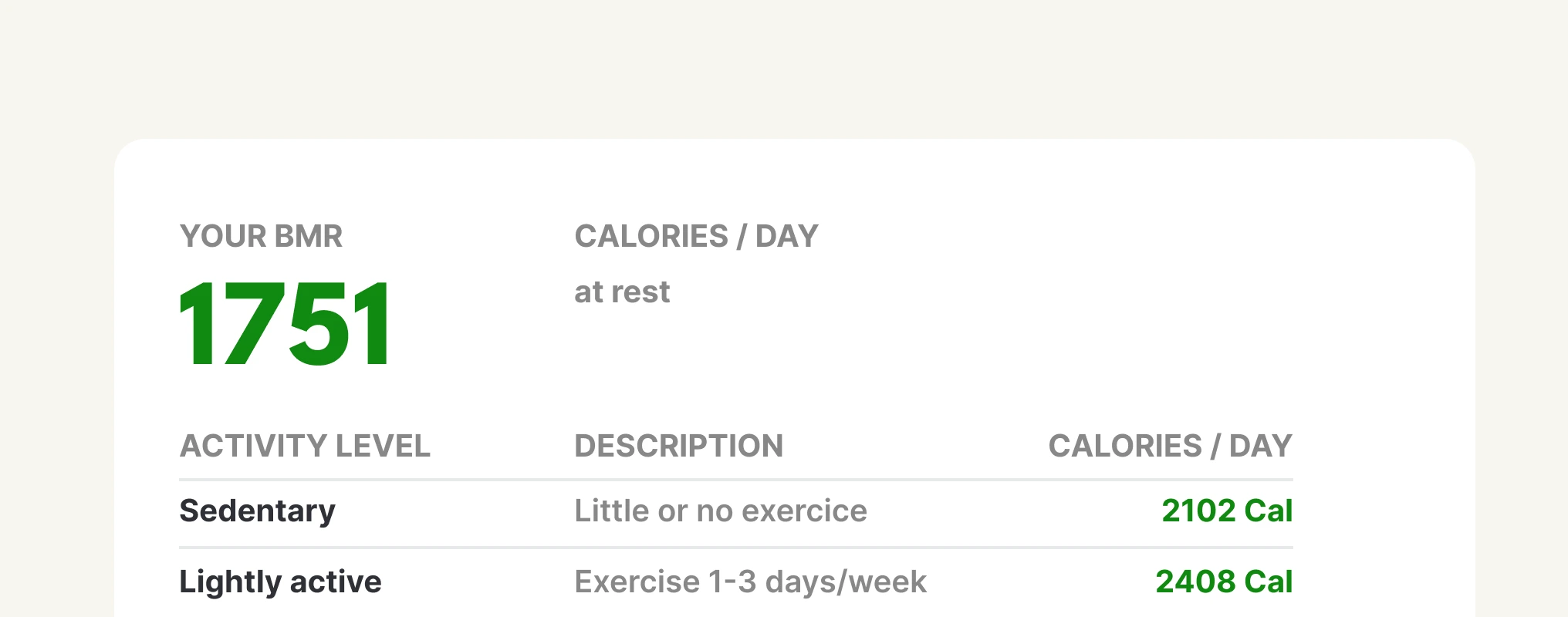
Discover how many calories your body burns at complete rest. Your BMR is the foundation of any smart nutrition or weight management plan.
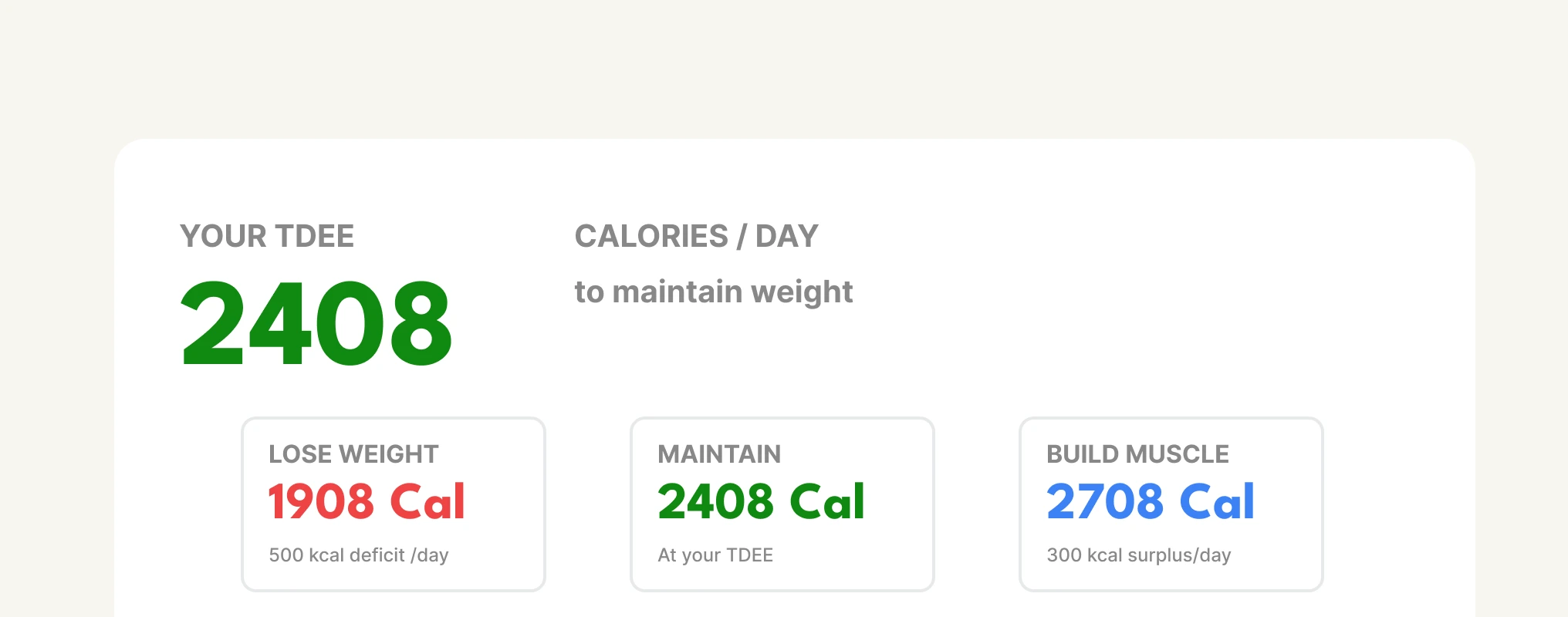
Get the exact number of calories your body needs based on your weight, height, age, and activity level.
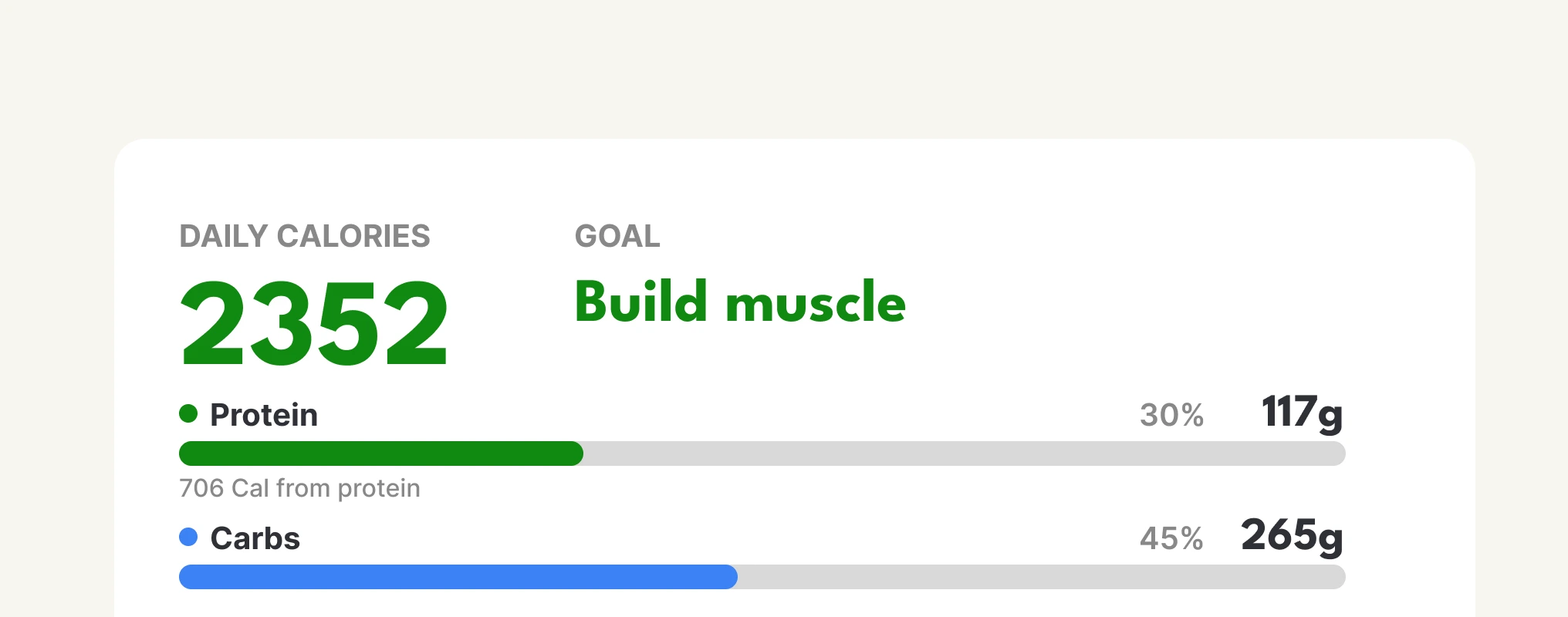
Find your ideal protein, carb, and fat targets based on your goals. Whether you're cutting, bulking, or maintaining, get a macro split tailored to you.
Raw Atlantic salmon contains approximately 208 calories per 100g with 13.4g of fat and 20.4g of protein. Baked salmon contains around 206 calories per 100g. A typical 4oz (113g) serving of baked salmon contains approximately 233 calories with 30.8g of protein. Salmon is one of the most nutrient-dense fish, providing substantial omega-3 fatty acids alongside its high protein content.
Raw shrimp contains approximately 85 calories per 100g with just 0.5g of fat and 20.1g of protein. Cooked shrimp (steamed or boiled) contains around 99 calories per 100g with 23.9g of protein. A 3oz (85g) serving of cooked shrimp contains approximately 84 calories. Shrimp is very high in protein relative to its calorie content, making it excellent for high-protein, calorie-conscious diets.
Fish is excellent for weight loss. Lean white fish like cod, haddock, and tilapia are among the lowest calorie animal proteins at 82 to 128 calories per 100g raw. Even oily fish like salmon provide high protein with moderate fat, which promotes satiety. The high protein content helps preserve muscle mass during calorie restriction. Oily fish also provide omega-3s that support metabolic health.
Raw yellowfin tuna contains approximately 109 calories per 100g with just 0.5g of fat and 24.4g of protein. Canned tuna in water (drained) contains around 116 calories per 100g with 25.5g of protein. Canned tuna in oil is higher at around 186 per 100g. A standard 3oz (85g) can of tuna in water provides approximately 99 calories and 21.7g of protein, making it one of the most cost-effective high-protein foods available.
Among common fish, cod is the lowest calorie at just 82 calories per 100g raw. Haddock follows at 87 calories, and tilapia at 96 calories per 100g. Mahi-mahi and sea bass are also very lean at 85 to 97 calories per 100g. Among shellfish, oysters and scallops are the lowest calorie options at 68 to 69 calories per 100g raw.
Raw Atlantic cod contains approximately 82 calories per 100g with 17.8g of protein and just 0.7g of fat. Baked cod contains around 105 calories per 100g with 22.8g of protein. A 4oz (113g) serving of baked cod contains approximately 119 calories with 25.8g of protein. Cod is one of the leanest fish available with a mild flavour that suits a wide range of cooking methods.
Salmon is higher in calories than white fish due to its natural fat content, but not high in absolute terms. At around 208 calories per 100g raw, it is significantly more than cod (82) or tilapia (96). The extra calories come from omega-3 fatty acids, which support brain, heart, and joint health. For most people, the nutritional benefits far outweigh the modest extra calorie cost compared to leaner fish.
Cooked lobster contains approximately 89 calories per 100g with 18.8g of protein and just 0.9g of fat, making it one of the leanest shellfish. A typical 3oz (85g) serving contains approximately 76 calories. The high calorie counts associated with lobster dishes usually come from the butter, cream, or sauces served alongside it rather than the lobster itself.
Raw Atlantic mackerel contains approximately 205 calories per 100g with 13.9g of fat and 18.6g of protein. Mackerel is one of the fattiest fish, making it one of the richest sources of omega-3 DHA and EPA. It is similar in calorie content to salmon. A typical 4oz (113g) serving contains approximately 232 calories.
Sardines canned in oil and drained contain approximately 208 calories per 100g with 24.6g of protein and 11.5g of fat. A standard small can (92g, drained) contains approximately 191 calories with 22.6g of protein. Sardines are one of the most nutrient-dense canned foods available, providing high omega-3 content, vitamin D, vitamin B12, and calcium from the soft bones.
Raw scallops contain approximately 69 calories per 100g with 12.1g of protein and just 0.5g of fat, making them one of the lowest calorie seafood options. Pan-seared scallops contain around 111 calories per 100g with 20.5g of protein. A 3oz (85g) serving of cooked scallops contains approximately 94 calories. Scallops contain a moderate amount of natural carbohydrates from glycogen at around 3 to 5g per 100g.
Some shellfish, particularly shrimp, are moderately high in dietary cholesterol. However, current dietary guidelines do not set a strict limit on dietary cholesterol for most people, as the relationship between dietary cholesterol and blood cholesterol is complex. The low saturated fat content of most fish and seafood is more beneficial from a cardiovascular standpoint than their cholesterol content is concerning.
Cooked (steamed) mussels contain approximately 172 calories per 100g with 23.8g of protein, 4.5g of fat, and 7.4g of carbohydrates. A 3oz (85g) serving contains approximately 146 calories. Mussels are one of the most nutritionally complete shellfish, providing high protein, omega-3s, iron, selenium, and vitamin B12. They are also among the most environmentally sustainable seafood choices.
Fresh yellowfin tuna contains approximately 109 calories per 100g raw. Canned tuna in water (drained) contains around 116 calories per 100g, making it very similar in calorie content to fresh tuna. Canned tuna in oil is higher at around 186 calories per 100g due to the added oil. From a practical standpoint, canned tuna in water offers comparable nutrition to fresh tuna at a fraction of the cost.
Smoked salmon contains approximately 117 calories per 100g with 18.3g of protein and 4.3g of fat. A typical 2oz (56g) serving contains approximately 65 calories. Compared to fresh salmon, smoked salmon has similar protein but lower fat as water and fat are lost during smoking. The main consideration is its high sodium content at around 784mg per 100g, significantly higher than fresh salmon.
Among commonly eaten fish per 100g cooked, tuna is one of the highest protein at around 25 to 28g per 100g. Baked cod and haddock provide 22 to 24g per 100g. Octopus is exceptional at nearly 30g of protein per 100g cooked. Among shellfish, cooked clams and mussels are high in protein relative to their calories. Lean white fish and most shellfish deliver very high protein relative to their calorie content.
Baked fish fingers contain approximately 209 calories per 100g with 12.5g of protein, 19.8g of carbohydrates, and 8.8g of fat. The breading significantly increases the calorie and carbohydrate content compared to plain fish. A serving of 4 fish fingers (around 112g) contains approximately 234 calories. Fried fish fingers are higher due to oil absorption, and they are considerably higher in calories and lower in protein per gram than plain fish.
Cooked blue crab contains approximately 87 calories per 100g with 18.1g of protein and 1.1g of fat, making it one of the leanest seafood options. King crab is similar at around 97 calories per 100g with 19.4g of protein. A 3oz (85g) serving of cooked blue crab contains approximately 74 calories. Most calories in crab dishes come from accompanying sauces or butter rather than the crab itself.
Baking, steaming, grilling, and poaching add no extra calories to fish. Pan-frying in oil adds calories depending on oil absorbed, typically 30 to 80 calories per serving. Breading and deep-frying dramatically increase calories: fried calamari (175 cal/100g) vs. raw squid (92 cal/100g), and fish fingers (209 cal/100g) vs. plain cod (82 cal/100g). For calorie-conscious cooking, baking or grilling with minimal oil is most effective.
Weigh fish raw before cooking for the most consistent results. If weighing cooked fish, use cooked values as fish loses water during cooking and calorie density increases per gram. For shellfish, weigh the edible meat after removing shells. Canned fish should be weighed drained, without liquid. The choice of species matters more than cooking method: oily fish like salmon have 10 to 14g of fat per 100g, while white fish like cod have under 1g.