Calories in Legumes
Lentils, chickpeas, black beans, kidney beans, tofu, and more. Full calorie data for every legume, straight from the USDA database. Look up calories per 100g or per serving, in metric or imperial.
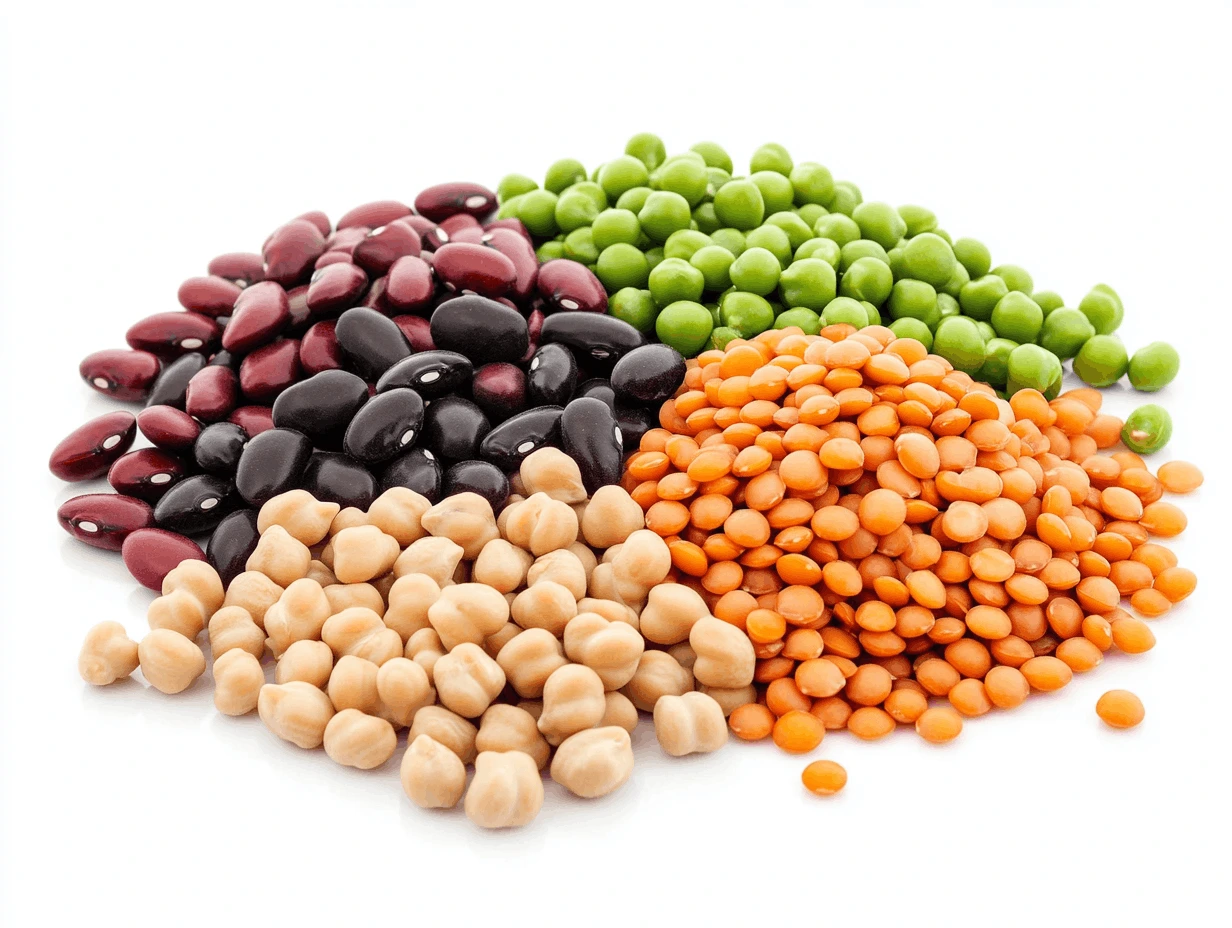
Lentils, chickpeas, black beans, kidney beans, tofu, and more. Full calorie data for every legume, straight from the USDA database. Look up calories per 100g or per serving, in metric or imperial.
| Food | Serving | Calories |
|---|---|---|
| Lentils, Red Boiled | 1 cup (198g) | 116 Cal |
| Lentils, Green Boiled | 1 cup (198g) | 116 Cal |
| Lentils, Black (Beluga) Boiled | 1 cup (198g) | 116 Cal |
| Chickpeas (Garbanzo Beans), Boiled | 1 cup (164g) | 164 Cal |
| Chickpeas, Canned (Drained) | 1 cup (240g) | 139 Cal |
| Black Beans, Boiled | 1 cup (172g) | 132 Cal |
| Black Beans, Canned (Drained) | 1 cup (240g) | 91 Cal |
| Kidney Beans, Red Boiled | 1 cup (177g) | 127 Cal |
| Kidney Beans, Red Canned (Drained) | 1 cup (256g) | 105 Cal |
| Pinto Beans, Boiled | 1 cup (171g) | 143 Cal |
| Navy Beans (Haricot), Boiled | 1 cup (182g) | 140 Cal |
| Cannellini (White) Beans, Boiled | 1 cup (179g) | 139 Cal |
| Borlotti (Cranberry) Beans, Boiled | 1 cup (177g) | 136 Cal |
| Butter Beans (Lima), Boiled | 1 cup (188g) | 115 Cal |
| Mung Beans, Boiled | 1 cup (202g) | 105 Cal |
| Adzuki Beans, Boiled | 1 cup (230g) | 128 Cal |
| Fava Beans (Broad Beans), Boiled | 1 cup (170g) | 110 Cal |
| Black-Eyed Peas, Boiled | 1 cup (171g) | 116 Cal |
| Split Peas, Yellow Boiled | 1 cup (196g) | 118 Cal |
| Split Peas, Green Boiled | 1 cup (196g) | 118 Cal |
| Soybeans, Boiled | 1 cup (172g) | 173 Cal |
| Edamame (Green Soybeans), Boiled | 1 cup (155g) | 121 Cal |
| Tofu, Firm Raw | ½ cup (126g) | 76 Cal |
| Tofu, Silken | ½ cup (126g) | 55 Cal |
| Tempeh | ½ cup (83g) | 193 Cal |
| Hummus (Commercial) | 2 tbsp (30g) | 177 Cal |
| Refried Beans, Canned | ½ cup (126g) | 90 Cal |
| Baked Beans, Canned (Plain) | ½ cup (127g) | 94 Cal |
| Chana Dal (Split Chickpeas), Boiled | 1 cup (200g) | 164 Cal |
| Urad Dal (Black Lentils), Boiled | 1 cup (200g) | 127 Cal |
| Toor Dal (Pigeon Peas), Boiled | 1 cup (196g) | 121 Cal |
| Lupin Beans, Boiled | 1 cup (166g) | 119 Cal |
| Great Northern Beans, Boiled | 1 cup (177g) | 118 Cal |
| Anasazi Beans, Boiled | 1 cup (177g) | 138 Cal |
| Flageolet Beans, Boiled | 1 cup (177g) | 115 Cal |
Data source: USDA FoodData Central. Values are approximate and may vary by variety and preparation method.
Legumes — the family that includes beans, lentils, chickpeas, and peas — are among the most nutrient-dense and affordable foods in any diet. They are exceptionally high in plant-based protein and dietary fiber while being very low in fat and saturated fat. A single cup of cooked lentils provides around 18g of protein, 16g of fiber, and significant amounts of folate, iron, magnesium, and potassium, all for around 230 calories.
The combination of protein and soluble fiber gives legumes a uniquely strong satiating effect. Protein and fiber both slow gastric emptying, helping you feel full for longer after a meal. This makes them one of the most effective foods for managing hunger on a calorie-controlled diet. Research consistently shows that people who regularly eat legumes have lower body weights, better blood lipid profiles, and improved blood sugar control compared to those who do not.
Legumes are also among the most sustainable foods in terms of environmental impact. They fix nitrogen in the soil, reducing the need for synthetic fertilisers, and produce far fewer greenhouse gas emissions per gram of protein than animal foods. Eating more legumes and less meat is one of the most impactful dietary changes a person can make for both personal health and environmental sustainability.
Home-cooked dried legumes and canned legumes have similar calorie and protein content, but key differences in sodium and texture. Most canned legumes contain 250 to 400mg of sodium per 100g from the brine they are packed in. Rinsing canned beans under cold running water removes roughly 40% of that sodium, making them a practical everyday option. Home-cooked legumes from dried give you full control over sodium content and are more economical for large quantities.
Browse calories and macros across all food groups in our USDA-backed nutrition database.
From leafy greens to root vegetables, explore calorie data for every vegetable. Compare raw and cooked values across broccoli, spinach, sweet potato, and more.
See calories for vegetables
From berries to tropical fruits, get full calorie data for every fresh, dried, and exotic fruit. Compare low-sugar options and track portions with ease.
See calories for fruits
Chicken, turkey, duck, and more. Full nutritional data for every cut. Compare calories and protein across lean and fatty poultry options.
See calories for poultry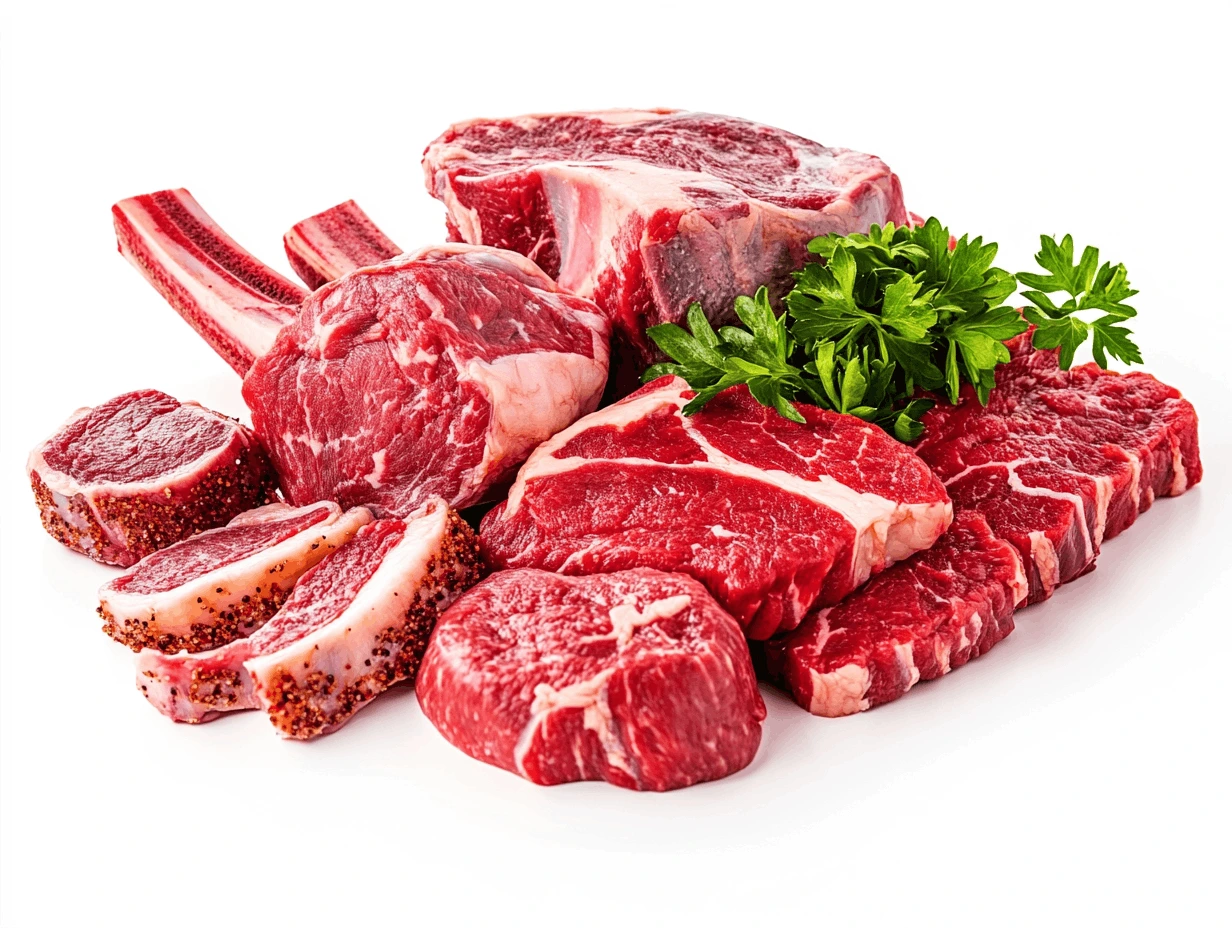
From ground beef to steak cuts, explore calories, protein, and fat across every variety. Compare lean vs. fatty cuts and track macros by raw or cooked weight.
See calories for beef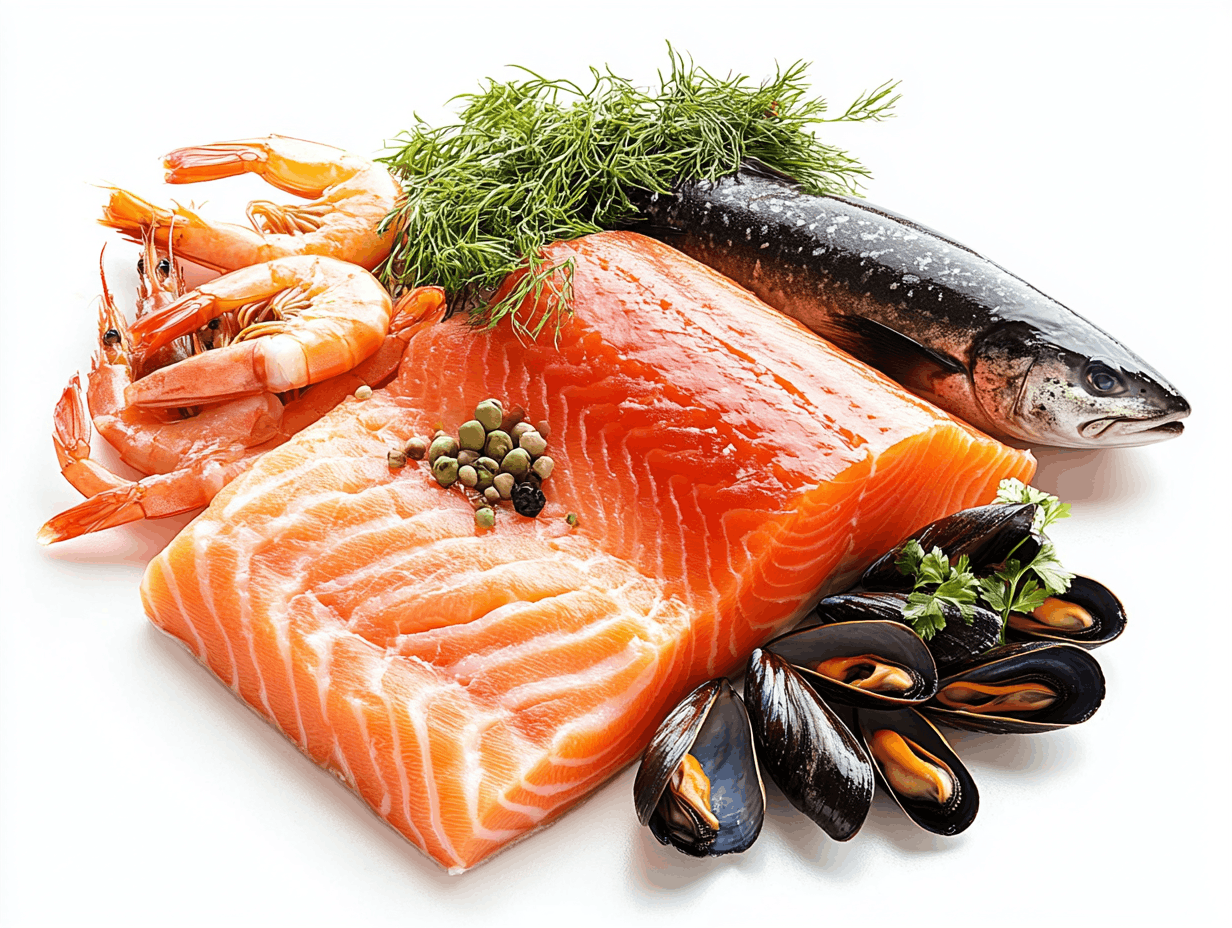
Rich in omega-3s and lean protein, fish and seafood are among the healthiest animal foods. Compare calories across salmon, tuna, shrimp, and more.
See calories for fish & seafood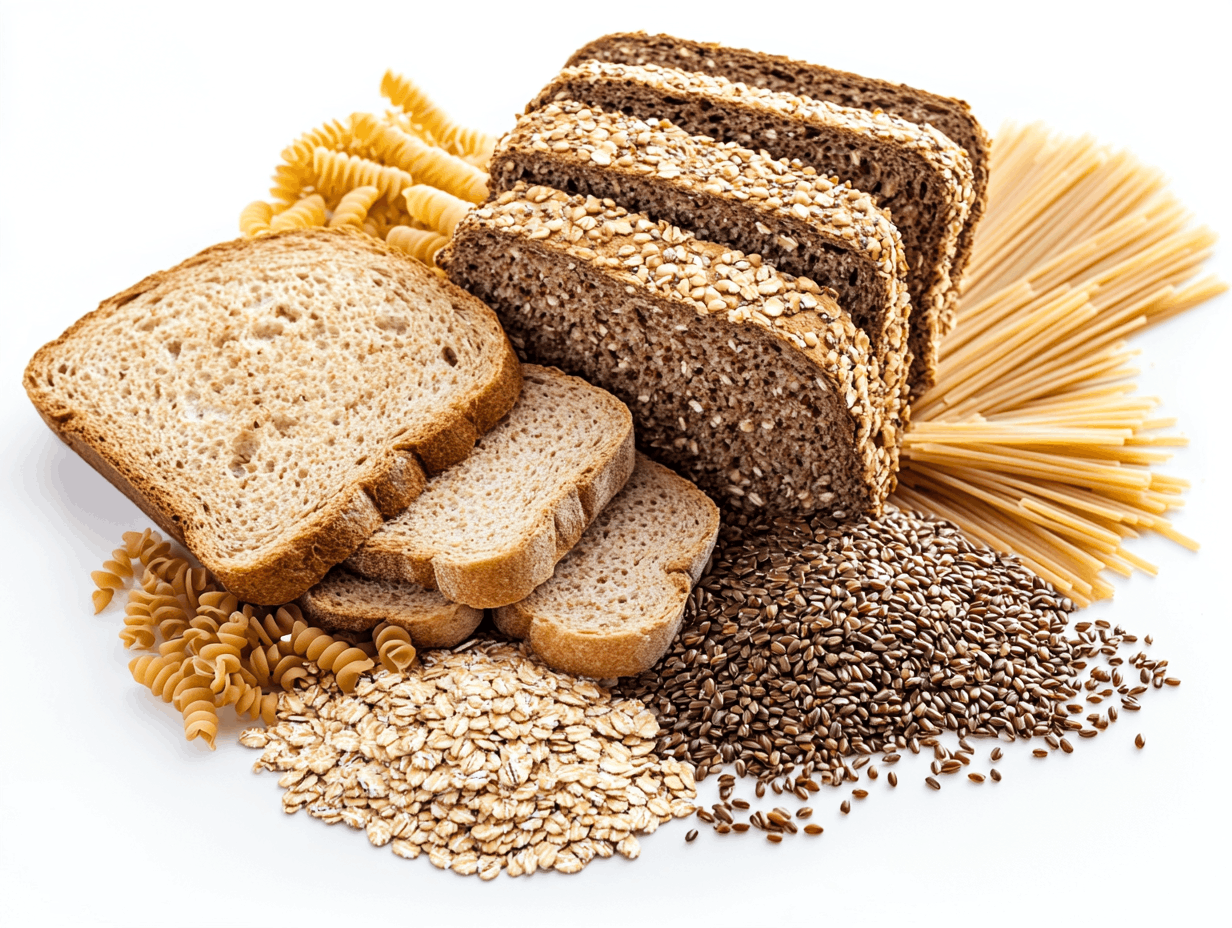
Rice, oats, pasta, and bread: grains are your main source of carbohydrates and energy. Browse by cooked or dry weight and track calories across common staples.
See calories for grains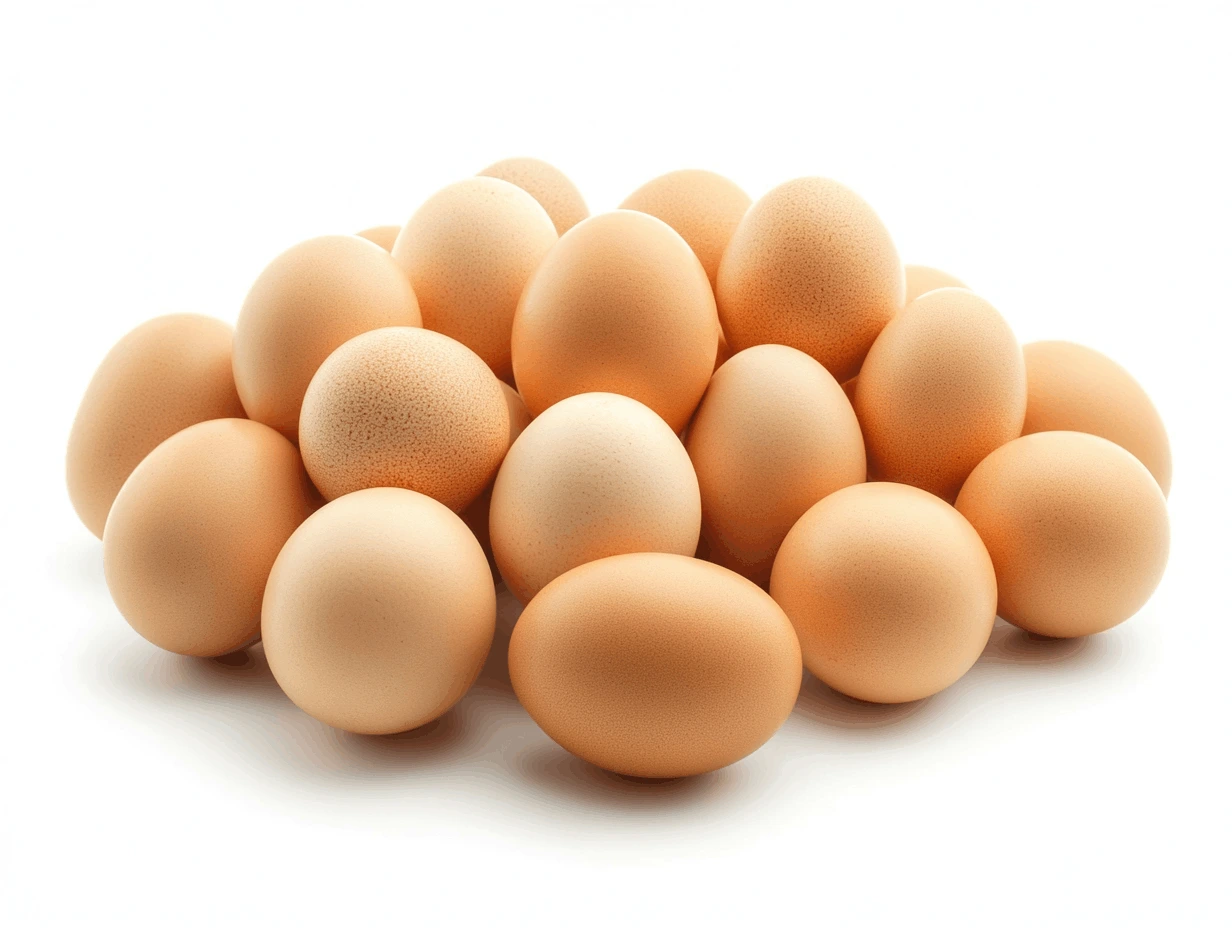
A complete protein source with essential amino acids, vitamins, and healthy fats. Track calories by whole egg, white, or yolk across different preparation methods.
See calories for eggs
Milk, yogurt, and cream offer calcium and protein in every serving. Compare full-fat vs. low-fat options and track macros across your favourite dairy staples.
See calories for dairy products
Calorie-dense and rich in healthy fats, nuts and seeds make every gram count. Compare protein, fat, and carb content across varieties to optimize snacking.
See calories for nuts & seeds
From fresh mozzarella to aged parmesan, cheese is rich in protein, fat, and calcium. Compare calories and macros across varieties and track portions by slice or gram.
See calories for cheese
Pork offers versatile cuts from lean tenderloin to rich belly. Compare calories and macros across chops, ribs, and ground pork to make informed choices.
See calories for porkGet the numbers that actually matter for your health. From body composition to daily calorie targets, our calculators give you a clear, personalized starting point. No account needed.
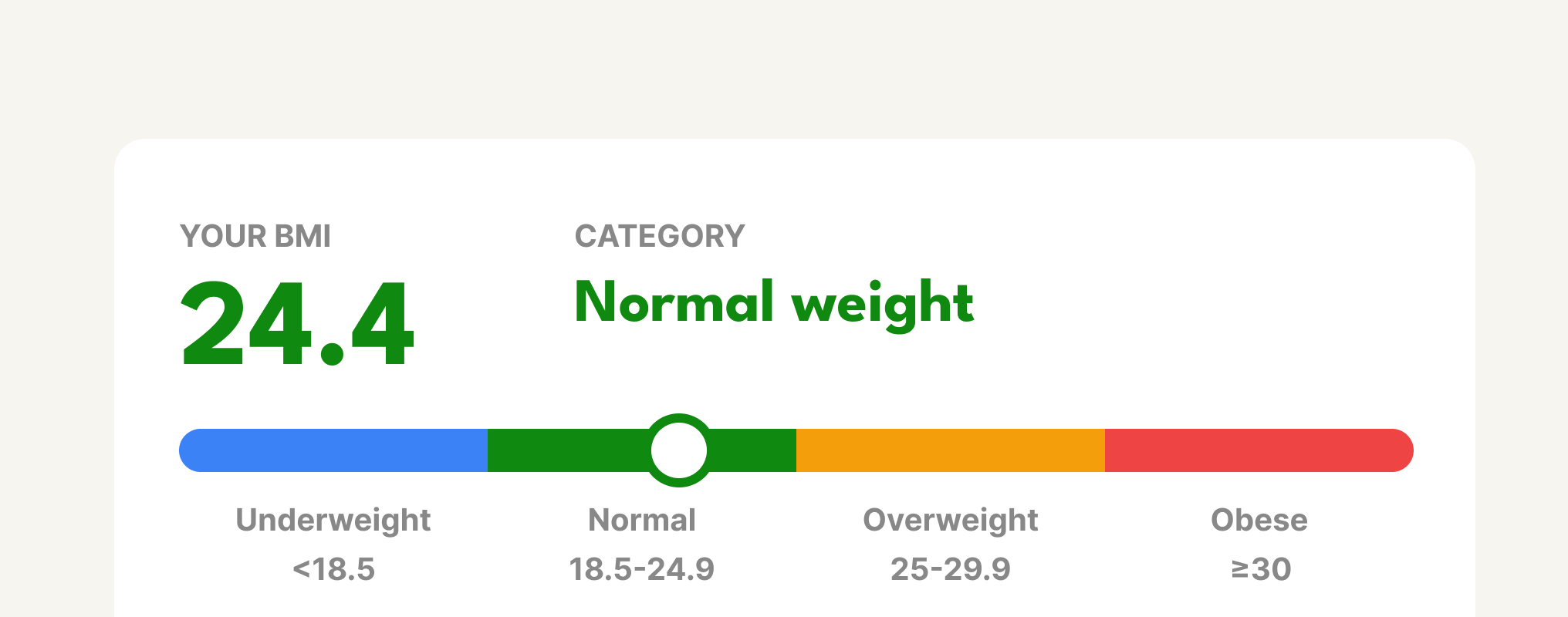
Find out if your weight is in a healthy range for your height. A quick first step to understanding your body and setting realistic health goals.
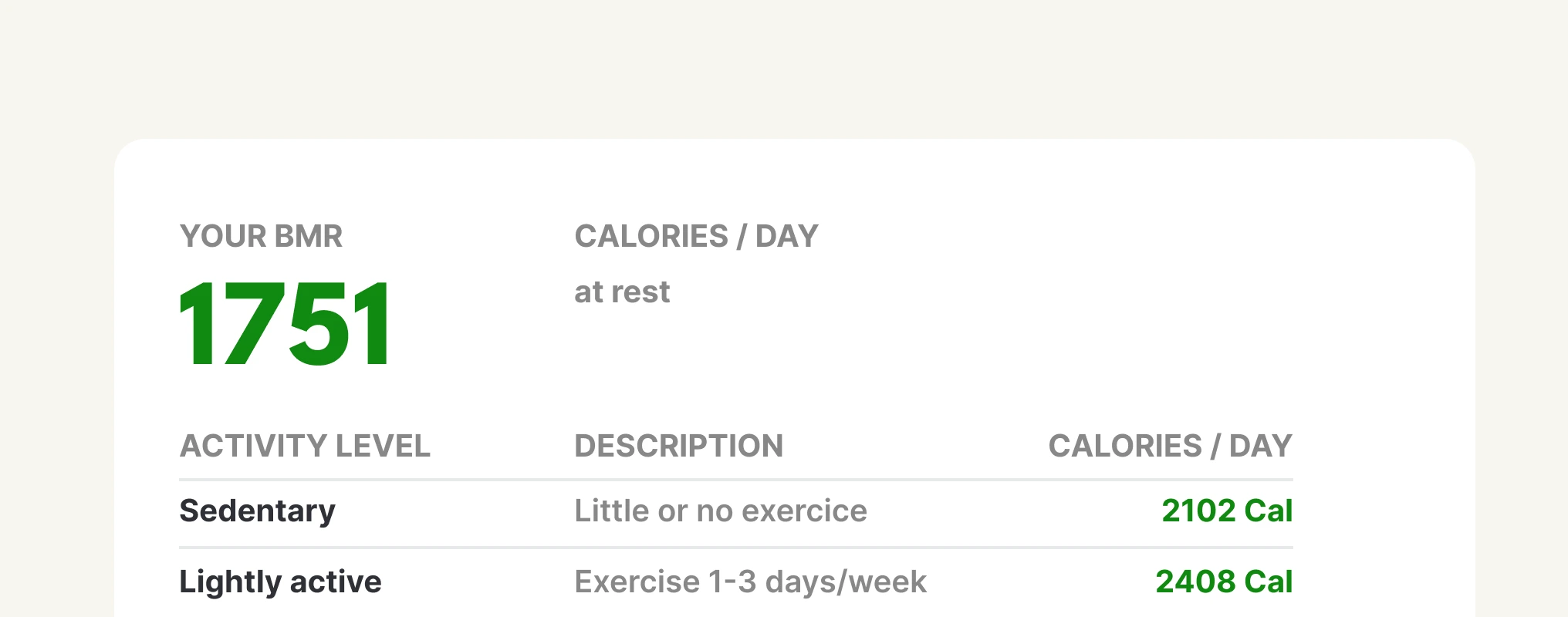
Discover how many calories your body burns at complete rest. Your BMR is the foundation of any smart nutrition or weight management plan.
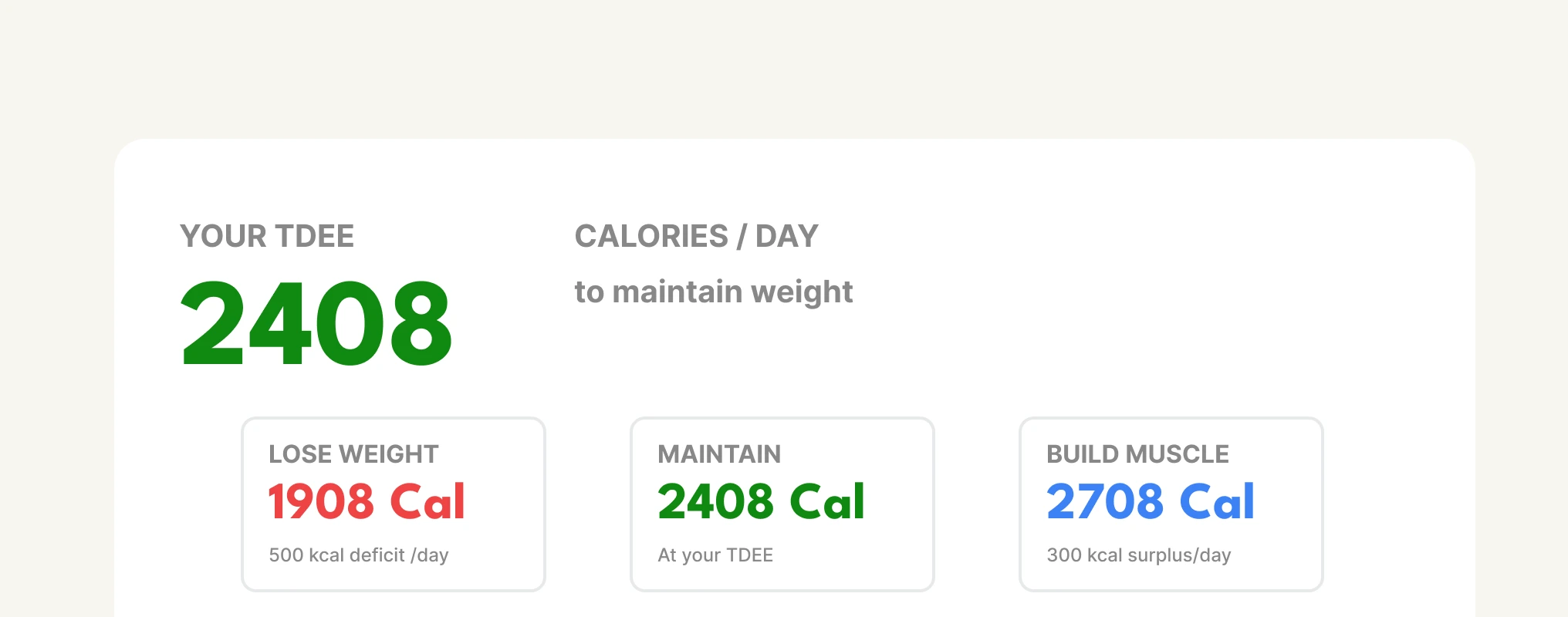
Get the exact number of calories your body needs based on your weight, height, age, and activity level.
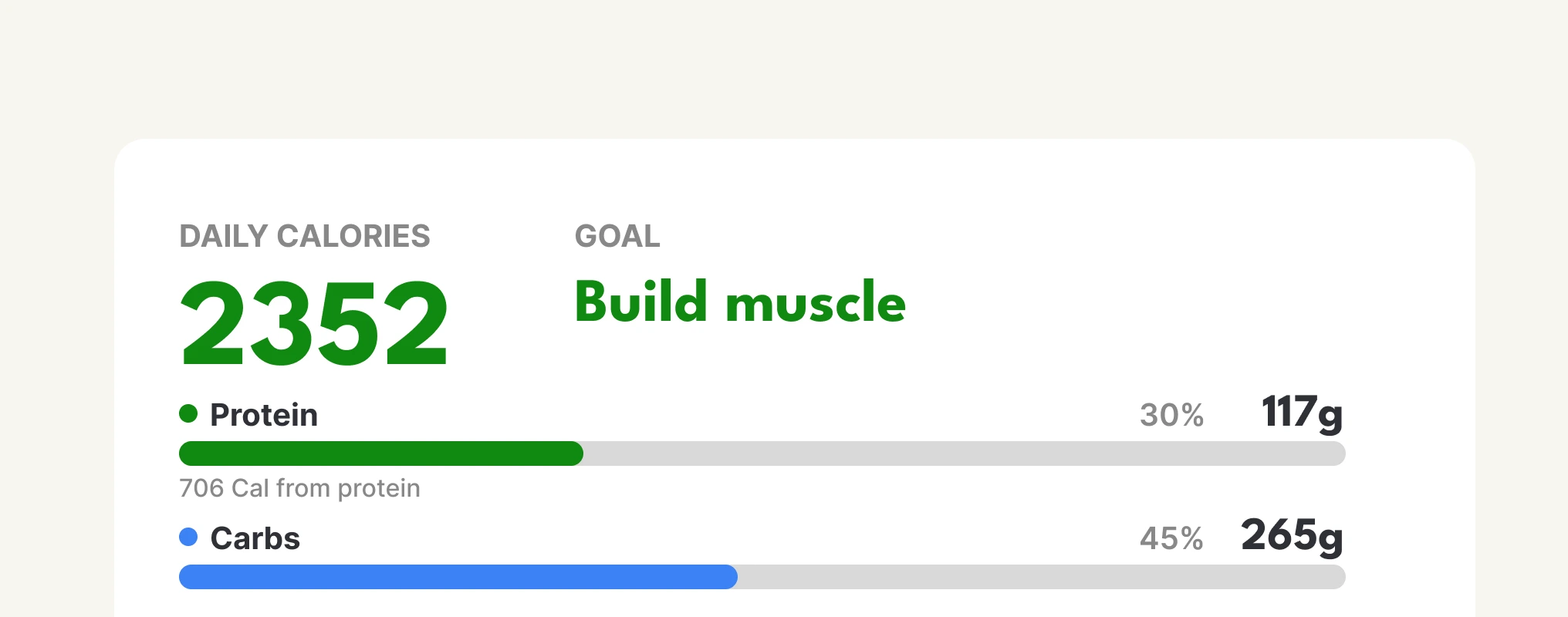
Find your ideal protein, carb, and fat targets based on your goals. Whether you're cutting, bulking, or maintaining, get a macro split tailored to you.
One cup of cooked lentils (about 198g) contains approximately 230 calories, with 18g of protein, 40g of carbohydrates, and 15.6g of fiber. Lentils are one of the most nutritionally efficient plant foods available, combining high protein, high fiber, and very low fat in a single food. They also provide significant amounts of folate, iron, manganese, and phosphorus.
Yes, legumes are among the best plant-based protein sources. Soybeans contain the most at around 16.6g of protein per 100g cooked, followed by lupin beans at 15.6g and tempeh at 18.5g per 100g. Lentils and chickpeas come in at around 8.9g per 100g. While legume proteins are not complete in isolation, combining them with grains across the day provides all essential amino acids.
Beans are excellent for weight management. They are high in both protein and fiber, which together promote satiety and help reduce overall calorie intake. A cup of cooked black beans provides around 227 calories with 15g of protein and 15g of fiber. The resistant starch in beans also feeds beneficial gut bacteria and has a low glycaemic impact, meaning they do not cause rapid blood sugar spikes.
One cup of cooked chickpeas (about 164g) contains approximately 269 calories, with 14.5g of protein, 45g of carbohydrates, and 12.5g of fiber. Canned chickpeas are slightly lower at around 139 calories per 100g. Chickpeas are rich in folate, iron, manganese, copper, and phosphorus, making them one of the most nutritionally complete legumes.
Dried beans that you cook yourself are generally lower in sodium and slightly higher in nutrients than canned varieties. Canned beans are pre-cooked and packed in salted water, which significantly increases their sodium content. Rinsing canned beans under cold water removes about 40% of the added sodium. Calories and protein content are broadly similar between canned and home-cooked.
Tofu is made from soybeans, which are legumes, so it is a legume-derived food. Firm tofu contains around 76 calories per 100g with 8.1g of protein, making it one of the most protein-efficient plant foods by calorie count. Unlike whole beans, tofu is low in carbohydrates and fiber but retains soy's high-quality protein. Silken tofu is softer with a slightly lower protein content at around 5.3g per 100g.
Commercial hummus contains approximately 177 calories per 100g, with 4.9g of protein, 14.3g of carbohydrates, and 10.7g of fat from olive oil and tahini. A standard 2-tablespoon (30g) serving contains around 53 calories. The fat in hummus is largely monounsaturated, coming from olive oil. Home-made hummus can vary significantly in calories depending on how much oil and tahini is added.
Both are highly nutritious and comparable in protein at around 8.9g per 100g cooked. Lentils are lower in calories at around 116 per 100g versus 164 for chickpeas, and higher in fiber relative to their calorie count. Chickpeas contain more fat (mainly healthy unsaturated fat) and slightly more iron. Lentils are particularly high in folate and faster to cook since they do not require soaking. Most people benefit from eating both regularly.
Legumes can cause bloating in some people, particularly those who do not eat them regularly. This is due to oligosaccharides that gut bacteria ferment, producing gas. Soaking dried beans overnight and discarding the soaking water before cooking reduces this significantly. Starting with smaller portions and gradually increasing intake over several weeks also allows gut bacteria to adapt. Lentils and split peas tend to cause less gas than larger beans.
Tempeh is a fermented soybean product with a firm texture and nutty flavour. It contains around 193 calories per 100g and 18.5g of protein, significantly more than tofu. Tempeh retains the whole soybean, giving it more fiber and a more complex flavour. Fermentation also increases the bioavailability of some nutrients and adds a small probiotic benefit. Both are versatile plant-based protein sources worth including in a varied diet.
Navy beans (also called haricot beans) top the list with approximately 10.5g of fiber per 100g cooked. Pinto beans follow at 9g, and split peas and green lentils are close behind at around 8g per 100g cooked. Most cooked legumes provide between 6 and 9g of fiber per 100g, making them among the highest fiber foods in any diet.
Legumes are generally considered ideal foods for people managing blood sugar. They have a low glycaemic index, meaning they are digested slowly and cause only a gradual rise in blood glucose. Numerous studies have shown that regular legume consumption improves long-term blood sugar control in people with type 2 diabetes. Canned beans with added sugar or refried beans cooked with lard should be avoided or limited.
One cup of cooked black beans (about 172g) contains approximately 227 calories, with 15.2g of protein, 40.8g of carbohydrates, and 15g of fiber. Black beans are also a good source of iron, magnesium, folate, and antioxidants including anthocyanins. The combination of protein and fiber makes them one of the most filling legumes per calorie.
Among whole cooked legumes, soybeans are the highest in protein at around 16.6g per 100g. Tempeh, made from fermented soybeans, contains even more at 18.5g per 100g. Lupin beans are a close second at 15.6g per 100g. Soybeans also have a complete amino acid profile, which is rare for plant proteins and makes soy-based foods particularly valuable in plant-based diets.
Lentils are smaller, lens-shaped, and cook quickly without soaking in 20 to 30 minutes. Beans are larger, rounder, and generally require soaking overnight and longer cooking. Nutritionally they are broadly similar, though lentils are particularly high in folate and tend to be slightly lower in calories than most beans. Red lentils break down when cooked, while green and black lentils hold their shape.
One cup of boiled edamame (about 155g) contains approximately 188 calories, with 18.4g of protein, 13.8g of carbohydrates, and 8.1g of fat. Edamame are immature soybeans and one of the few plant foods that provide a complete protein. Their relatively high fat content (mainly polyunsaturated) contributes to their calorie density compared to other legumes.
Refried beans can be a reasonable choice depending on preparation. Canned vegetarian refried beans are typically low in fat but high in sodium, around 477mg per 100g. At around 90 calories per 100g with 5g of protein and 4.8g of fiber, they are nutritious in moderation. Choosing lower-sodium varieties or rinsing helps, and traditional versions made with lard should be avoided if saturated fat is a concern.
Cooked legumes keep well in the refrigerator for 3 to 5 days in an airtight container. They also freeze extremely well for up to 6 months. Batch cooking and portioning into 200 to 250g servings to freeze is a practical strategy that gives you the nutritional benefits of home-cooked legumes with the convenience of canned.
Regular legume consumption is consistently associated with better health outcomes. Benefits include improved blood cholesterol levels, better blood sugar control, reduced risk of heart disease, and support for healthy gut bacteria. Legumes are also one of the most affordable sources of complete nutrition, and most dietary guidelines recommend eating them 3 to 4 times per week.
One cup of cooked red kidney beans (about 177g) contains approximately 225 calories, with 15.4g of protein, 40.4g of carbohydrates, and 13.1g of fiber. Kidney beans should always be cooked thoroughly, as raw or undercooked kidney beans contain phytohaemagglutinin, a naturally occurring toxin. Boiling for at least 10 minutes after soaking destroys this toxin completely.