Body Mass Index (BMI) Calculator
Enter your weight and height to instantly calculate your Body Mass Index. Find out which category you fall into and what your result means for your health.
What Is Body Mass Index (BMI)?
BMI, or Body Mass Index, is a simple numerical value calculated from your height and weight. It was developed as a practical screening tool to help identify whether a person falls within a healthy weight range for their height.
The formula is straightforward: your weight in kilograms divided by your height in meters squared (kg/m²). If you're using imperial units, don't worry — our calculator handles the conversion automatically.
BMI is widely used by healthcare professionals around the world because it's quick, free, and gives a useful general picture of your body weight status. While it's not a perfect measure of health on its own, it's a meaningful starting point for understanding your body and setting realistic goals.
BMI Categories & What They Mean
Once you calculate your BMI, here's how to interpret your result:
Underweight — BMI below 18.5
A BMI under 18.5 may suggest that your body isn't getting all the nutrients and energy it needs. If this is your result, speaking with a healthcare provider can help you build a plan to reach a healthier weight.
Healthy Weight — BMI 18.5 to 24.9
This is the sweet spot! A BMI in this range is generally associated with a lower risk of weight-related health conditions. If you're here, great work — focus on maintaining your healthy habits.
Overweight — BMI 25 to 29.9
A BMI in this range may indicate that you're carrying a little more weight than is ideal for your height. Small, sustainable lifestyle changes — like adding more movement to your day or adjusting your diet — can make a real difference.
Obese — BMI 30 and above
A BMI of 30 or higher is associated with a higher risk of conditions like heart disease, type 2 diabetes, and high blood pressure. The good news? Even modest weight loss can bring meaningful health benefits. You don't have to do it all at once.
Every Healthy Journey Starts Somewhere
No matter what your BMI result is today, the most important thing is that you're here, taking action. Knowledge is power — and now that you know your number, you can set a goal, track your progress, and celebrate every step forward. Small changes, made consistently, lead to big results. You've got this.
More free nutrition calculators
Go further with your nutrition data. Each calculator builds on the last — use them together for a complete picture.
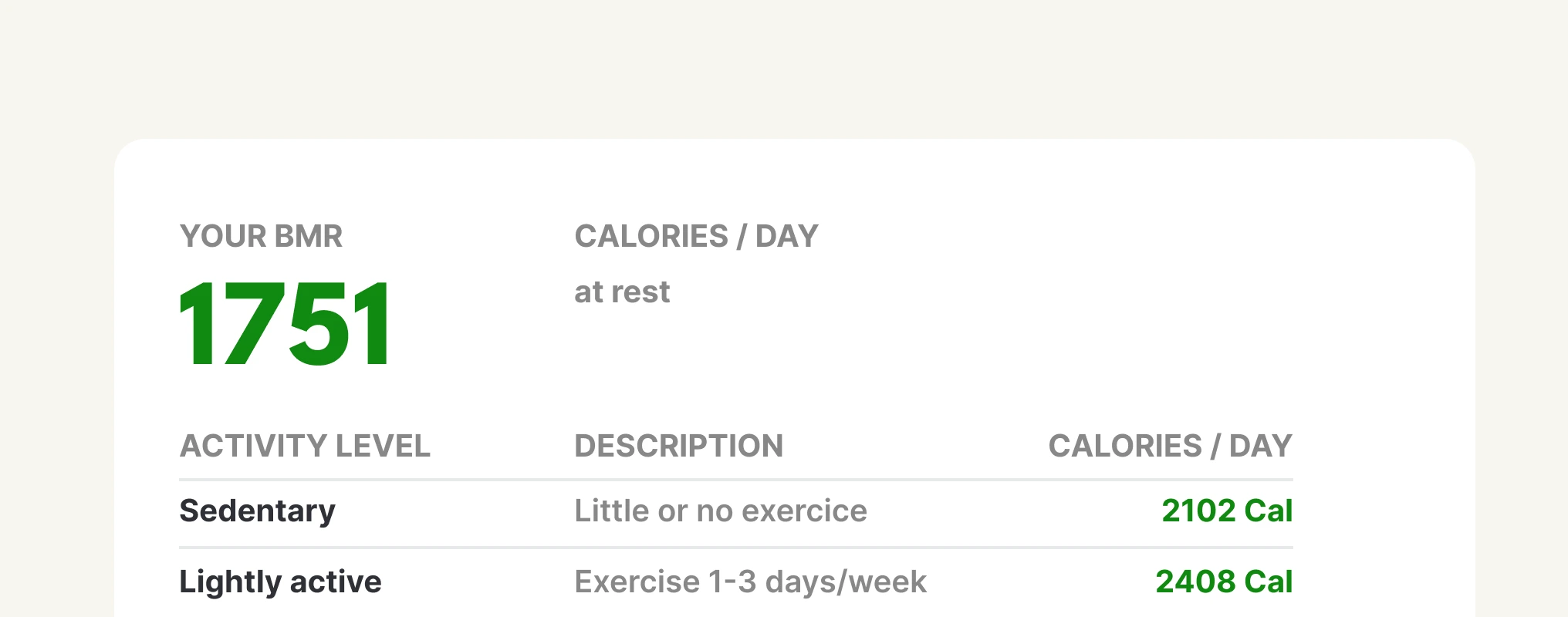
Basal Metabolic Rate (BMR) Calculator
Discover how many calories your body burns at complete rest. Your BMR is the foundation of any smart nutrition or weight management plan.
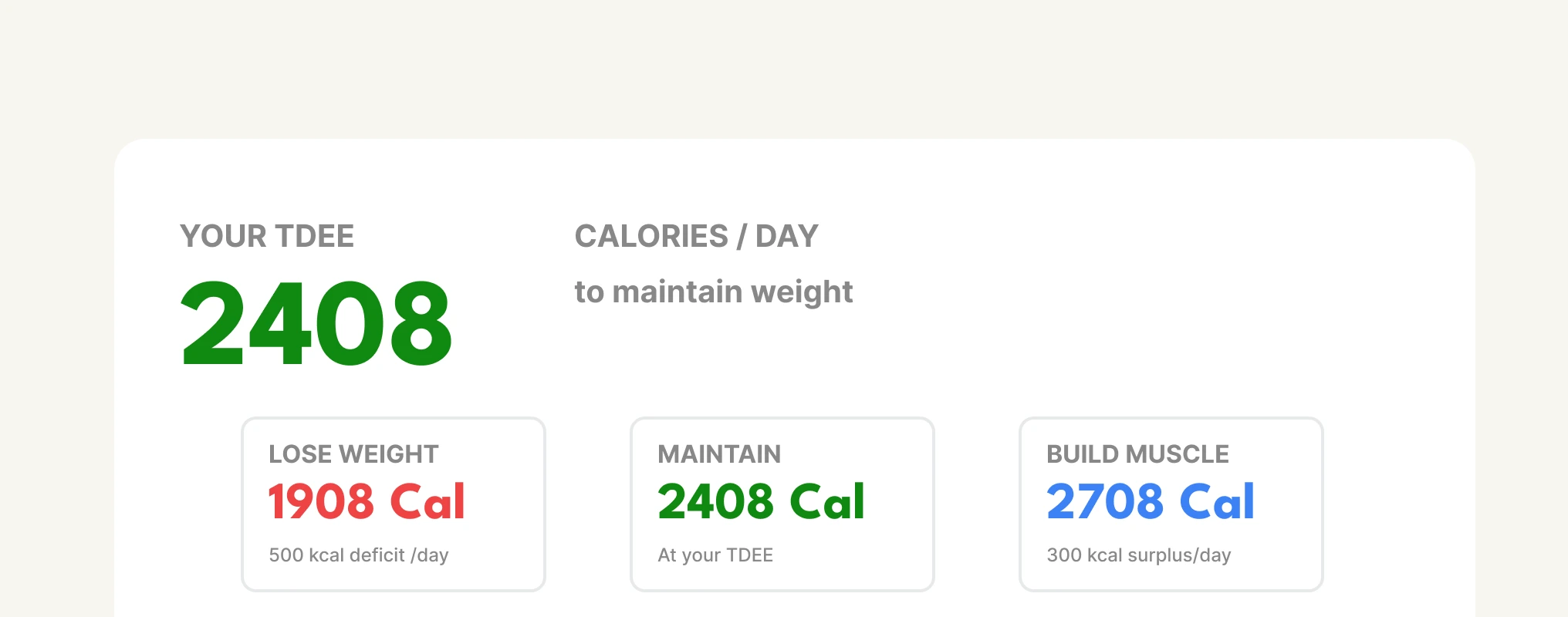
Total Daily Energy Expenditure (TDEE) Calculator
Get the exact number of calories your body needs based on your weight, height, age, and activity level.
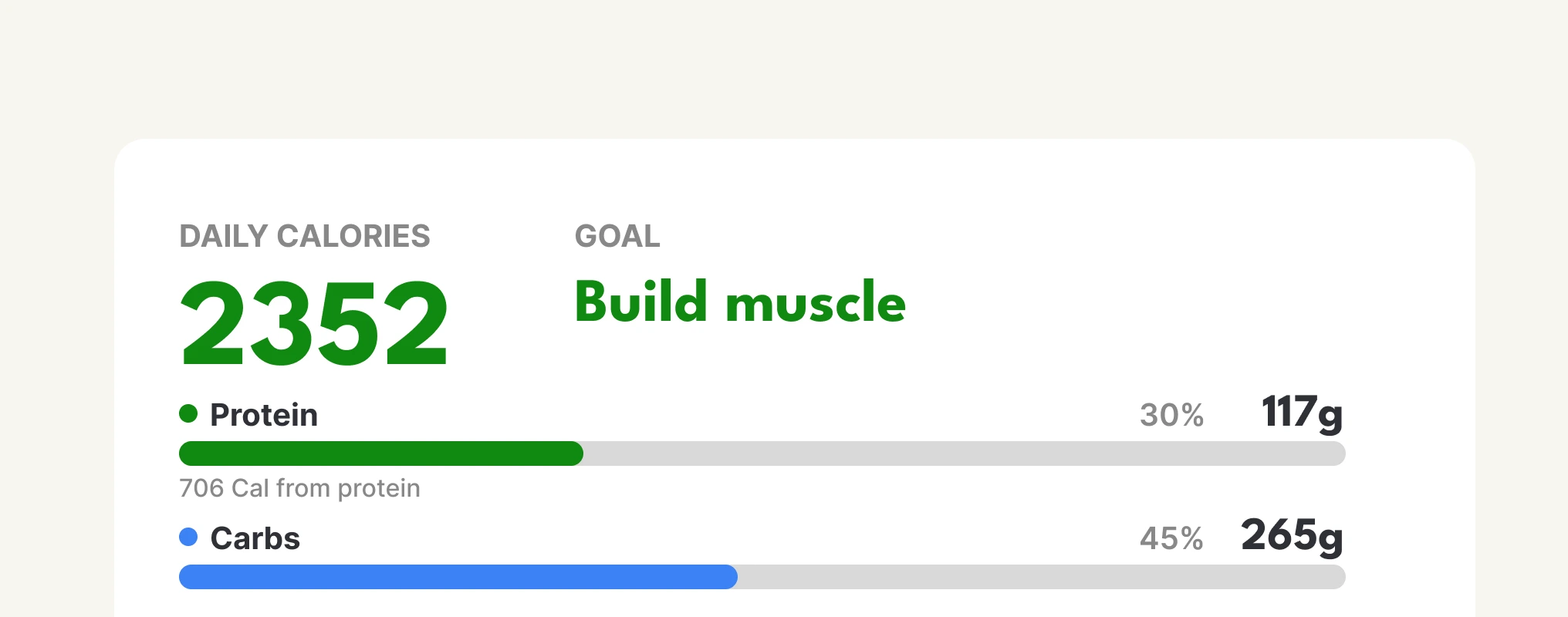
Macro Calculator
Find your ideal protein, carb, and fat targets based on your goals. Whether cutting, bulking, or maintaining — get a macro split tailored to you.
Explore whole foods
Browse Food Categories
Look up calories and macros for hundreds of whole foods — from chicken and beef to fruits, grains, and dairy.
Explore Food CategoriesBMI Calculator FAQ
How did I calculate my BMI?
Your BMI was calculated using a simple formula: your weight divided by your height squared. If you used metric units, that's your weight in kilograms divided by your height in meters squared (kg/m²). If you entered imperial units (pounds and inches), our calculator automatically converted the values for you. It's that simple — no math skills needed!
What is a normal body mass index?
A "normal" or healthy BMI falls between 18.5 and 24.9. This range is generally associated with a lower risk of weight-related health issues like heart disease, diabetes, and high blood pressure. That said, BMI is just one indicator of health — it works best when combined with other measures like diet, activity level, and regular check-ups.
What is the ideal BMI for my age?
For adults aged 20 and over, the standard healthy BMI range is 18.5 to 24.9, regardless of age. However, for older adults (65+), some research suggests that a slightly higher BMI (around 25 to 27) may actually be protective against certain health risks. For children and teenagers, BMI is assessed differently using age- and sex-specific growth charts. When in doubt, your doctor can give you the most personalized guidance.
Is a BMI of 22 considered skinny?
Not at all! A BMI of 22 falls comfortably in the healthy weight range (18.5–24.9). It's a great place to be. "Skinny" is often associated with a BMI below 18.5, which falls into the underweight category. A BMI of 22 suggests a good balance between your height and weight — something to feel proud of!
Should I lose weight if my BMI is 22?
Generally speaking, no. A BMI of 22 is right in the middle of the healthy range, which means your weight is well-proportioned to your height. Rather than focusing on losing weight, the priority at this BMI should be maintaining your healthy habits — staying active, eating a balanced diet, and getting enough sleep. If you have specific concerns, always check with a healthcare professional.
Does age affect BMI?
The BMI formula itself doesn't change with age, but how we interpret the results can. As we get older, our body composition naturally shifts — we tend to lose muscle and gain fat, even if our weight stays the same. This means two people with identical BMIs can have very different body compositions depending on their age. For older adults, a slightly higher BMI may even be beneficial. Age is definitely a factor worth discussing with your doctor when reviewing your results.
How to calculate BMI at home?
Calculating your BMI at home is easy! All you need is your height and weight. If you're using the metric system, divide your weight in kilograms by your height in meters squared. For example, if you weigh 70 kg and are 1.75 m tall: 70 ÷ (1.75 × 1.75) = 22.9. If you prefer pounds and inches, multiply your weight in pounds by 703, then divide by your height in inches squared. Or, skip the math entirely and use our free calculator above — it does everything for you in seconds!
What are the new BMI guidelines?
In recent years, health organizations have begun to refine how BMI is used and interpreted. The American Medical Association (AMA), for example, updated its guidance in 2023 to recommend that BMI should not be used as the sole measure of a person's health. New approaches now encourage looking at BMI alongside other indicators such as waist circumference, body fat percentage, and metabolic markers. BMI remains a useful starting point, but the medical community increasingly recognizes that it tells only part of the story.
How can I lower my BMI naturally?
The good news is that lowering your BMI naturally is entirely achievable with consistent, sustainable habits. Start by focusing on a balanced, nutrient-rich diet — plenty of vegetables, lean proteins, whole grains, and healthy fats. Pair that with regular physical activity you actually enjoy, whether that's walking, cycling, dancing, or swimming. Prioritize quality sleep, manage stress, and stay hydrated. Small, steady changes tend to stick far better than crash diets or extreme workouts. Progress over perfection — every positive choice counts!