Calories in Vegetables
Broccoli, spinach, sweet potato, and more. Full calorie data for every vegetable, straight from the USDA database. Look up calories per 100g or per serving, in metric or imperial.
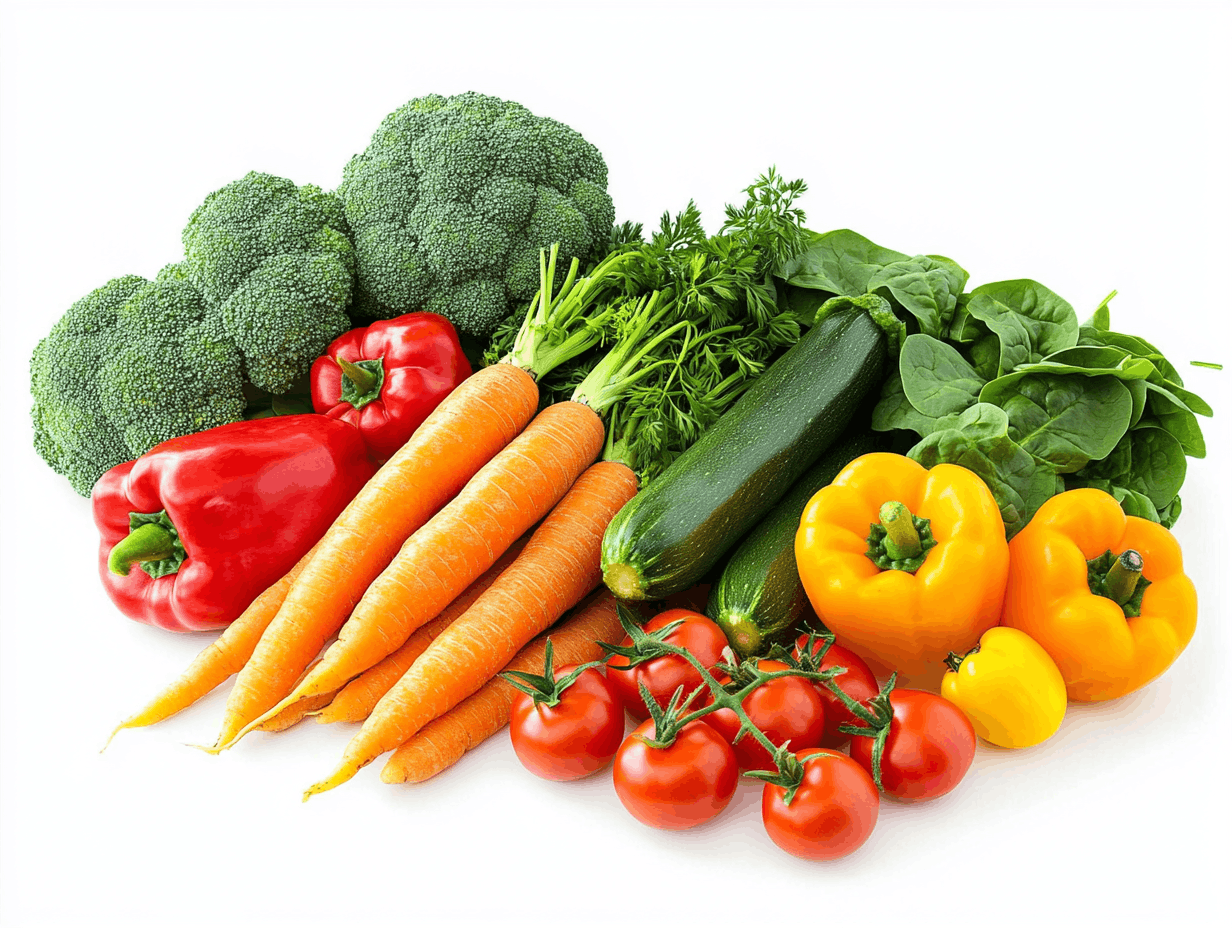
Broccoli, spinach, sweet potato, and more. Full calorie data for every vegetable, straight from the USDA database. Look up calories per 100g or per serving, in metric or imperial.
| Food | Serving | Calories |
|---|---|---|
| Broccoli, Raw | 1 cup chopped (91g) | 34 Cal |
| Broccoli, Boiled | 1 cup chopped (156g) | 35 Cal |
| Spinach, Raw | 1 cup (30g) | 23 Cal |
| Spinach, Boiled | 1 cup (180g) | 23 Cal |
| Carrot, Raw | 1 medium (61g) | 41 Cal |
| Carrot, Boiled | 1 cup sliced (156g) | 35 Cal |
| Sweet Potato, Raw | 1 medium (130g) | 86 Cal |
| Sweet Potato, Baked (With Skin) | 1 medium (114g) | 90 Cal |
| Potato, White Raw (With Skin) | 1 medium (213g) | 69 Cal |
| Potato, Baked (With Skin) | 1 medium (173g) | 93 Cal |
| Tomato, Red Raw | 1 medium (123g) | 18 Cal |
| Cucumber, Raw (With Peel) | ½ cup sliced (52g) | 15 Cal |
| Bell Pepper, Red Raw | 1 medium (119g) | 31 Cal |
| Bell Pepper, Green Raw | 1 medium (119g) | 20 Cal |
| Onion, Raw | 1 medium (110g) | 40 Cal |
| Garlic, Raw | 1 clove (3g) | 149 Cal |
| Zucchini, Raw | 1 medium (196g) | 17 Cal |
| Zucchini, Boiled | 1 cup sliced (180g) | 17 Cal |
| Cauliflower, Raw | 1 cup chopped (107g) | 25 Cal |
| Cauliflower, Boiled | 1 cup (124g) | 23 Cal |
| Green Beans, Raw | 1 cup (110g) | 31 Cal |
| Green Beans, Boiled | 1 cup (125g) | 35 Cal |
| Green Peas, Raw | 1 cup (145g) | 81 Cal |
| Green Peas, Boiled | 1 cup (160g) | 84 Cal |
| Corn, Yellow Raw | 1 ear (90g) | 86 Cal |
| Corn, Yellow Boiled | 1 ear (77g) | 96 Cal |
| Mushroom, White Raw | 1 cup sliced (70g) | 22 Cal |
| Mushroom, White Grilled | 1 cup (121g) | 28 Cal |
| Lettuce, Romaine Raw | 1 cup shredded (47g) | 17 Cal |
| Kale, Raw | 1 cup chopped (67g) | 49 Cal |
| Kale, Boiled | 1 cup chopped (130g) | 28 Cal |
| Asparagus, Raw | 5 spears (85g) | 20 Cal |
| Asparagus, Boiled | 1 cup (180g) | 22 Cal |
| Celery, Raw | 1 stalk (40g) | 16 Cal |
| Eggplant, Raw | 1 cup cubed (82g) | 25 Cal |
| Eggplant, Boiled | 1 cup cubed (99g) | 33 Cal |
| Cabbage, Green Raw | 1 cup shredded (89g) | 25 Cal |
| Brussels Sprouts, Raw | 1 cup (88g) | 43 Cal |
| Brussels Sprouts, Boiled | 1 cup (156g) | 36 Cal |
| Beet, Raw | 1 medium (82g) | 43 Cal |
| Beet, Boiled | 1 cup sliced (170g) | 44 Cal |
| Pumpkin, Raw | 1 cup cubed (116g) | 26 Cal |
| Pumpkin, Boiled | 1 cup mashed (245g) | 20 Cal |
| Leek, Raw | 1 leek (89g) | 61 Cal |
| Artichoke, Boiled | 1 medium (120g) | 53 Cal |
| Radish, Raw | 10 radishes (45g) | 16 Cal |
| Butternut Squash, Raw | 1 cup cubed (140g) | 45 Cal |
| Butternut Squash, Baked | 1 cup cubed (205g) | 40 Cal |
| Turnip, Raw | 1 medium (122g) | 28 Cal |
| Bok Choy, Raw | 1 cup shredded (70g) | 13 Cal |
| Cherry Tomato, Raw | 1 cup (149g) | 18 Cal |
| Fennel, Raw | 1 cup sliced (87g) | 31 Cal |
| Rutabaga, Raw | 1 cup cubed (140g) | 37 Cal |
| Rutabaga, Boiled | 1 cup cubed (170g) | 39 Cal |
| Parsnip, Raw | 1 medium (133g) | 75 Cal |
| Parsnip, Boiled | 1 cup sliced (156g) | 71 Cal |
| Celeriac, Raw | 1 cup (156g) | 42 Cal |
| Kohlrabi, Raw | 1 cup (135g) | 27 Cal |
| Shallot, Raw | 1 tbsp chopped (10g) | 72 Cal |
| Spring Onion (Scallion), Raw | 1 cup chopped (100g) | 32 Cal |
| Ginger Root, Raw | 1 tsp grated (2g) | 80 Cal |
| Swiss Chard, Raw | 1 cup chopped (36g) | 19 Cal |
| Swiss Chard, Boiled | 1 cup (175g) | 20 Cal |
| Arugula (Rocket), Raw | 1 cup (20g) | 25 Cal |
| Watercress, Raw | 1 cup chopped (34g) | 11 Cal |
| Endive, Raw | 1 cup chopped (50g) | 17 Cal |
| Radicchio, Raw | 1 cup shredded (40g) | 23 Cal |
| Collard Greens, Raw | 1 cup chopped (36g) | 32 Cal |
| Collard Greens, Boiled | 1 cup (190g) | 33 Cal |
| Mustard Greens, Raw | 1 cup chopped (56g) | 27 Cal |
| Beet Greens, Raw | 1 cup (38g) | 22 Cal |
| Acorn Squash, Baked | 1 cup cubed (205g) | 56 Cal |
| Spaghetti Squash, Baked | 1 cup (155g) | 31 Cal |
| Delicata Squash, Baked | 1 cup cubed (116g) | 40 Cal |
| Snap Peas (Sugar Snap), Raw | 1 cup (63g) | 42 Cal |
| Edamame, Boiled | 1 cup (155g) | 121 Cal |
| Okra, Raw | 1 cup (100g) | 33 Cal |
| Okra, Boiled | 1 cup (160g) | 36 Cal |
| Fava Beans (Broad Beans), Boiled | 1 cup (170g) | 110 Cal |
| Chilli Pepper, Red Raw | 1 pepper (45g) | 40 Cal |
| Jalapeño Pepper, Raw | 1 pepper (14g) | 29 Cal |
| Tomatillo, Raw | 1 medium (34g) | 32 Cal |
| Bamboo Shoots, Canned | 1 cup sliced (131g) | 17 Cal |
| Water Chestnuts, Canned | 1 cup sliced (140g) | 50 Cal |
| Jicama, Raw | 1 cup sliced (120g) | 38 Cal |
Data source: USDA FoodData Central. Values are approximate and may vary by variety, preparation, and cooking method.
Vegetables are the most nutrient-dense foods on the planet relative to their calorie content. Whether you're managing your weight, improving your health, or simply trying to eat better, no other food group delivers as much nutritional value per calorie. From dark leafy greens rich in vitamins K and A, to cruciferous vegetables packed with cancer-fighting compounds, to colorful peppers loaded with vitamin C. Each vegetable brings a unique set of benefits to the table.
The sheer variety of vegetables means there is something for every taste, cooking style, and dietary approach. Low-carb diets lean on leafy greens, zucchini, and cauliflower. Higher-carb performance diets incorporate sweet potatoes, corn, and peas. Mediterranean diets feature tomatoes, eggplant, and artichokes. Whatever your approach, vegetables should form the backbone of your daily eating.
Beyond vitamins and minerals, vegetables provide dietary fiber: essential for digestive health, satiety, and blood sugar regulation. Most adults fall significantly short of the recommended 25–38g of daily fiber, and increasing vegetable intake is one of the simplest and most effective ways to close that gap.
Cooking changes vegetables in two important ways: it alters their water content (and therefore their calorie density per gram), and it changes the bioavailability of certain nutrients. Most vegetables lose water during cooking, which means cooked vegetables are more calorie-dense per gram than raw, though you may eat a smaller volume of cooked vegetables, keeping total calories similar.
For practical calorie tracking, the most accurate approach is to weigh vegetables raw before cooking and use raw nutritional data, or weigh them after cooking and use cooked values. Avoid estimating cooked vegetable portions using raw calorie figures, as the difference can be significant.
Browse calories and macros across all food groups in our USDA-backed nutrition database.
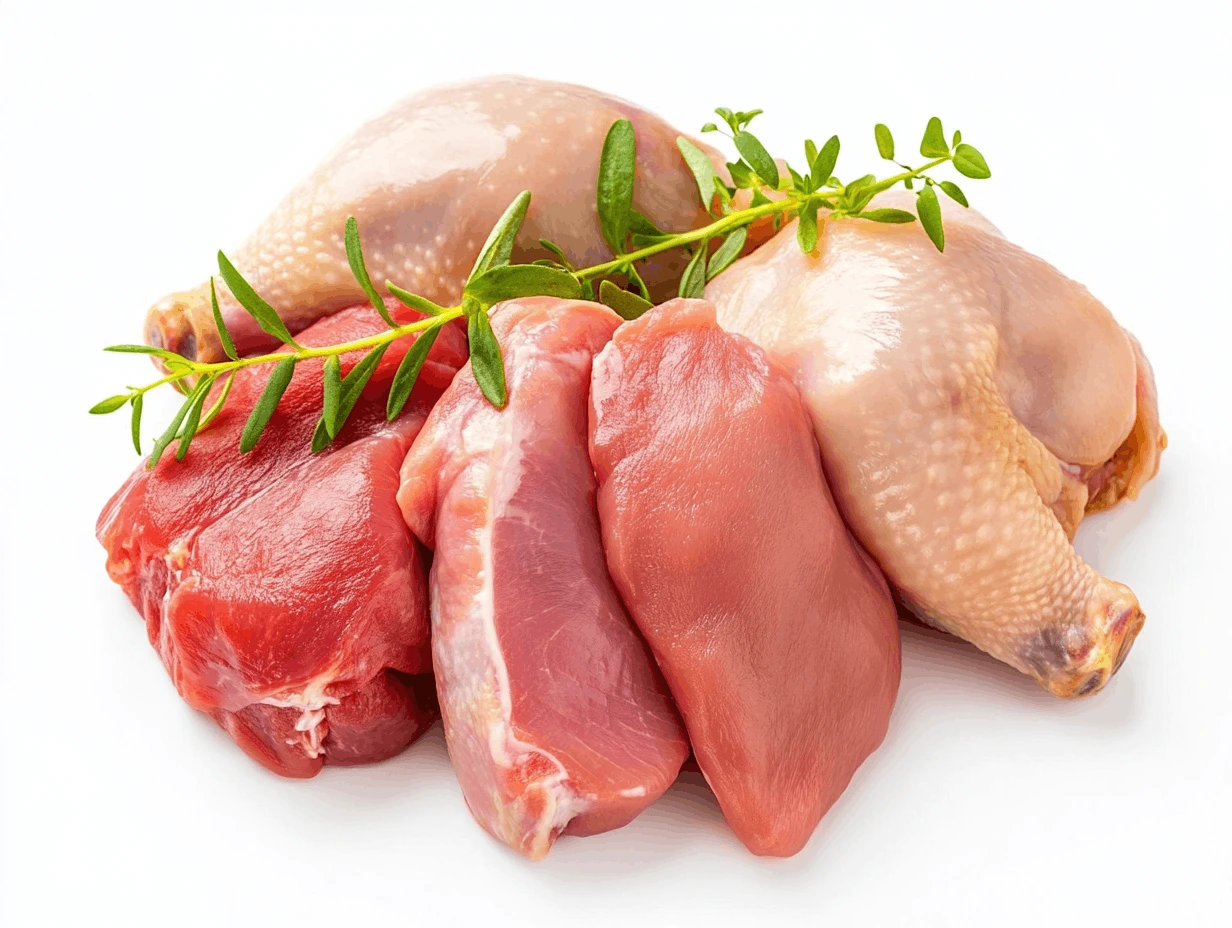
Chicken, turkey, duck, and more. full nutritional data for every cut. Compare calories and protein across lean and fatty poultry options.
See calories for poultry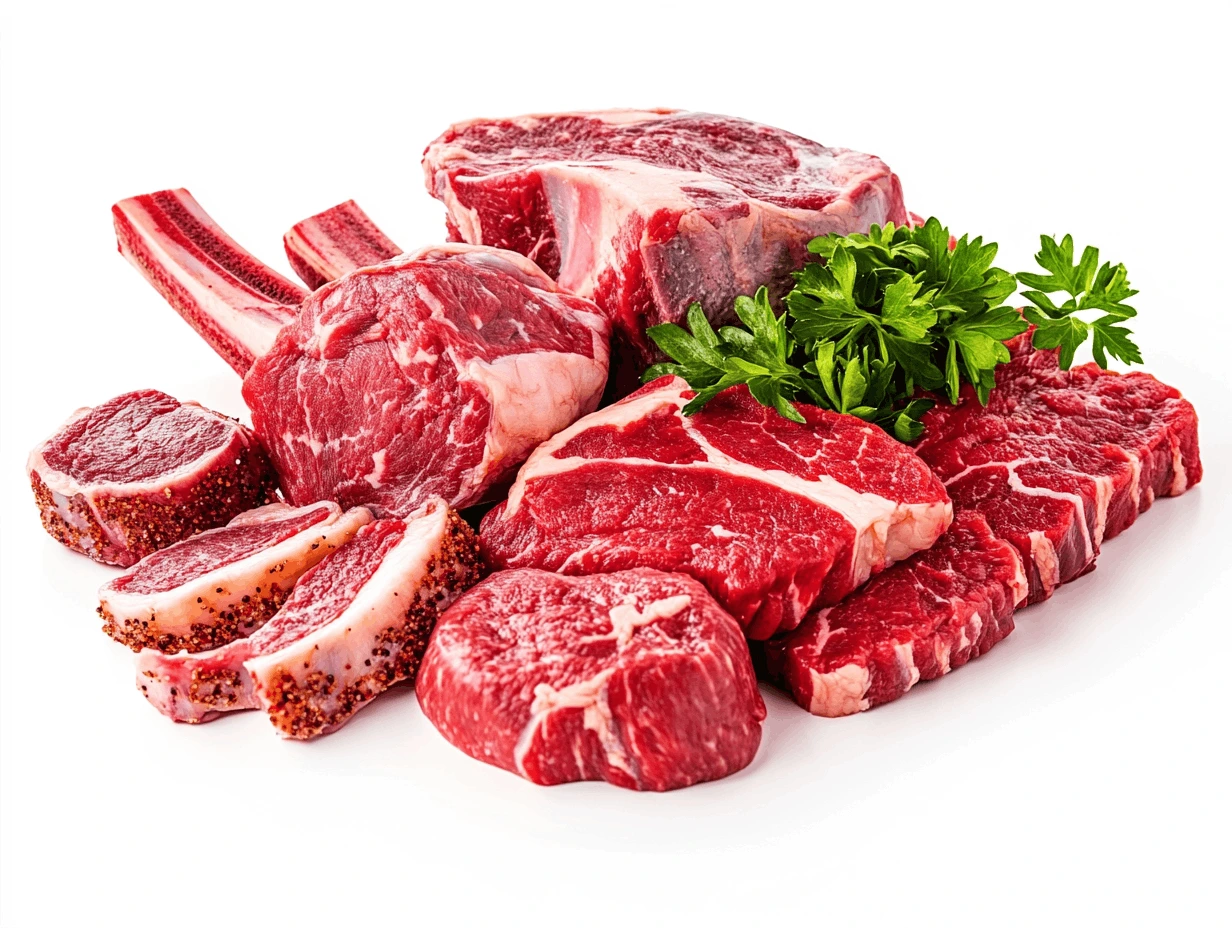
From ground beef to steak cuts, explore calories, protein, and fat across every variety. Compare lean vs. fatty cuts and track macros by raw or cooked weight.
See calories for beef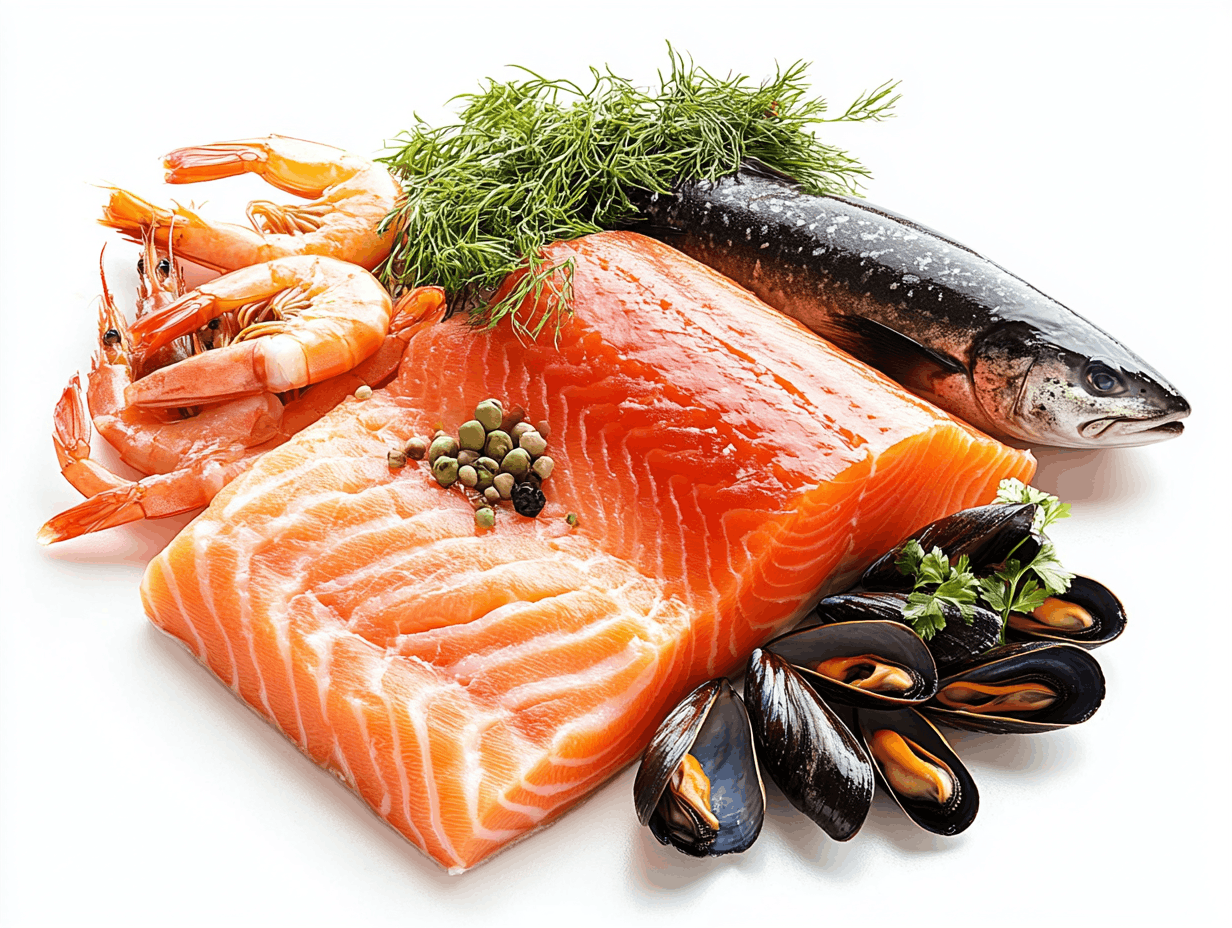
Rich in omega-3s and lean protein, fish and seafood are among the healthiest animal foods. Compare calories across salmon, tuna, shrimp, and more.
See calories for fish & seafood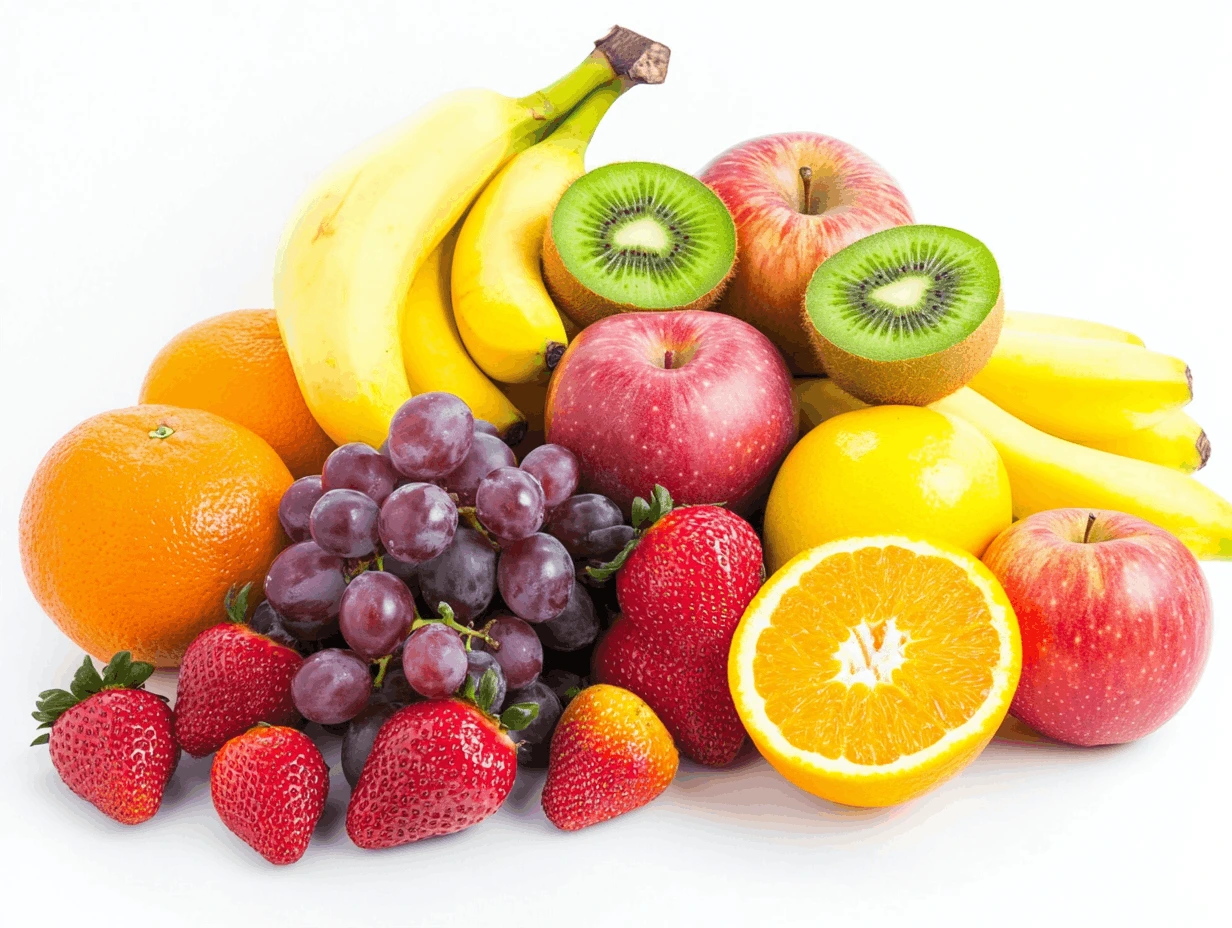
From berries to tropical fruits, explore calories, sugar, and fiber at a glance. Compare by piece or cup and see how natural sweetness fits your daily goals.
See calories for fruits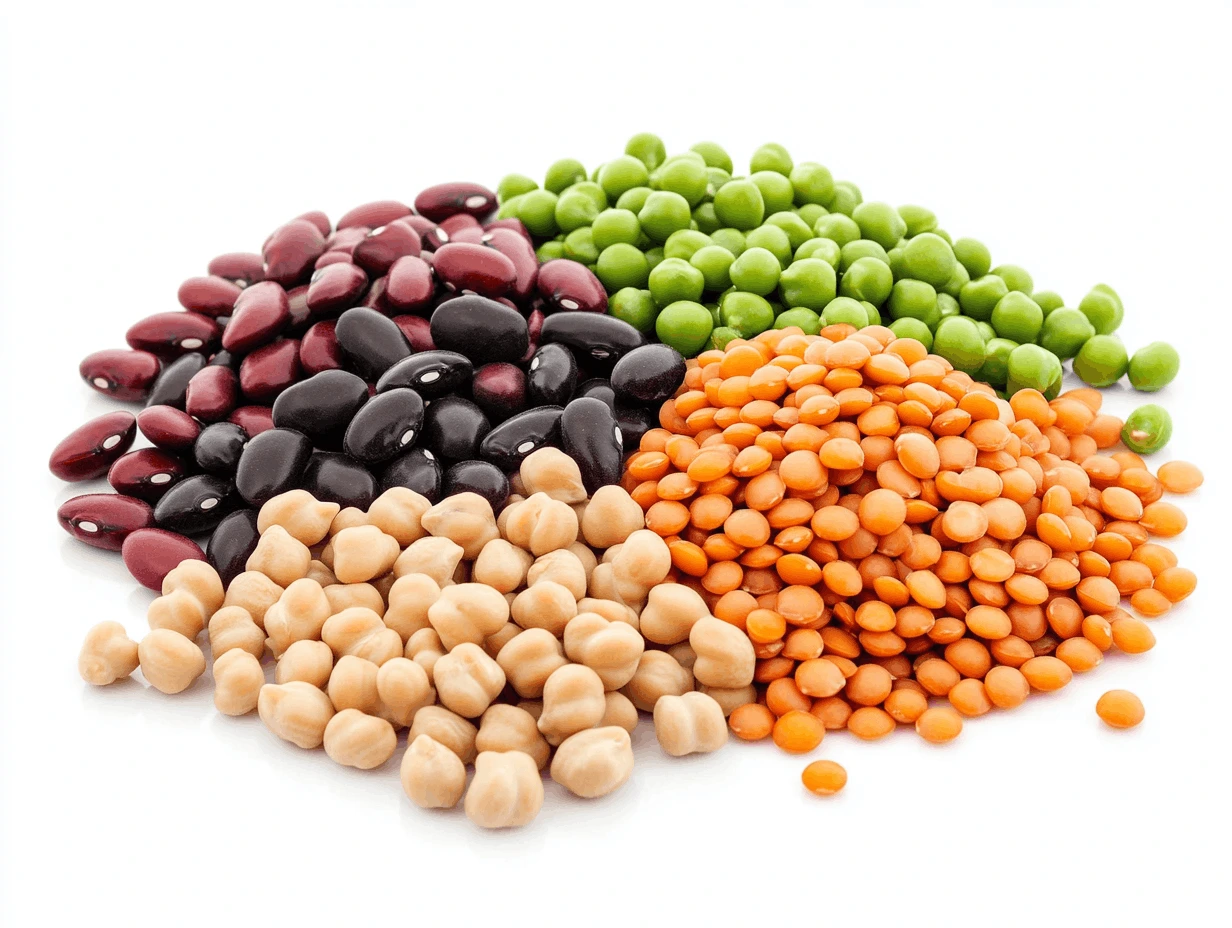
Beans, lentils, and chickpeas pack serious protein and fiber. Compare calories and macros across varieties to find the best plant-based protein sources.
See calories for legumes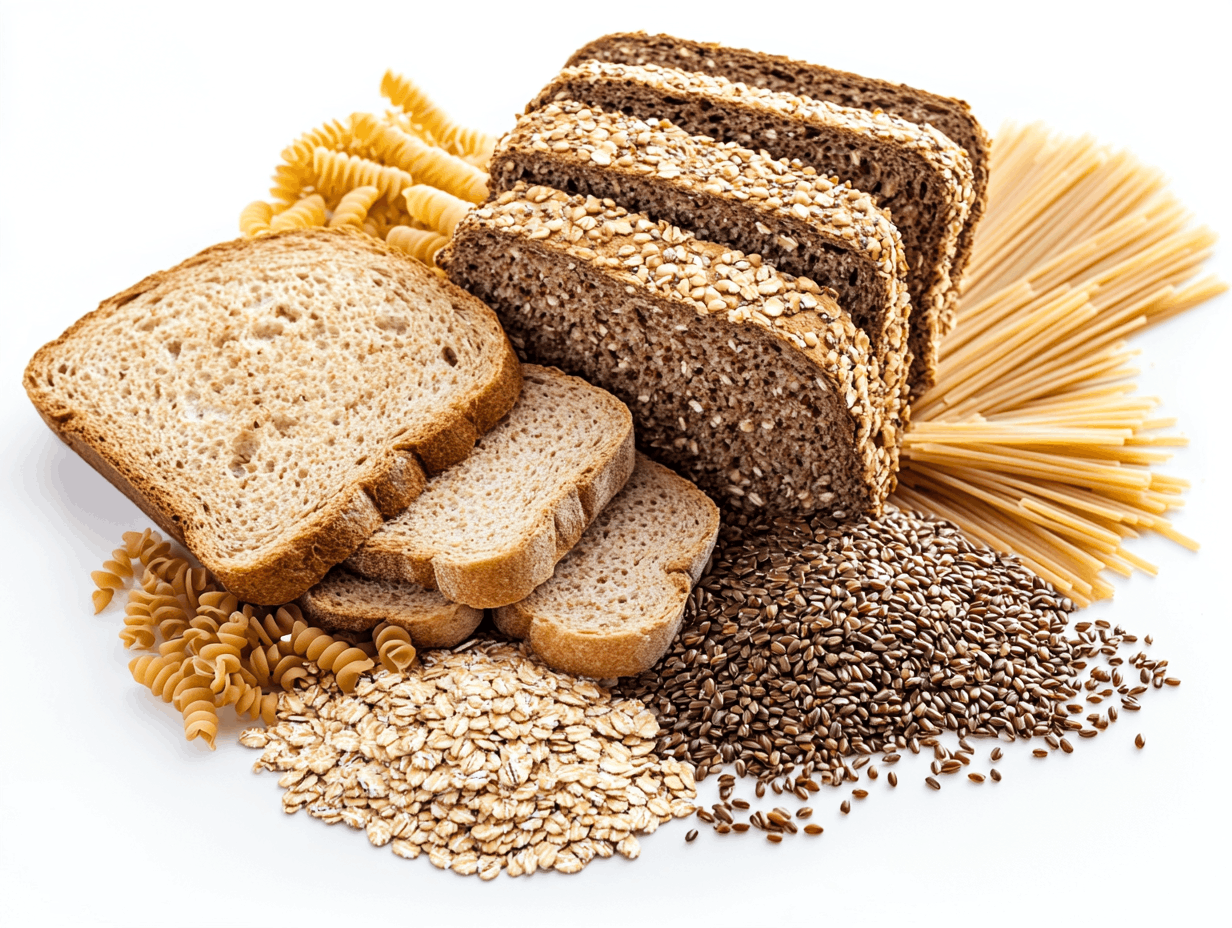
Rice, oats, pasta, and bread: grains are your main source of carbohydrates and energy. Browse by cooked or dry weight and track calories across common staples.
See calories for grains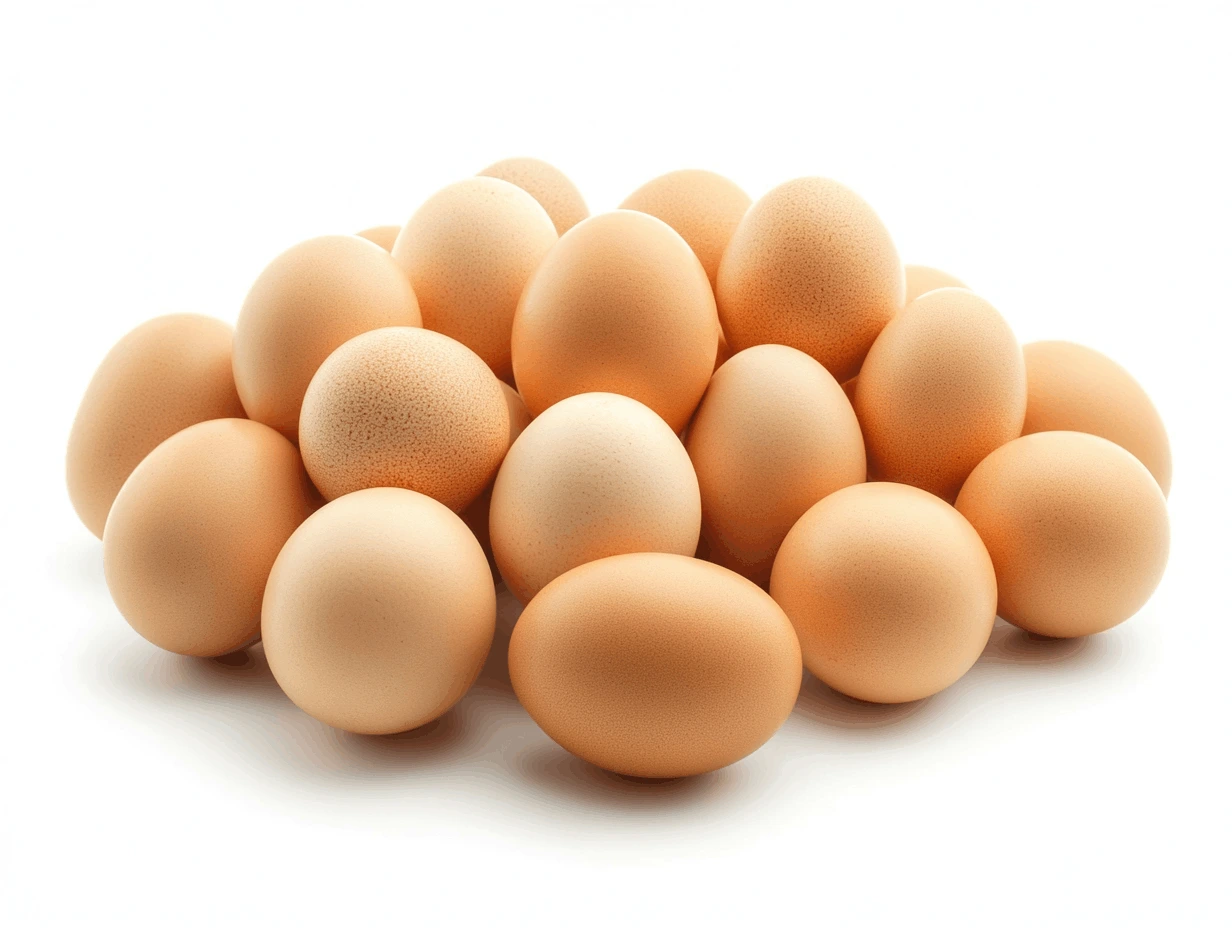
A complete protein source with essential amino acids, vitamins, and healthy fats. Track calories by whole egg, white, or yolk across different preparation methods.
See calories for eggs
Milk, yogurt, and cream offer calcium and protein in every serving. Compare full-fat vs. low-fat options and track macros across your favourite dairy staples.
See calories for dairy products
Calorie-dense and rich in healthy fats, nuts and seeds make every gram count. Compare protein, fat, and carb content across varieties to optimize snacking.
See calories for nuts & seeds
From fresh mozzarella to aged parmesan, cheese is rich in protein, fat, and calcium. Compare calories and macros across varieties and track portions by slice or gram.
See calories for cheese
Pork offers versatile cuts from lean tenderloin to rich belly. Compare calories and macros across chops, ribs, and ground pork to make informed choices.
See calories for porkGet the numbers that actually matter for your health. From body composition to daily calorie targets, our calculators give you a clear, personalized starting point. No account needed.
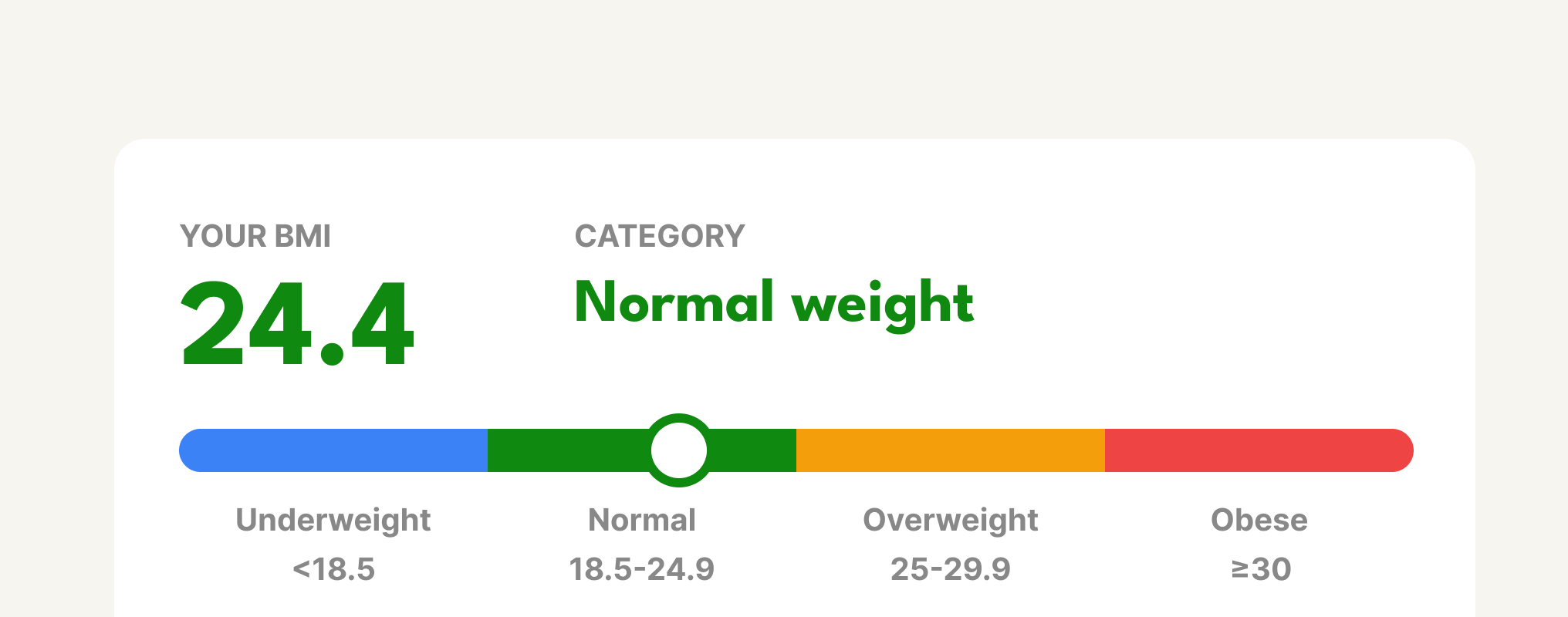
Find out if your weight is in a healthy range for your height. A quick first step to understanding your body and setting realistic health goals.
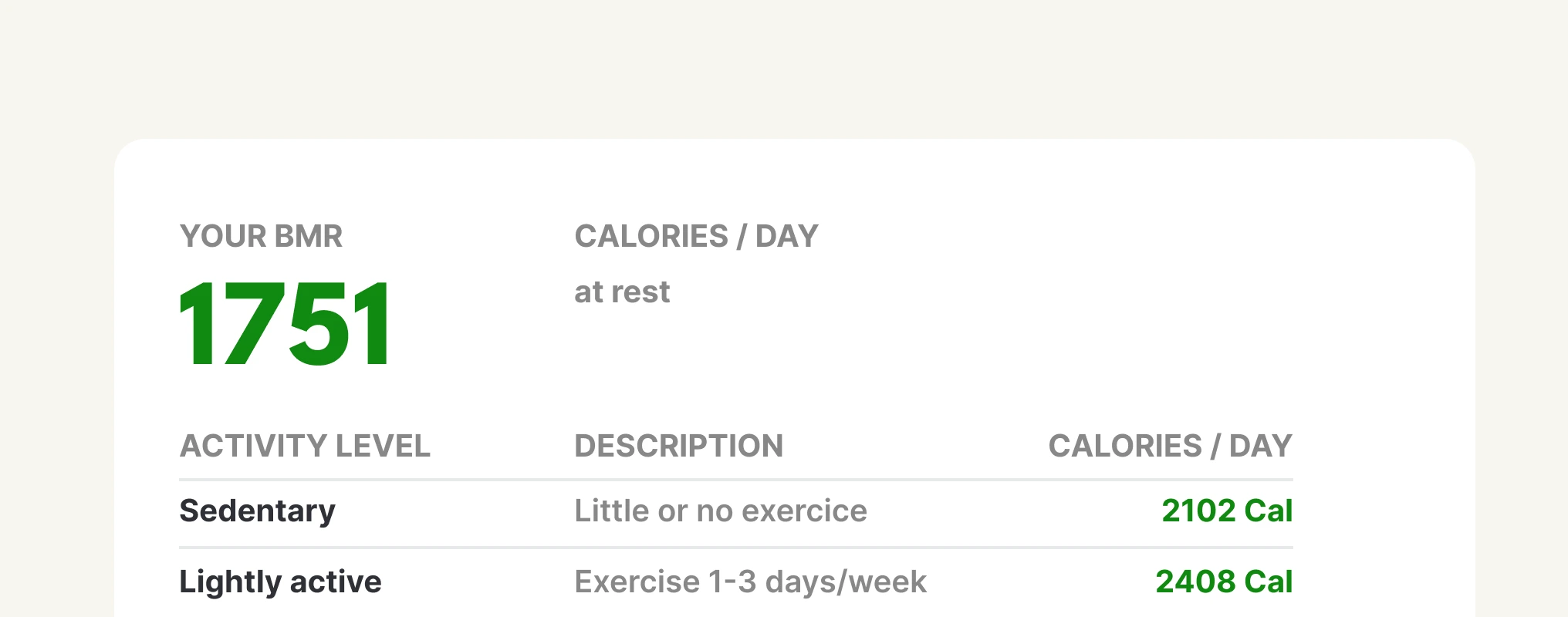
Discover how many calories your body burns at complete rest. Your BMR is the foundation of any smart nutrition or weight management plan.
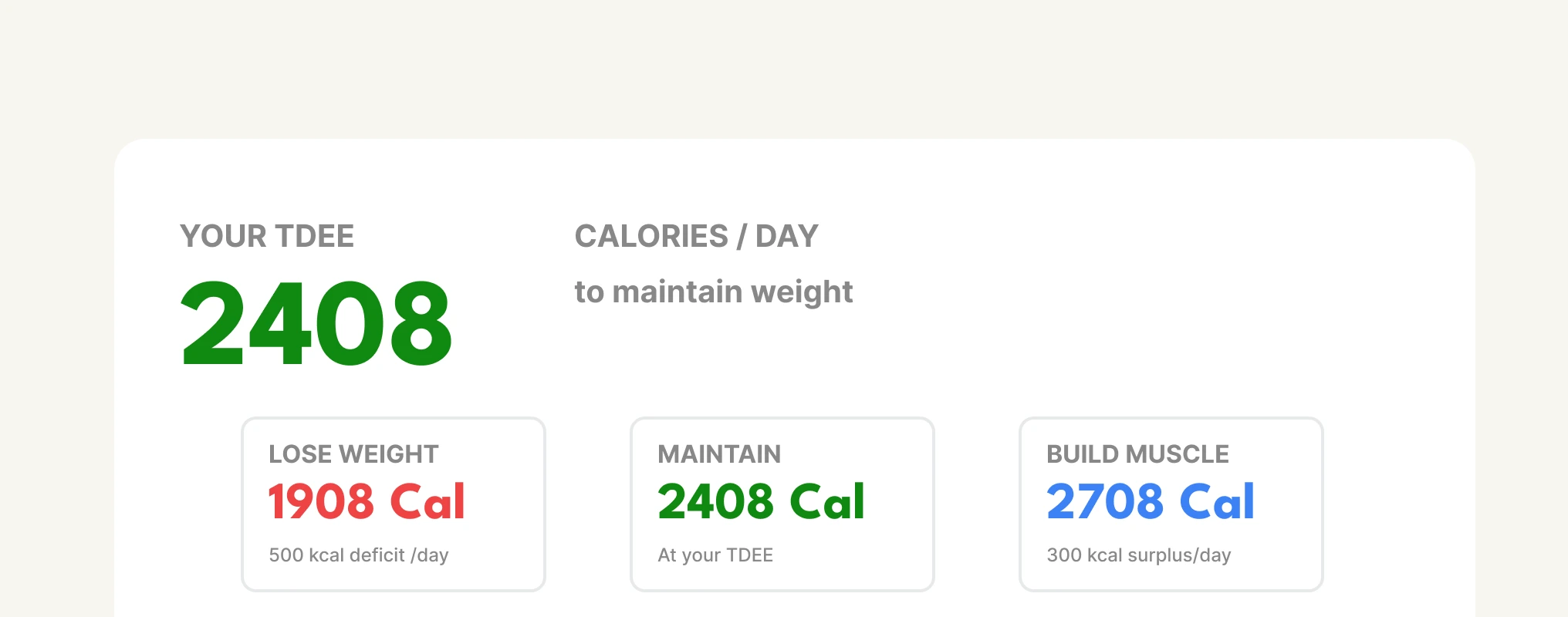
Get the exact number of calories your body needs based on your weight, height, age, and activity level.
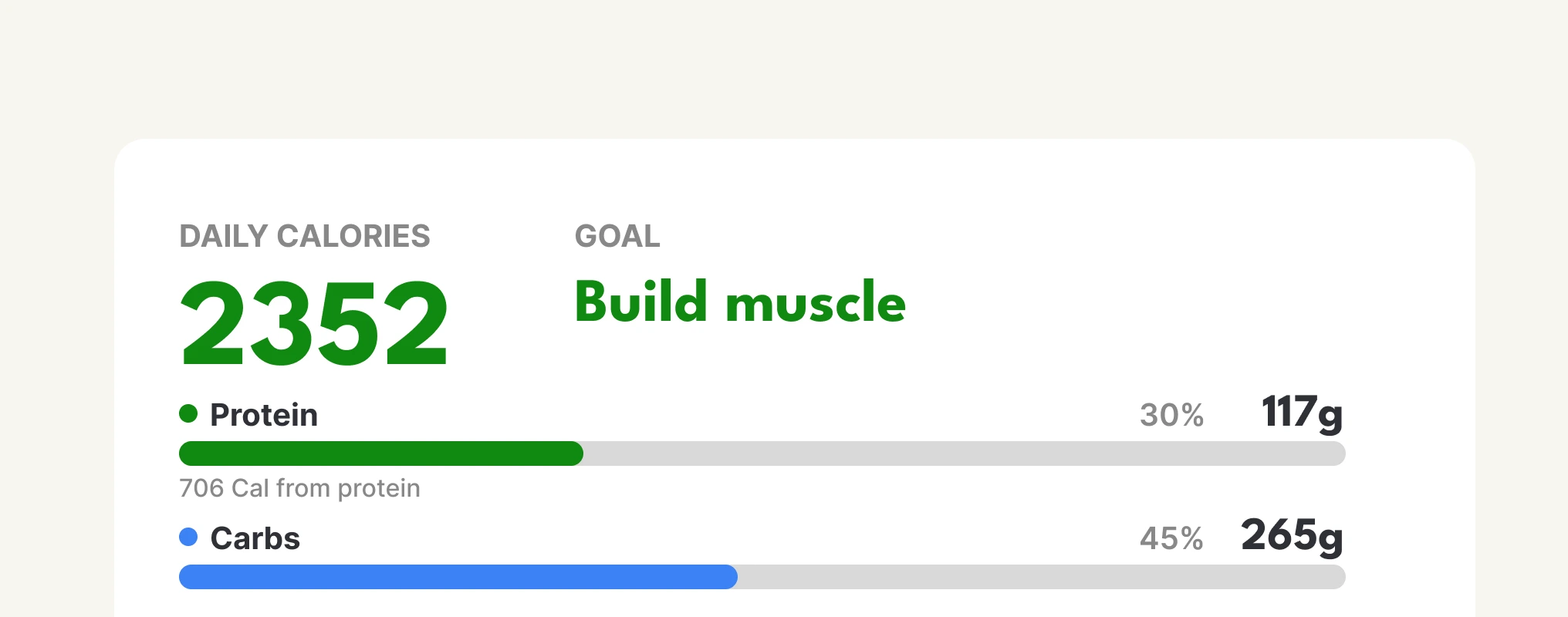
Find your ideal protein, carb, and fat targets based on your goals. Whether you're cutting, bulking, or maintaining, get a macro split tailored to you.
The lowest calorie vegetables are leafy greens and water-rich vegetables. Cucumber contains just 15 calories per 100g, lettuce around 17 calories, celery 16 calories, and bok choy only 13 calories per 100g. Tomatoes, zucchini, and spinach are also extremely low, all under 25 calories per 100g. These are ideal for high-volume eating. You can consume large amounts without significantly impacting your calorie intake.
One cup of raw chopped broccoli (about 91g) contains approximately 31 calories, with 2.6g of protein, 6g of carbs, and 2.4g of fiber. Boiled broccoli is similar, at around 55 calories per cup due to the larger cooked volume. Broccoli is one of the most nutrient-dense vegetables available, offering vitamins C, K, and folate alongside its low calorie count.
Sweet potatoes are not inherently fattening. A medium baked sweet potato contains around 103 calories and is virtually fat-free, with less than 0.2g of fat. They are high in fiber, vitamins A and C, and potassium. Their natural sweetness can satisfy cravings without the need for added sugar. The key is preparation. A plain baked sweet potato is very nutritious, but adding butter, sugar, or syrup significantly increases the calorie count.
Yes, spinach is exceptionally nutritious for its calorie cost. At just 23 calories per 100g, raw spinach delivers 2.9g of protein, 2.2g of fiber, and impressive quantities of vitamin K, vitamin A, folate, iron, and calcium. It is one of the most micronutrient-dense foods available. Cooked spinach concentrates these nutrients even further as water is released, making a cup of boiled spinach far richer in vitamins and minerals than the same cup of raw leaves.
It depends on the cooking method and the vegetable. Boiling can leach water-soluble vitamins like vitamin C and B vitamins into the cooking water. Steaming and roasting generally preserve more nutrients than boiling. However, cooking also increases the bioavailability of some nutrients. for example, beta-carotene in carrots and lycopene in tomatoes are better absorbed after cooking. Using minimal water, shorter cooking times, and consuming the cooking liquid where possible all help retain nutrients.
A medium baked potato with skin (around 173g) contains approximately 161 calories, with 4.3g of protein, 37g of carbohydrates, and less than 0.2g of fat. Potatoes are naturally fat-free and a good source of potassium, vitamin C, and B6. The calorie count rises substantially when butter, sour cream, cheese, or bacon are added, so toppings are the main factor to watch when tracking potato calories.
Mushrooms are excellent for weight loss. White mushrooms contain just 22 calories per 100g and are one of the few plant sources of vitamin D. They are high in water content, which adds volume and weight to meals without adding many calories. Mushrooms also provide umami flavour that can make lower-calorie meals more satisfying, and they have been studied for their potential to support immune function and gut health.
Among common vegetables, green peas are the standout protein source at around 5.4g of protein per 100g. Kale provides 4.3g per 100g, Brussels sprouts offer 3.4g per 100g, broccoli 2.8g, and spinach 2.9g. While vegetables cannot match animal proteins in quantity, a diet rich in a variety of vegetables can contribute meaningfully to daily protein intake, particularly when combined with legumes and grains.
One cup of raw green peas (about 145g) contains approximately 117 calories, with 7.8g of protein and 7.4g of fiber. Peas are one of the most nutritionally complete vegetables, providing protein, fiber, vitamins C and K, manganese, and folate in meaningful quantities. Unlike most vegetables, peas are calorie-dense enough to contribute substantially to both energy and protein intake.
Kale genuinely earns its superfood reputation. Raw kale contains 49 calories per 100g and delivers exceptional amounts of vitamins K, A, and C. One cup of raw kale provides over 100% of the daily recommended intake for all three. It is also a good source of calcium, manganese, and antioxidants like lutein and zeaxanthin, which support eye health. The slightly bitter flavour can be reduced by massaging raw kale with a little olive oil and lemon juice, or by lightly steaming or sautéing it.
Carrots contain natural sugars, but they are not high in sugar in a way that is concerning for most people. A medium raw carrot (about 61g) contains around 3.4g of natural sugar and 41 calories total. Compared to fruits and processed foods, this is very modest. The fiber in carrots also slows the absorption of these sugars, resulting in a lower glycaemic impact than the sugar content alone might suggest.
Artichokes are the fiber champions of the vegetable world, providing around 5.4g of fiber per 100g cooked. Brussels sprouts and broccoli are also excellent at 3.8g and 3.3g per 100g respectively when boiled. Green peas offer 5.1g per 100g raw. Butternut squash, beets, carrots, and kale are all solid fiber contributors as well. Aiming for a variety of vegetables across the day is the most effective way to consistently meet the recommended 25–38g of daily fiber.
One cup of raw spinach weighs approximately 30g and contains just 7 calories, making it essentially a free food from a calorie perspective. A cup of boiled spinach, however, weighs around 180g and provides approximately 41 calories, as the leaves collapse significantly when cooked. Either way, spinach is one of the lowest-calorie vegetables you can eat and adds minimal calories even in large quantities.
Corn is both, depending on its stage of maturity. Fresh or frozen corn on the cob is botanically a grain but nutritionally and culinarily treated as a starchy vegetable. Dried or ground corn (used for flour, cornmeal, and popcorn) is classified as a whole grain. From a nutrition standpoint, fresh corn behaves more like a starchy vegetable than a leafy green, containing around 86 calories per 100g raw and notable amounts of carbohydrates, fiber, and B vitamins.
A medium raw onion (about 110g) contains approximately 44 calories, with 1.2g of protein, 10.2g of carbohydrates, and virtually no fat. Onions are low in calories but rich in flavour, antioxidants, particularly quercetin, and prebiotic fiber that feeds beneficial gut bacteria. Cooking onions caramelises their natural sugars, concentrating the flavour without significantly changing the calorie content when no oil or fat is added.
Bell peppers are among the most nutritious vegetables available, particularly red bell peppers. A medium red bell pepper contains just 37 calories but provides over 150% of the daily recommended intake of vitamin C. Bell peppers are also a good source of vitamin A, B6, folate, and antioxidants like beta-carotene and lycopene. Green bell peppers are slightly lower in sugar and calories than red, yellow, or orange varieties.
The best vegetables for weight loss combine low calorie density with high fiber and volume to keep you full. Top choices include spinach, lettuce, cucumber, celery, zucchini, and broccoli, all under 35 calories per 100g with good fiber content. Cruciferous vegetables like cauliflower and Brussels sprouts are particularly effective because they are filling and nutrient-rich. Replacing calorie-dense foods with non-starchy vegetables is one of the most effective and sustainable strategies for reducing overall calorie intake without feeling deprived.
Broccoli and cauliflower are very similar in calories. Raw broccoli contains 34 calories per 100g, while raw cauliflower contains 25 calories per 100g, making cauliflower slightly lower in calories. Both are excellent sources of vitamin C, fiber, and cruciferous compounds. Broccoli has a slight nutritional edge in protein and vitamin K, while cauliflower's mild flavour makes it more versatile as a low-carb substitute for rice, mash, and pizza bases.
Beets are genuinely nutritious and have attracted significant research interest. They are a good source of folate, manganese, potassium, and iron. Beets also contain nitrates, which the body converts to nitric oxide, a compound that may help lower blood pressure and improve exercise performance. At 43 calories per 100g raw, they are a modest-calorie, nutrient-rich addition to a balanced diet.
Starchy vegetables like potatoes, sweet potatoes, corn, peas, and butternut squash are not bad for you. They are whole, unprocessed foods that provide meaningful amounts of fiber, vitamins, minerals, and slow-burning carbohydrates. The misconception that they are unhealthy often comes from comparing them to leafy greens rather than to processed carbohydrate sources. For most people, starchy vegetables are an excellent part of a balanced diet. Those managing blood sugar or following low-carb diets may need to moderate portions, but there is no reason to avoid them entirely.