Calories in Pork
Bacon, chops, ribs, tenderloin, ham, and more. Full calorie data for every pork cut, straight from the USDA database. Look up calories per 100g or per serving, raw and cooked, in metric or imperial.
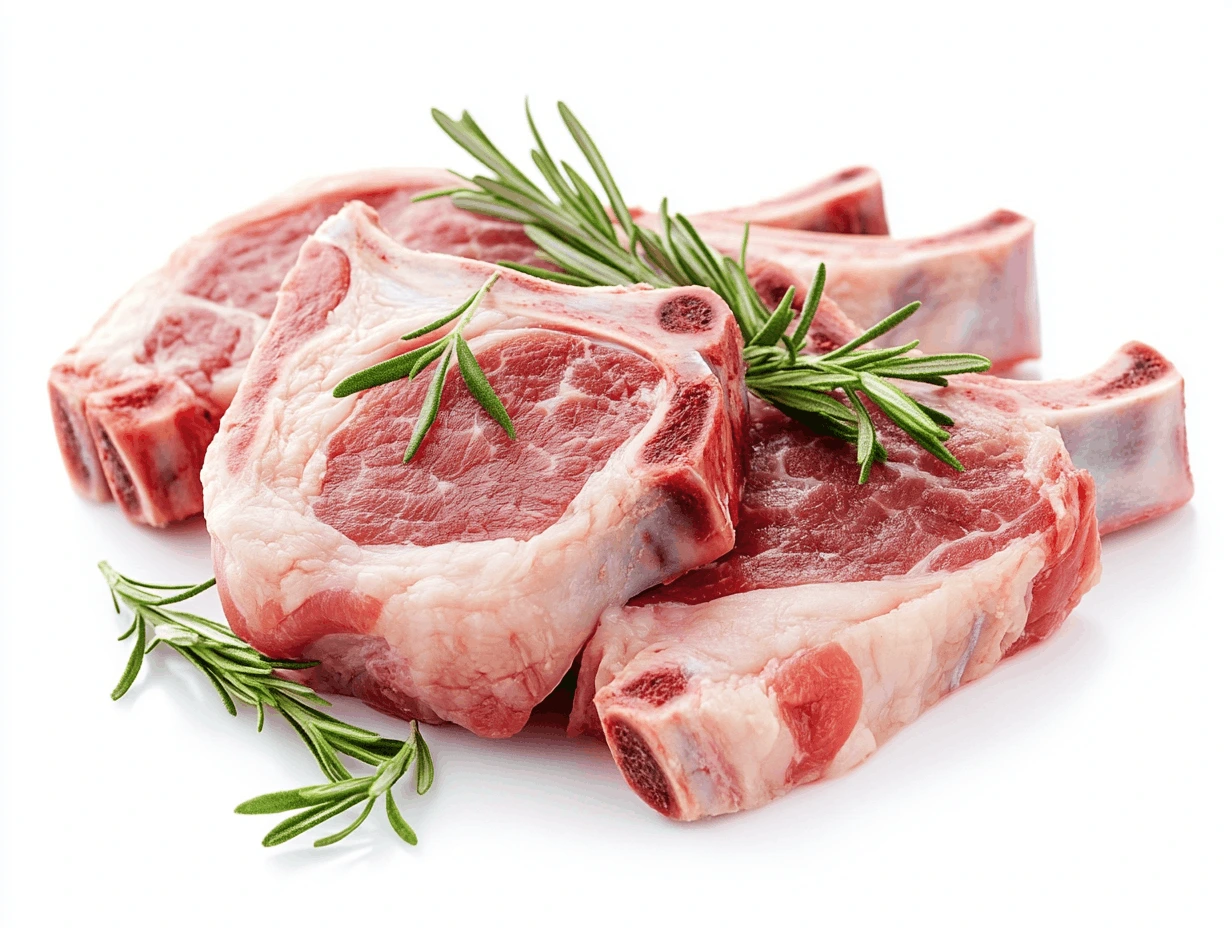
Bacon, chops, ribs, tenderloin, ham, and more. Full calorie data for every pork cut, straight from the USDA database. Look up calories per 100g or per serving, raw and cooked, in metric or imperial.
| Food | Serving | Calories |
|---|---|---|
| Pork Tenderloin, Raw | 4 oz (113g) | 109 Cal |
| Pork Tenderloin, Roasted | 3 oz (85g) | 143 Cal |
| Pork Loin Chop, Raw | 1 chop (113g) | 172 Cal |
| Pork Loin Chop, Grilled | 1 chop (87g) | 211 Cal |
| Pork Shoulder (Boston Butt), Raw | 4 oz (113g) | 216 Cal |
| Pork Shoulder, Braised | 3 oz (85g) | 250 Cal |
| Pork Belly, Raw | 3 oz (85g) | 518 Cal |
| Pork Belly, Braised | 3 oz (85g) | 395 Cal |
| Pork Spare Ribs, Raw | 4 oz (113g) | 297 Cal |
| Pork Spare Ribs, Braised | 3 oz (85g) | 397 Cal |
| Pork Baby Back Ribs, Raw | 4 oz (113g) | 246 Cal |
| Pork Baby Back Ribs, Roasted | 3 oz (85g) | 292 Cal |
| Ground Pork, Raw | 4 oz (113g) | 263 Cal |
| Ground Pork, Cooked | 3 oz (85g) | 297 Cal |
| Bacon, Raw | 2 slices (46g) | 417 Cal |
| Bacon, Pan-Fried | 2 slices (16g) | 548 Cal |
| Back Bacon (Canadian Bacon), Cooked | 2 slices (47g) | 185 Cal |
| Ham, Roasted (Lean) | 3 oz (85g) | 163 Cal |
| Ham, Cured Canned | 3 oz (85g) | 116 Cal |
| Pork Sausage, Raw | 2 links (57g) | 339 Cal |
| Pork Sausage, Cooked | 2 links (45g) | 366 Cal |
| Chorizo, Pork Raw | 2 oz (56g) | 455 Cal |
| Chorizo, Pork Cooked | 2 oz (56g) | 387 Cal |
| Prosciutto, Dry-Cured | 1 oz (28g) | 215 Cal |
| Pancetta, Cured | 1 oz (28g) | 425 Cal |
| Pork Leg (Fresh Ham), Raw | 4 oz (113g) | 185 Cal |
| Pork Leg (Fresh Ham), Roasted | 3 oz (85g) | 231 Cal |
| Pork Sirloin Chop, Raw | 1 chop (113g) | 148 Cal |
| Pork Sirloin Chop, Roasted | 3 oz (85g) | 181 Cal |
| Pork Liver, Raw | 3 oz (85g) | 134 Cal |
| Pork Liver, Braised | 3 oz (85g) | 165 Cal |
| Pulled Pork (Shoulder), Slow-Cooked | 3 oz (85g) | 240 Cal |
| Pork Crackling (Pork Rinds) | 1 oz (28g) | 544 Cal |
| Salami, Pork | 3 slices (30g) | 425 Cal |
| Mortadella | 2 slices (46g) | 311 Cal |
| Pork Hot Dog (Frank) | 1 frank (57g) | 333 Cal |
Data source: USDA FoodData Central. Values are approximate and may vary by cut, grade, and cooking method.
Pork is one of the most versatile meats, with cuts spanning an enormous calorie range. Pork tenderloin at 109 calories per 100g raw is one of the leanest meats of any animal, comparable to skinless chicken breast. Pork belly at around 518 calories per 100g raw is one of the most calorie-dense whole muscle cuts available. Between these extremes sit chops, shoulder, leg, and ribs, each with its own fat level and cooking characteristics.
The fat content of pork varies not just by cut but by where the fat sits. Intramuscular fat (marbling) contributes to flavour and is difficult to remove. Subcutaneous fat (the fat cap on chops and the skin layer on belly) can be trimmed before or after cooking to meaningfully reduce calorie content. A standard pork loin chop with the fat cap trimmed can be 20 to 30% lower in calories than one left untrimmed.
Cured and processed pork products like bacon, sausages, salami, and prosciutto are much higher in sodium than fresh cuts. This matters for people managing blood pressure or following a low-sodium diet. Opting for fresh pork cuts and cooking them yourself gives full control over both calories and sodium intake.
Like all meats, pork loses water and some fat during cooking, meaning its weight decreases as it cooks. A 100g raw pork chop becomes roughly 70 to 80g cooked. This makes cooked pork appear more calorie-dense per 100g than raw pork in the table, even though the total calories in the piece are similar. For consistent calorie tracking, weigh pork raw before cooking. If you only have the cooked weight, use the cooked values from this table for that specific cut and method.
Browse calories and macros across all food groups in our USDA-backed nutrition database.
From ground beef to steak cuts, explore calories, protein, and fat across every variety. Compare lean vs. fatty cuts and track macros by raw or cooked weight.
See calories for beef
Chicken, turkey, duck, and more. Full nutritional data for every cut. Compare calories and protein across lean and fatty poultry options.
See calories for poultry
Rich in omega-3s and lean protein, fish and seafood are among the healthiest animal foods. Compare calories across salmon, tuna, shrimp, and more.
See calories for fish & seafood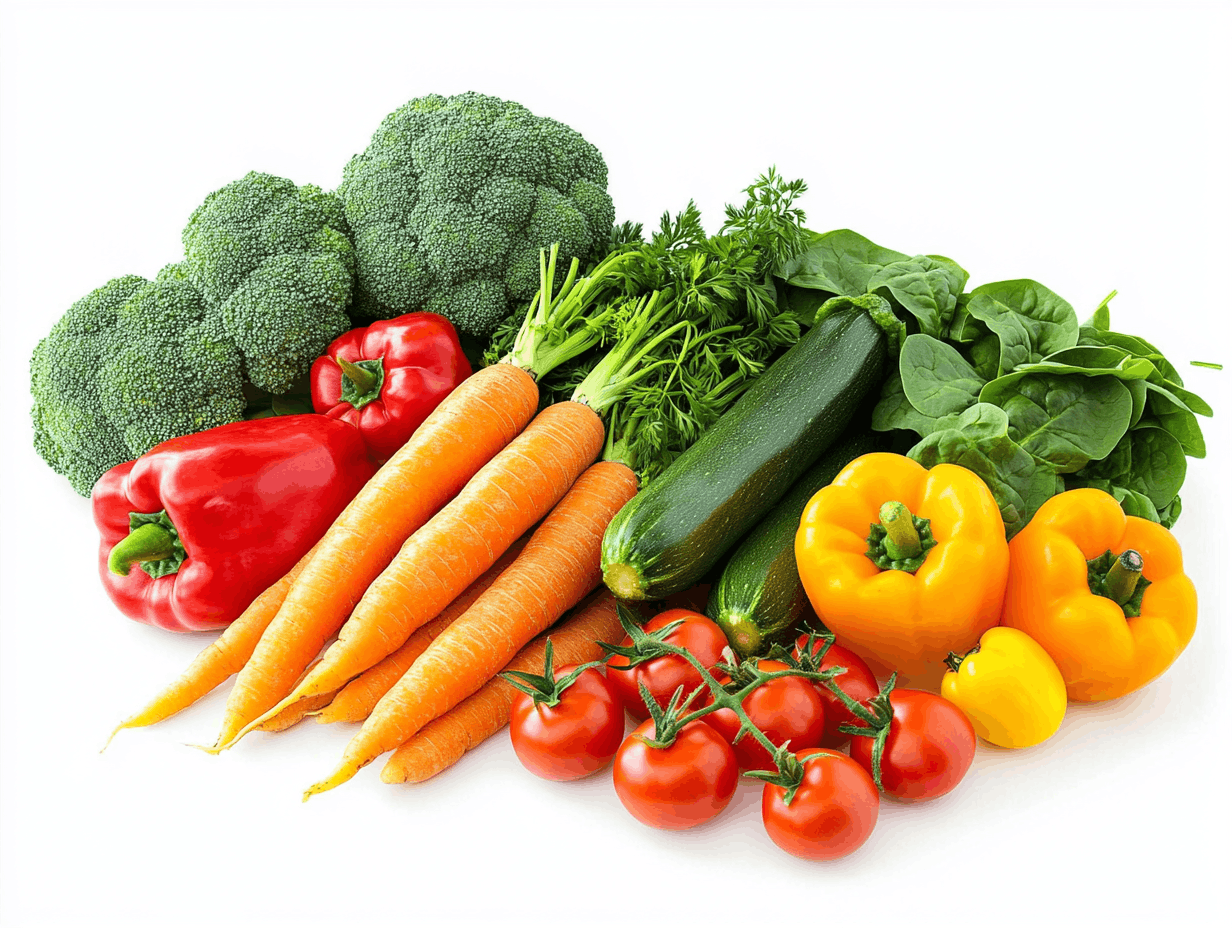
From leafy greens to root vegetables, explore calorie data for every vegetable. Compare raw and cooked values across broccoli, spinach, sweet potato, and more.
See calories for vegetables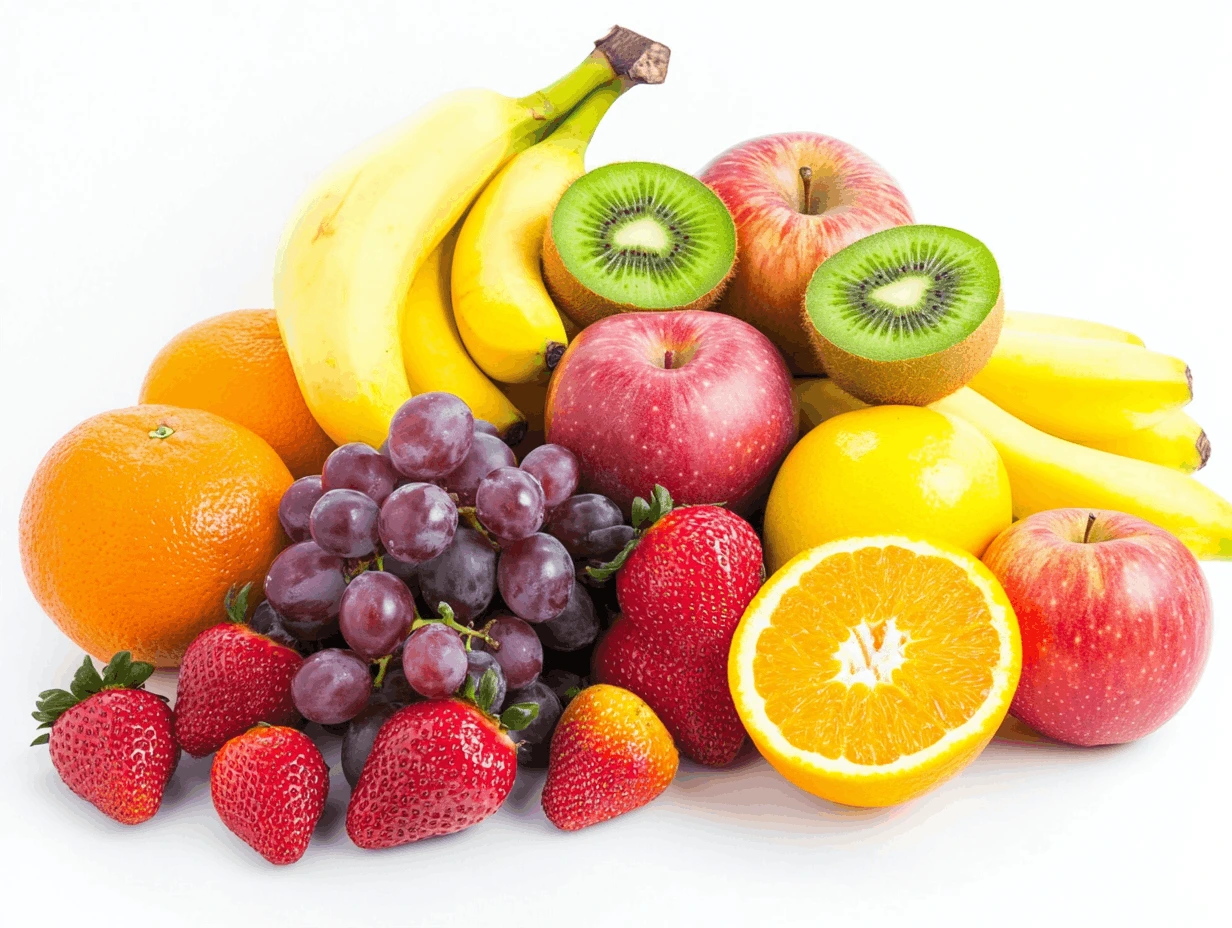
From berries to tropical fruits, get full calorie data for every fresh and dried fruit. Compare low-sugar options and track portions with ease.
See calories for fruits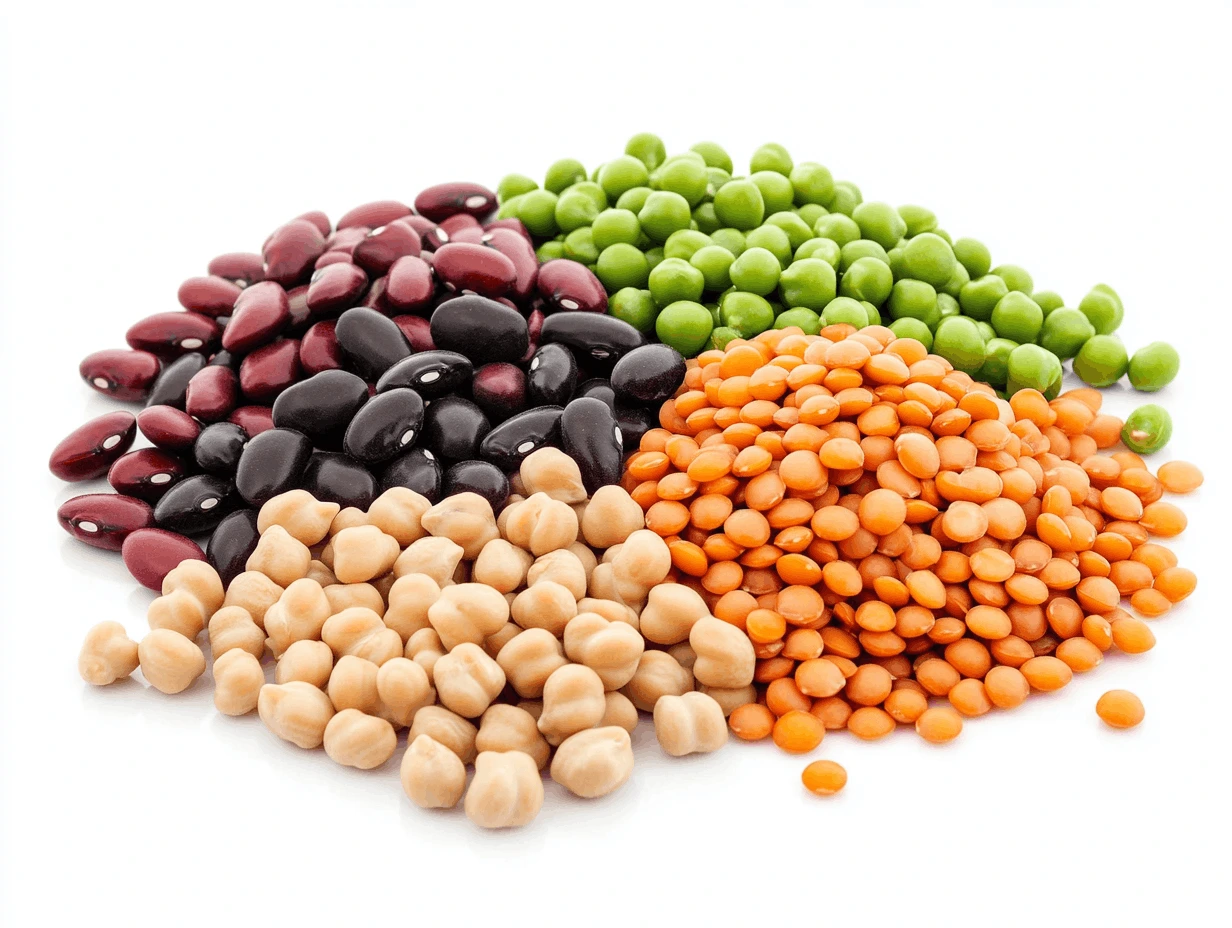
Beans, lentils, and chickpeas pack serious protein and fiber. Compare calories and macros across varieties to find the best plant-based protein sources.
See calories for legumes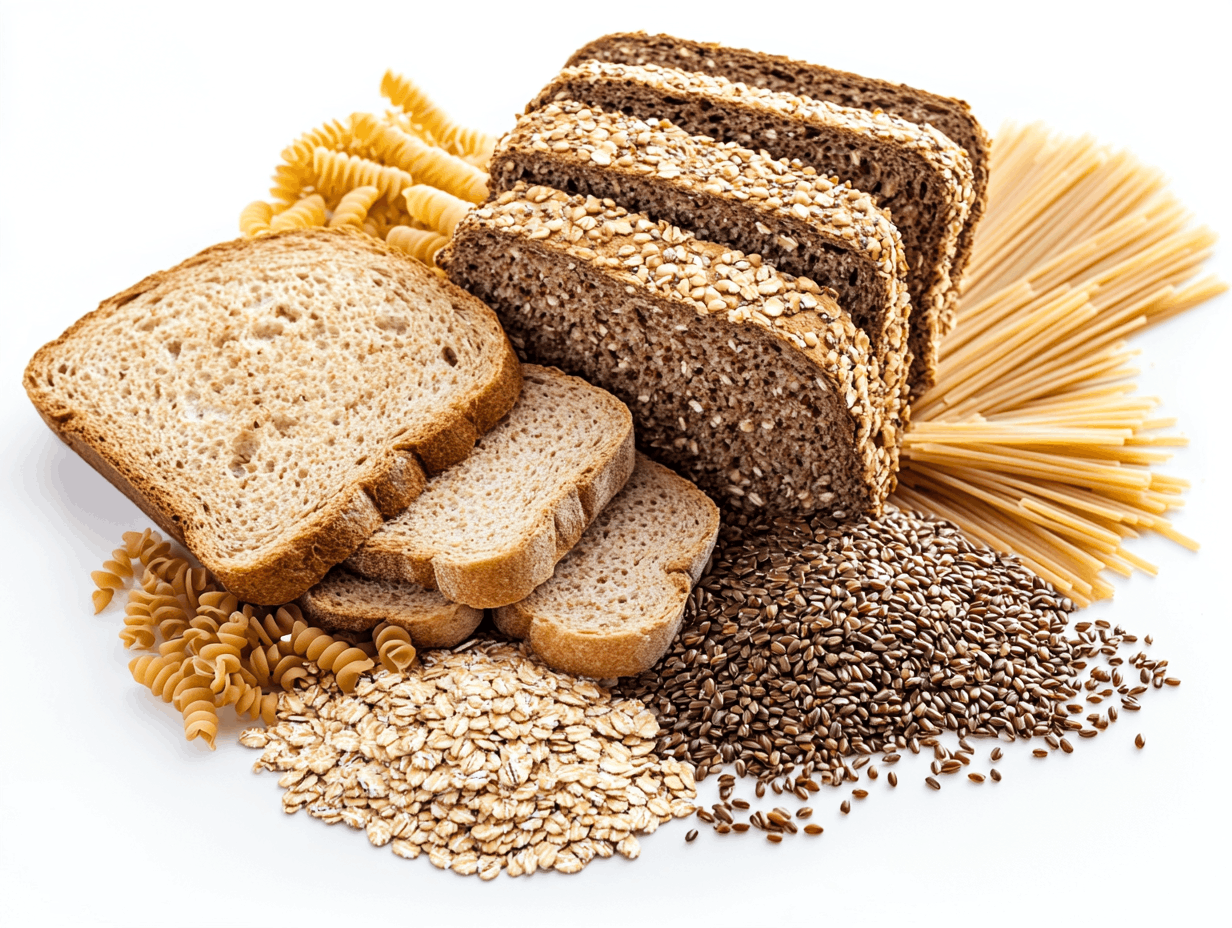
Rice, oats, pasta, and bread: grains are your main source of carbohydrates and energy. Browse by cooked or dry weight and track calories across common staples.
See calories for grains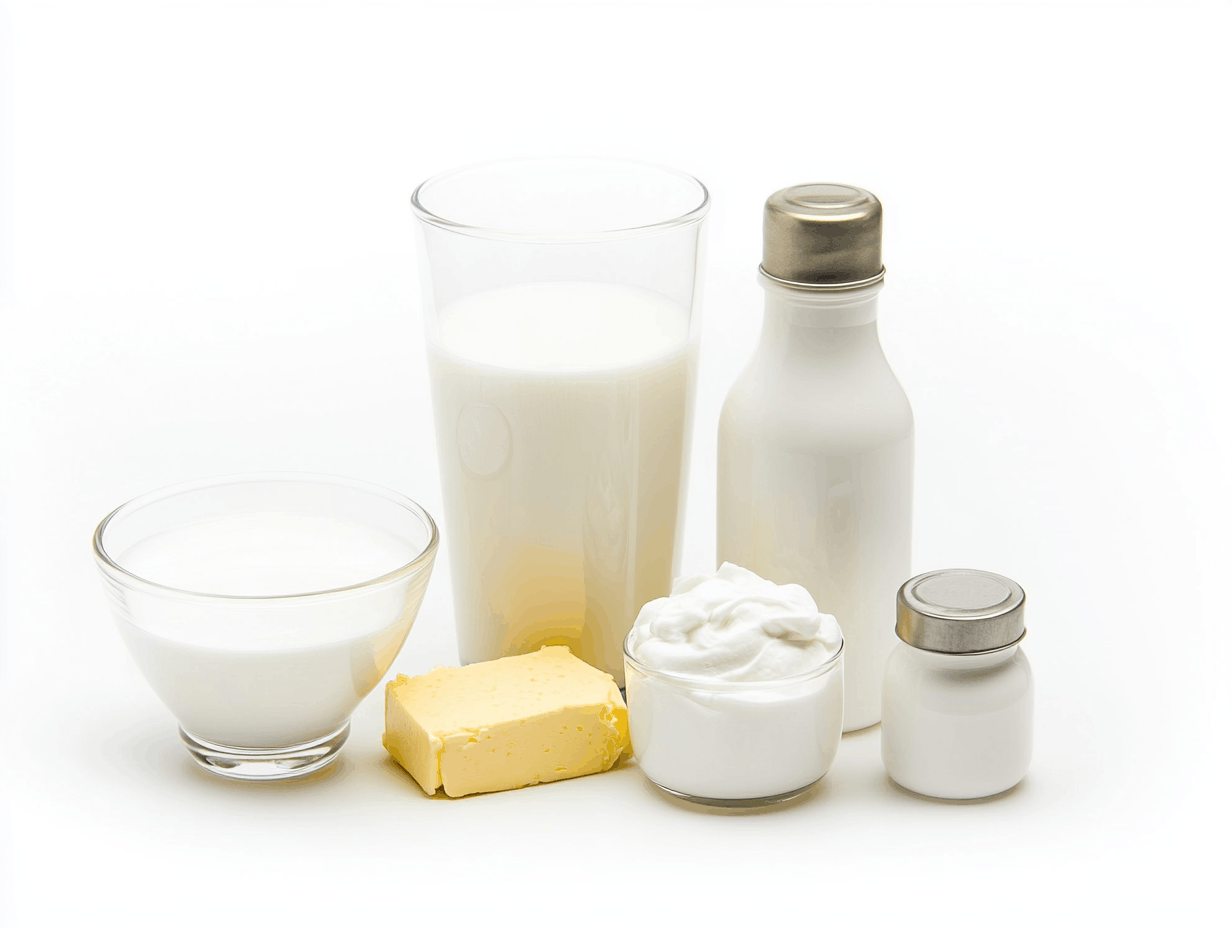
Milk, yogurt, and cream offer calcium and protein in every serving. Compare full-fat vs. low-fat options and track macros across your favourite dairy staples.
See calories for dairy products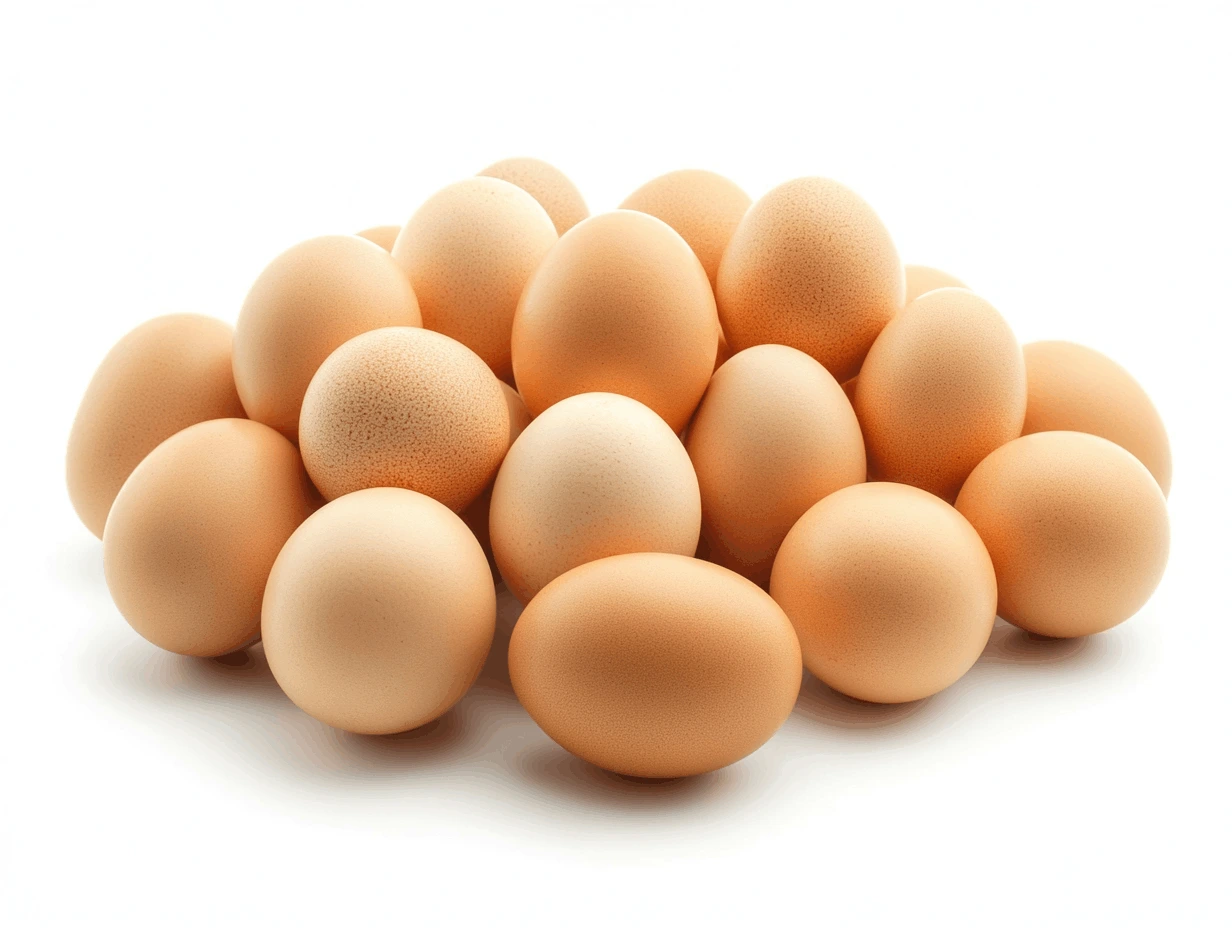
A complete protein source with essential amino acids, vitamins, and healthy fats. Track calories by whole egg, white, or yolk across different preparation methods.
See calories for eggs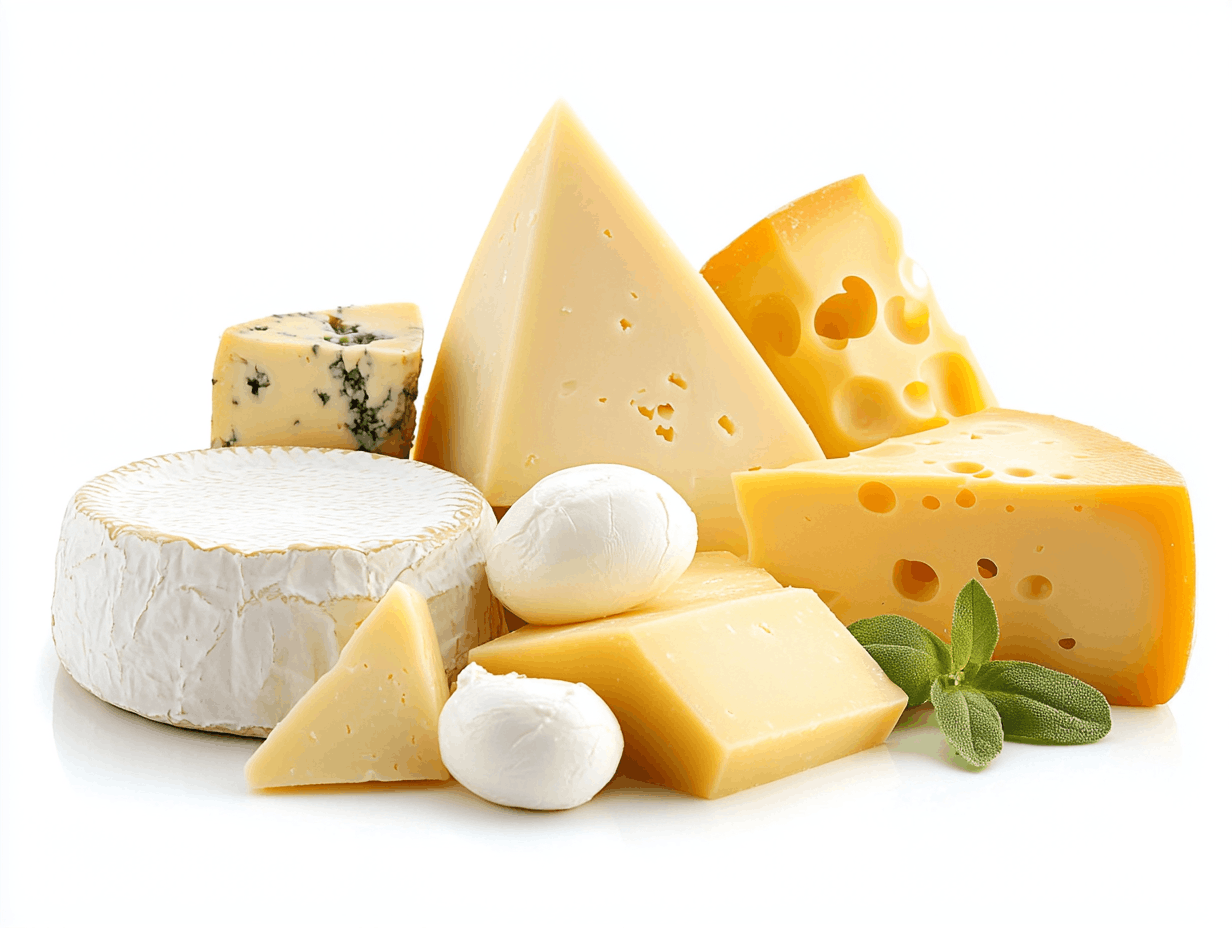
From fresh mozzarella to aged parmesan, cheese is rich in protein, fat, and calcium. Compare calories across varieties and track portions by slice or gram.
See calories for cheese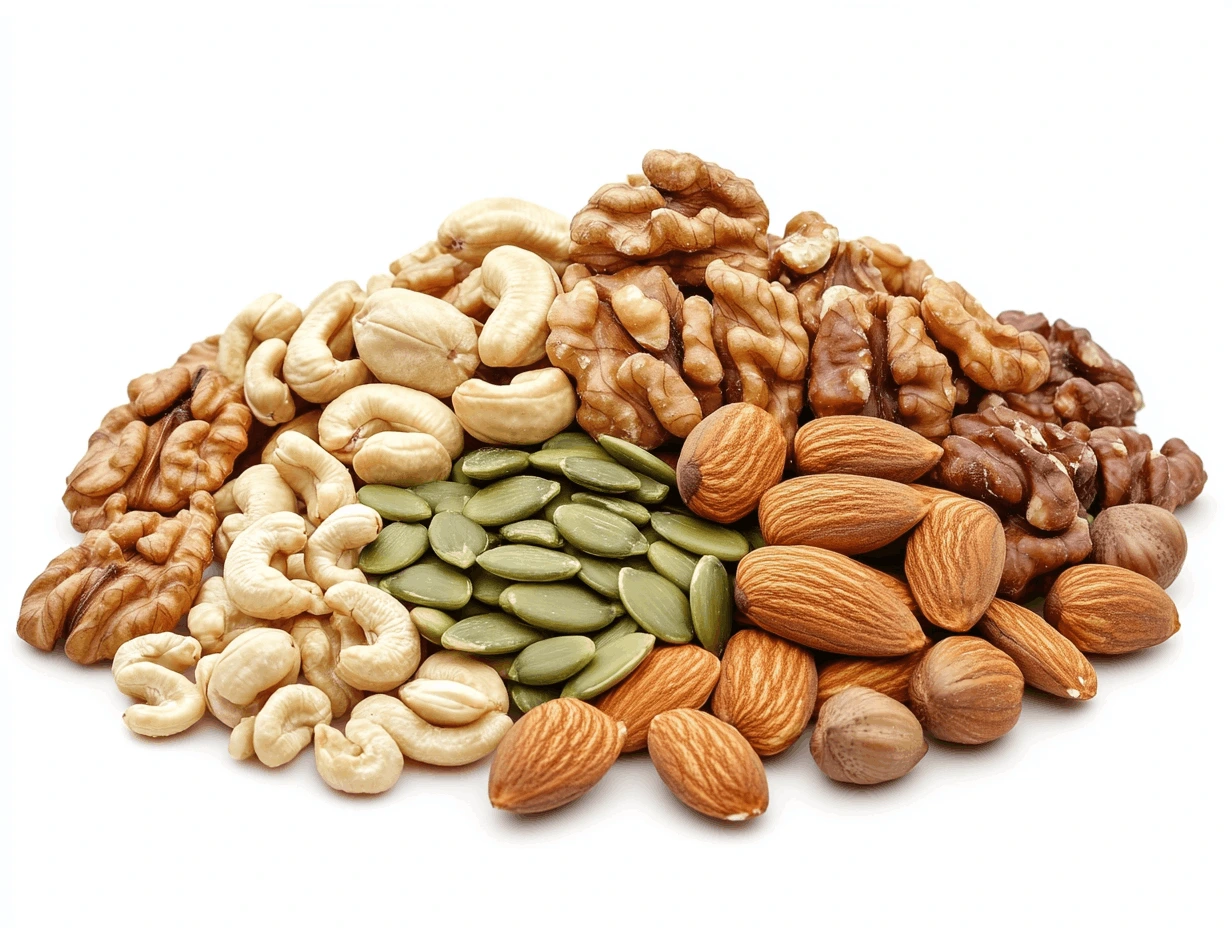
Calorie-dense and rich in healthy fats, nuts and seeds make every gram count. Compare protein, fat, and carb content across varieties to optimize snacking.
See calories for nuts & seedsGet the numbers that actually matter for your health. From body composition to daily calorie targets, our calculators give you a clear, personalized starting point. No account needed.
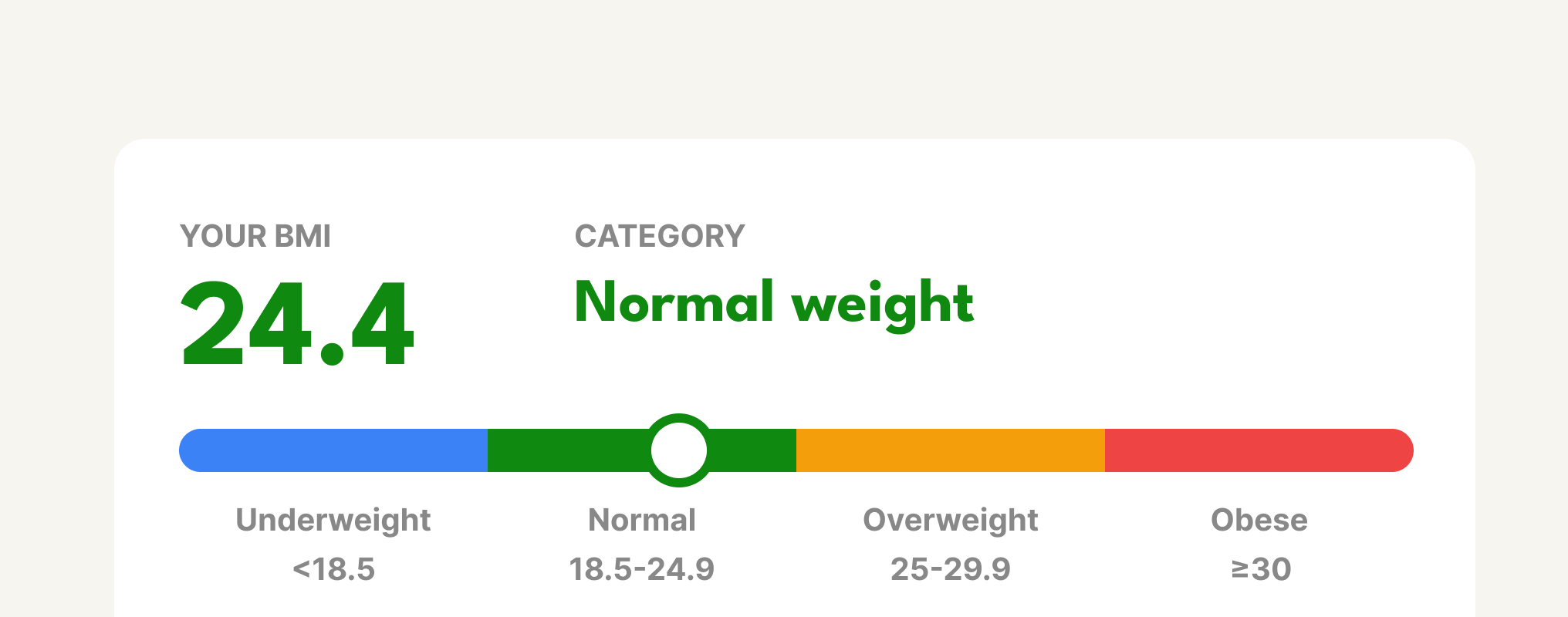
Find out if your weight is in a healthy range for your height. A quick first step to understanding your body and setting realistic health goals.
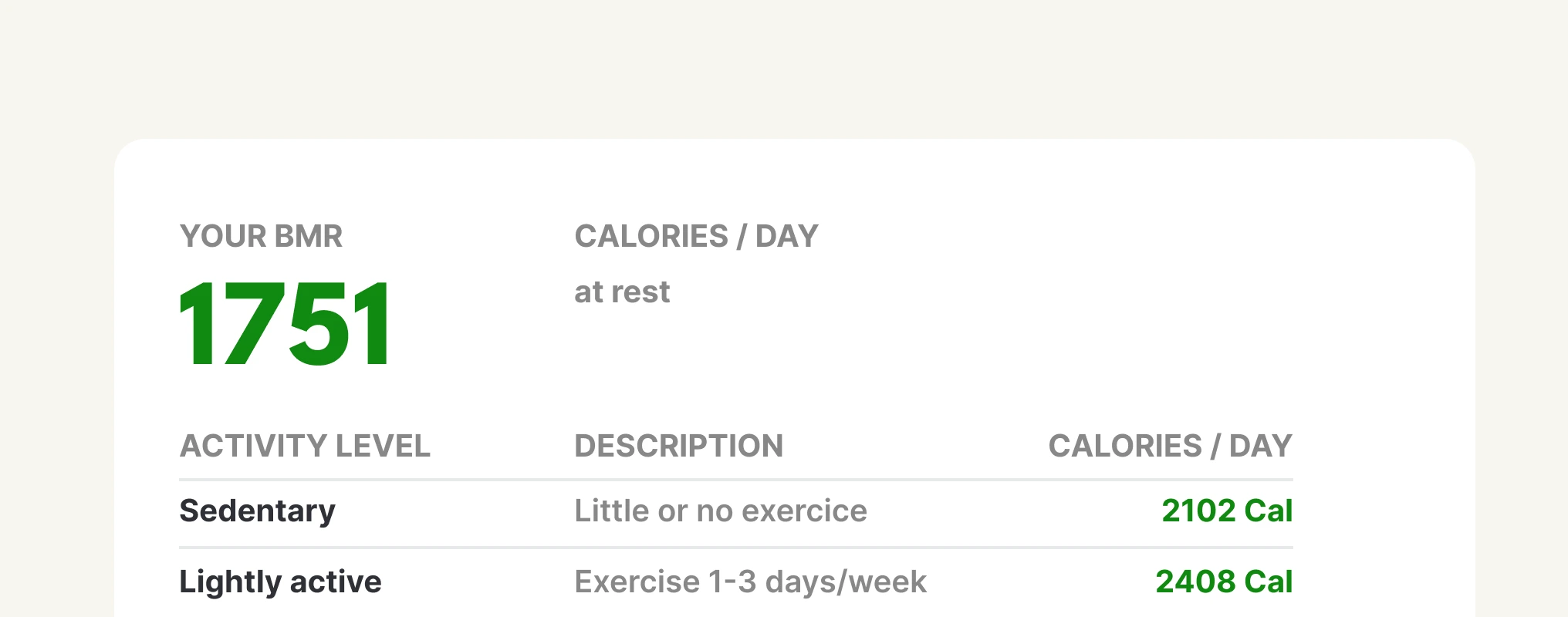
Discover how many calories your body burns at complete rest. Your BMR is the foundation of any smart nutrition or weight management plan.
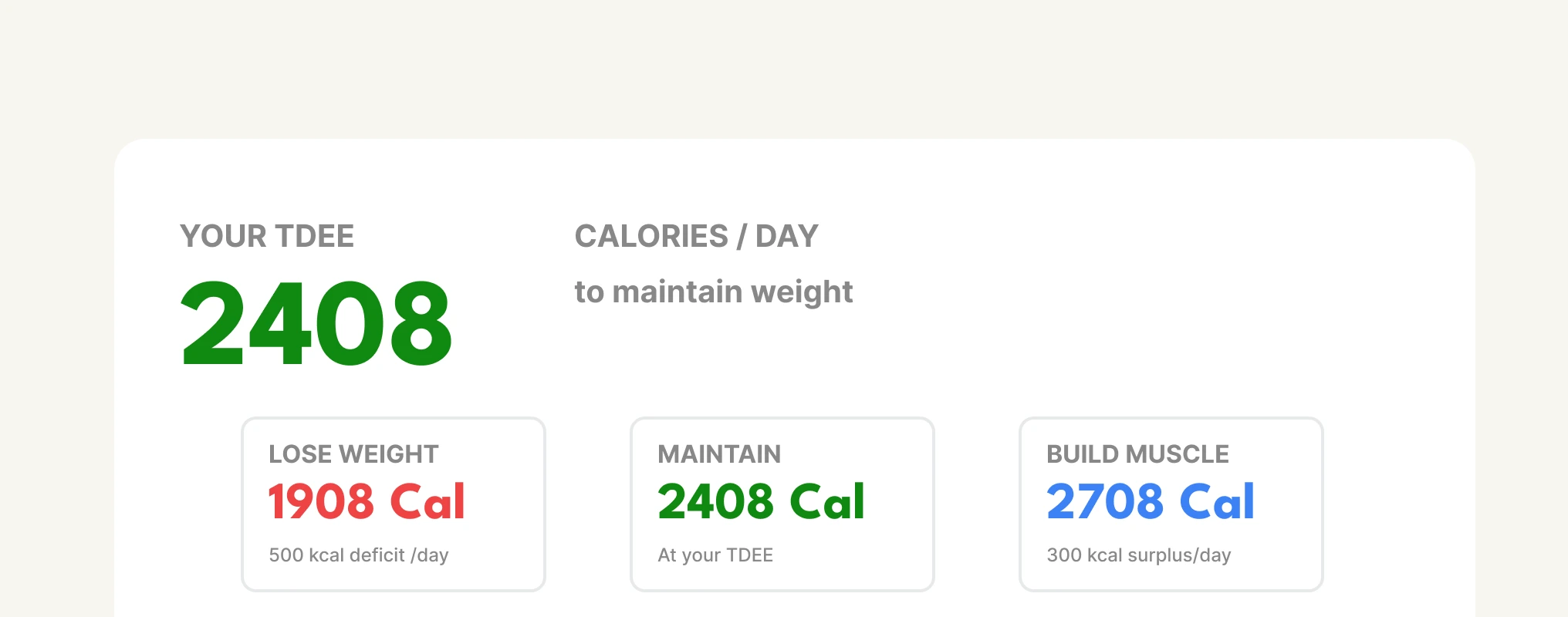
Get the exact number of calories your body needs based on your weight, height, age, and activity level.
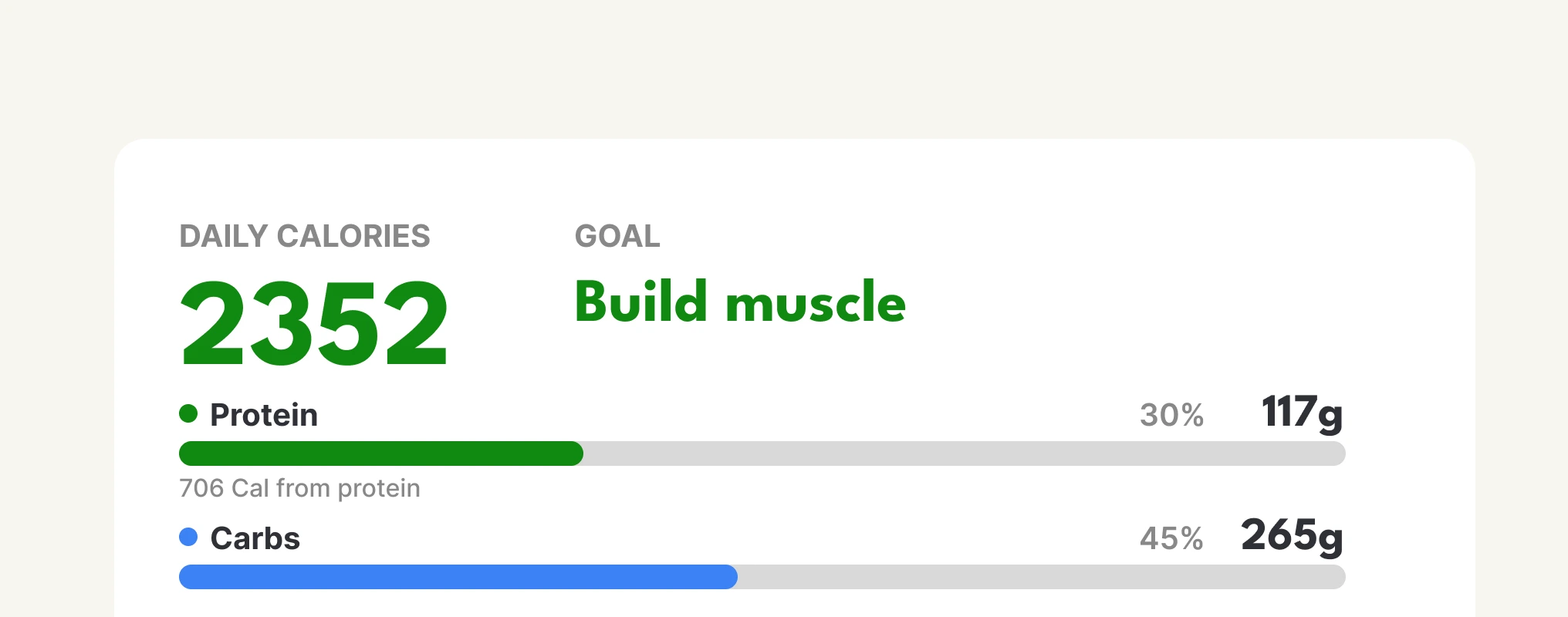
Find your ideal protein, carb, and fat targets based on your goals. Whether you're cutting, bulking, or maintaining, get a macro split tailored to you.
Raw bacon contains around 417 calories per 100g. Pan-fried bacon is more calorie-dense at around 548 calories per 100g as water is driven off during cooking. A typical serving of 2 cooked strips (about 16g) contains around 88 calories. Canadian back bacon is much leaner at around 185 calories per 100g cooked with 21g of protein, making it a significantly lower-calorie alternative.
Pork tenderloin is the leanest cut at just 109 calories per 100g raw and 2.6g of fat per 100g, making it one of the leanest meats of any animal. Pork sirloin chop is also very lean at 148 calories per 100g raw. Roasted pork tenderloin delivers around 26g of protein per 100g at just 143 calories, making it an excellent high-protein, low-fat choice.
A raw pork loin chop contains approximately 172 calories per 100g with 9.7g of fat. Grilled, it contains around 211 calories per 100g with 29.4g of protein. A typical 113g raw chop contains about 194 calories. Trimming visible fat before cooking can reduce calories meaningfully. Sirloin chops are leaner at around 148 calories per 100g raw.
Pork spare ribs are among the fattiest pork cuts at around 297 calories per 100g raw and 397 calories per 100g braised. Baby back ribs are slightly leaner at 246 calories per 100g raw and 292 calories per 100g roasted. A typical 3oz (85g) serving of braised spare ribs contains around 337 calories. BBQ sauce adds further calories on top.
Yes, raw pork belly contains approximately 518 calories per 100g with 53g of fat, making it one of the fattiest mainstream pork products. Braised pork belly is around 395 calories per 100g as some fat renders off. A typical 3oz (85g) serving of braised pork belly contains around 336 calories. The majority of calories come from fat.
Roasted fresh ham contains approximately 163 calories per 100g with 21.2g of protein. Canned cured ham is lower at around 116 calories per 100g but very high in sodium at 1304mg per 100g. A standard 3oz (85g) serving of roasted ham contains about 139 calories. Freshly roasted pork leg is the best choice for the lowest sodium option.
Raw pork sausages contain around 339 calories per 100g with 30.7g of fat. Cooked they are around 366 calories per 100g. A standard 2-link serving (about 45g cooked) contains approximately 165 calories. Sausages are also high in sodium at around 1014mg per 100g cooked. Chorizo is even more calorie-dense at around 455 calories per 100g raw.
Prosciutto contains approximately 215 calories per 100g with 28.3g of protein and 11g of fat. A standard 1oz (28g) serving contains around 60 calories. It is relatively lean for a cured meat but very high in sodium at around 2457mg per 100g. A couple of thin slices per serving adds significant flavour without many calories.
Yes, pork tenderloin is very comparable to skinless chicken breast. Roasted pork tenderloin contains approximately 143 calories per 100g with 26.2g of protein and 3.5g of fat. It can be substituted for chicken breast in most recipes with very similar calorie and macro outcomes. It is sometimes described as the other white meat precisely because of this nutritional similarity.
Raw pork chorizo contains approximately 455 calories per 100g with 40.9g of fat. Cooked chorizo is around 387 calories per 100g. A standard 2oz (56g) serving of cooked chorizo contains approximately 217 calories with 13.5g of protein. Chorizo is best used as a flavour ingredient in small quantities rather than a main protein source.
Regular streaky bacon is cut from the fatty pork belly at around 548 calories per 100g cooked. Canadian back bacon is cut from the lean pork loin at around 185 calories per 100g cooked. Back bacon is significantly higher in protein relative to fat. If you enjoy bacon flavour but want fewer calories, back bacon is the clear nutritional choice.
Plain slow-cooked pulled pork from the shoulder contains approximately 240 calories per 100g with 23g of protein. A typical 3oz (85g) serving contains around 204 calories. BBQ sauce adds 50 to 100 calories per two tablespoons. Restaurant pulled pork sandwiches often total 500 to 700 calories once the bun, sauce, and coleslaw are included.
Pork rinds are zero carbohydrate and very high in protein at around 61.3g per 100g, making them popular on ketogenic diets. However, they are high in calories at around 544 calories per 100g and high in saturated fat and sodium. A 1oz (28g) serving contains approximately 152 calories with 17g of protein. Portion control matters even on a low-carb diet.
Pork salami contains approximately 425 calories per 100g with 22.6g of protein and 36g of fat. A standard 3-slice (30g) serving contains around 128 calories. Salami is also high in sodium at around 1890mg per 100g. It is best eaten in small quantities as a flavour addition rather than a main protein source.
Raw pork shoulder contains approximately 216 calories per 100g with 16.3g of fat. Braised pork shoulder contains around 250 calories per 100g with 24.8g of protein. A typical 3oz (85g) serving of braised shoulder contains around 213 calories. It is the standard cut for pulled pork with significantly more flavour than lean cuts at the cost of higher fat content.
Yes, different methods expel different amounts of fat and water. Grilling and roasting cause more fat to drip away than braising. For ground pork and sausages, draining cooked fat can reduce calories by 10 to 20%. Cooking reduces weight as moisture evaporates, making cooked pork appear more calorie-dense per 100g than raw, even though total calories have not increased proportionally.
A standard pork hot dog (frank) contains approximately 333 calories per 100g with 11.4g of protein and 30.6g of fat. A single 57g frank contains around 190 calories. The bun adds another 120 to 150 calories, and condiments add 20 to 60 more. Pork hot dogs are also high in sodium at around 917mg per 100g.
Raw pork liver contains approximately 134 calories per 100g with 21.4g of protein and 3.7g of fat. Braised pork liver contains around 165 calories per 100g with 25.9g of protein. Like beef liver, it is exceptionally nutrient-dense with very high levels of vitamin B12, vitamin A, iron, and zinc. Eating it more than once or twice a week is not recommended due to its very high vitamin A content.
Pancetta is Italian cured pork belly at approximately 425 calories per 100g with 39.6g of fat, similar to raw streaky bacon at 417 calories per 100g. It is used more as a flavouring ingredient than a standalone food. Its sodium content is high at around 1697mg per 100g. Because it is used in small quantities, its calorie contribution to a dish is usually modest.
Baby back ribs are leaner: raw baby back ribs contain around 246 calories per 100g compared to 297 calories per 100g for spare ribs. Roasted baby back ribs contain around 292 calories per 100g, while braised spare ribs contain approximately 397 calories per 100g. Baby back ribs come from near the backbone and have less fat, while spare ribs come from lower near the belly and are fattier and more flavourful.